 Bellingham Siding
 Roofing in Sudden Valley Comes With Its Own Set of Problems
Sudden Valley sits above Lake Whatcom in a heavily wooded pocket of Whatcom County, and that setting is exactly what makes roofs here behave differently than roofs on an open lot closer to downtown Bellingham. Mature tree canopy means more shade, more falling debris, and roof surfaces that stay damp long after a storm has passed. Add in the marine air moving up from Bellingham Bay and a wet season that can stretch from October well into spring, and you've got a recipe for moss, algae streaking, and slow moisture intrusion that a lot of homeowners don't notice until it's already inside the attic.
We're a Bellingham-based crew, and Sudden Valley is one of the neighborhoods we're in regularly. That matters more than it sounds like it should — a roof replacement here isn't quite the same job as one on a treeless lot in a newer subdivision, and knowing that going in changes how we bid it, schedule it, and build it.
What Bellingham's Climate Actually Does to a Roof
Three things drive most of the roof failures we see in this part of Whatcom County, and Sudden Valley gets a heavier dose of all three because of the tree cover and lake-adjacent humidity.
Salt Air and Coastal Moisture
Bellingham sits on Puget Sound, and the marine air that rolls inland carries moisture and salt content that accelerates corrosion on exposed metal — flashing, fasteners, vents, gutters. Cheap or under-spec metal components rust and fail years before the shingles around them do, which is a common cause of leaks that look like "the roof failed" when really it was one flashing detail.
Driving Rain
Our rain doesn't fall straight down very often. Wind-driven rain off the Sound and up through the valley pushes water sideways and up under laps, ridges, and anywhere flashing isn't sealed correctly. A roof that would be fine in a drier, calmer climate can leak here simply because the underlayment and flashing weren't detailed for wind-driven exposure.
Moss Season
Shade plus moisture plus organic debris from overhanging trees is a moss factory. Sudden Valley's wooded lots see this more than most Bellingham neighborhoods. Moss isn't just cosmetic — its root structure lifts shingle edges, holds water against the roof deck, and shortens the life of the roofing material by years if it's left unmanaged.
Signs a Sudden Valley Roof Needs Replacement, Not Another Repair
Repair makes sense when a roof has isolated damage and years of usable life left. Replacement is the honest call when the roofing material itself is worn out system-wide. Here's how we tell the difference on a home like yours.
- Granule loss heavy enough that you can see bare asphalt on multiple slopes, not just one spot
- Shingles that are curling, cupping, or cracking across a wide area rather than a single section
- Moss and moss staining that keeps coming back within a season or two of cleaning
- Soft or spongy decking felt underfoot when walking the roof, a sign moisture has reached the sheathing
- Daylight visible through the roof deck from inside the attic
- Repeated leaks in different spots each year rather than one recurring problem
- A roof at or past the manufacturer's rated lifespan for its material and exposure
If you're only seeing one or two of these, a repair or a targeted moss treatment may be the smarter spend. If several apply at once, patchwork repairs usually end up costing more over a few years than a properly planned replacement.
What a Correct Roof Replacement Actually Involves
A roof replacement is more than swapping old shingles for new ones. In a shaded, wet-climate setting like Sudden Valley, the details underneath the visible surface are what determine whether the new roof lasts.
Tear-Off and Deck Inspection
We remove the old roofing down to the deck rather than layering over it. This is the only point in the job where hidden rot, soft sheathing, or past water damage becomes visible — and it needs to be fixed before anything new goes down, not covered up.
Underlayment
Given how much wind-driven rain and standing moisture this area sees, we don't treat underlayment as an afterthought. Ice-and-water shield or high-quality synthetic underlayment at eaves, valleys, and penetrations is what actually keeps water out when wind pushes it sideways under the shingle laps.
Flashing
Every place the roof meets a wall, chimney, skylight, or vent is a potential leak point. New flashing, properly lapped and sealed, is non-negotiable on a replacement — reusing old flashing to save time is one of the most common shortcuts that leads to callbacks.
Ventilation
Shaded, moisture-heavy roofs need airflow to dry out. Balanced intake and exhaust ventilation keeps the deck from staying damp underneath the shingles, which directly affects both moss growth and how long the new roof will last.
Field Installation
Correct nailing pattern, proper exposure, and manufacturer-spec fastening — this is where corners get cut on rushed jobs and where a roof either meets its warranty terms or quietly voids them.
Choosing a Roofing Material for a Shaded, Wet Lot
Not every roofing material handles shade and moss pressure the same way. Here's how the common options compare for a Sudden Valley setting specifically.
| Material | Moss Resistance | Typical Lifespan Here | Best For |
|---|---|---|---|
| Standard 3-tab asphalt | Low — moss takes hold quickly under tree cover | 15–20 years | Budget-driven projects with active moss maintenance |
| Architectural (dimensional) asphalt | Moderate, better with algae-resistant granules | 25–30 years | Most Sudden Valley homes — good balance of cost and durability |
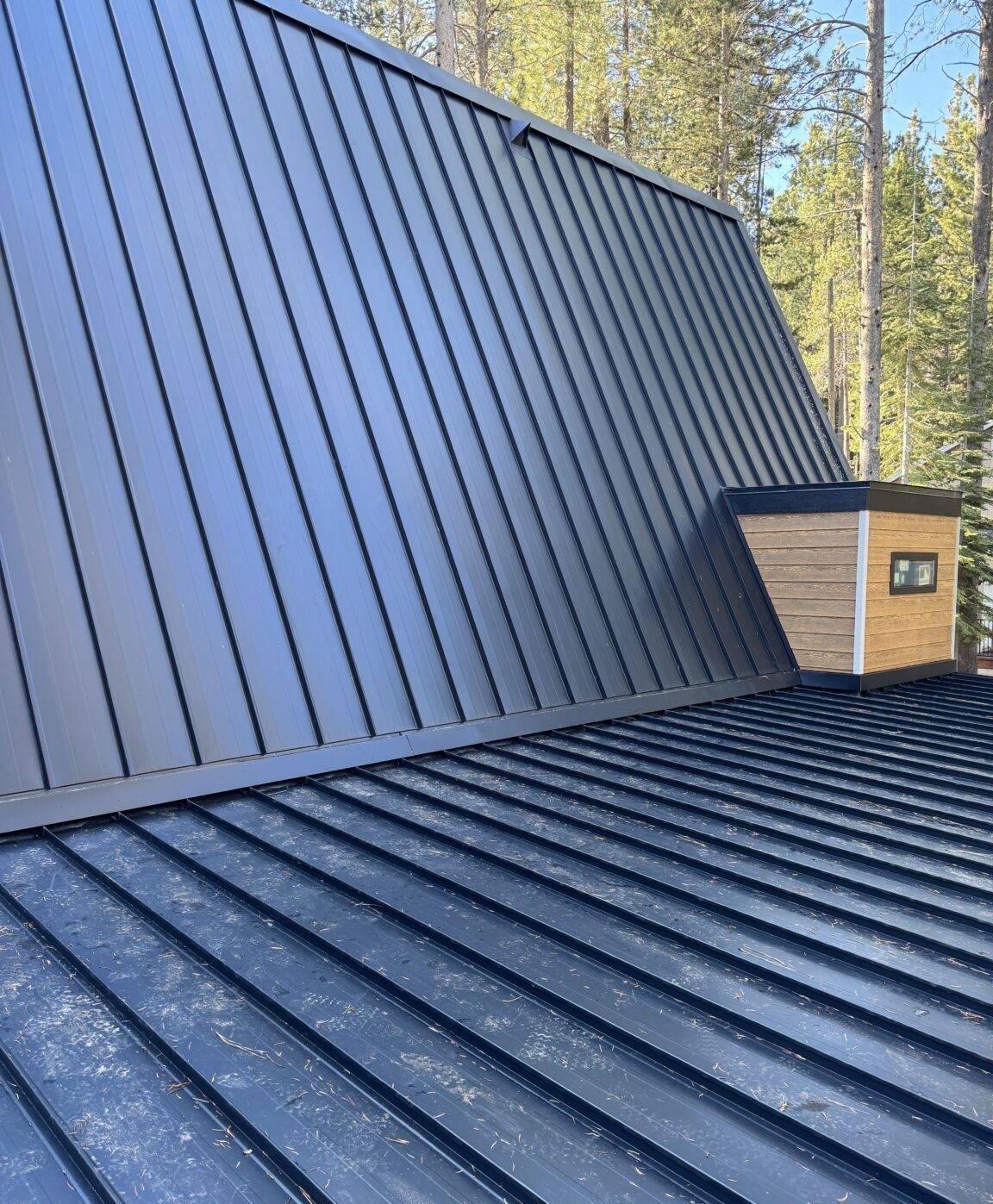
| Metal roofing | High — moss struggles to root on a hard, smooth surface | 40–50+ years | Heavily shaded lots or owners planning to stay long-term |
| Cedar shake | Low without diligent upkeep | 20–30 years with maintenance | Owners committed to regular cleaning and treatment |
We install algae-resistant shingle lines as our standard recommendation for shaded lots like most of Sudden Valley, not because other products are bad, but because the moisture and organic debris here punish anything without that added resistance. On the heaviest tree cover, metal earns a serious look purely on the maintenance math — fewer moss treatments, longer intervals between replacements.
How We Run a Sudden Valley Roof Replacement
- On-site assessment — we walk the roof, check the attic from inside, and look at tree exposure, drainage, and existing flashing before quoting anything.
- Written estimate — material options, scope, and a clear price, no vague allowances buried in fine print.
- Scheduling around weather and access — we plan around Bellingham's wet stretches and account for tree-lined driveways and tighter lot access common in Sudden Valley.
- Tear-off and deck repair — old roofing removed, any damaged sheathing replaced and documented before covering it up.
- Underlayment, flashing, and ventilation installed to spec — the parts of the job that determine whether it holds up.
- Final walkthrough — we go over the finished roof with you before we consider the job done.
Why a Crew That Already Works Sudden Valley Is Worth Choosing
Sudden Valley has narrower, tree-lined access roads, sloped lots, and in many cases HOA architectural guidelines that affect exterior work. A crew unfamiliar with the neighborhood loses time figuring out staging, dumpster placement, and access — time that shows up in your final bill or your project timeline. We already know how to stage equipment on these lots, how to work around overhanging trees safely, and what the local permitting and HOA process typically requires before work starts.
Local also means accountability. We're not driving in from out of the area for one job and disappearing — if a flashing detail needs a second look after the next big rain, we're a short drive away, not a phone number that stops answering once final payment clears.
After the Replacement: Keeping Moss From Coming Back
A new roof in a shaded Sudden Valley setting still needs some ongoing attention. A few habits go a long way toward protecting the investment:
- Keep overhanging branches trimmed back to reduce shade and debris buildup on the roof surface
- Clear gutters and valleys at least twice a year, more often if you're under heavy tree cover
- Address moss at the first sign of it rather than waiting for it to spread
- Have flashing and penetrations checked periodically, especially after major windstorms
- Avoid pressure washing shingles — it strips granules and shortens the roof's life
None of this replaces a properly built roof, but it extends the life of one considerably in this climate.
Get a Straight Answer on Your Roof
If you're weighing repair versus replacement, or you just want an honest read on where your Sudden Valley roof stands, we're glad to come take a look. The estimate is free, there's no pressure attached to it, and you'll get a straight answer about what your roof actually needs — use the form below to get started.