 Bellingham Siding
 Window Installation Built for Lynden's Weather
Lynden sits inland from Bellingham Bay, but the marine-influenced weather that defines Whatcom County doesn't stop at the city limits. Homes here still deal with driving rain that comes in sideways during winter storms, long stretches of damp, overcast days, and the kind of persistent moisture that gives moss and algae a season that runs most of the year instead of a few weeks. Windows are one of the first places that weather finds a way in. A window that's slightly out of level, under-flashed, or sealed with the wrong product will let water track behind the trim long before anyone notices a leak inside.
Window installation in a climate like this isn't just about picking a good window off a shelf. It's about how the window is integrated into the wall — the flashing, the sealants, the fit against the siding and house wrap — so that wind-driven rain sheds away from the opening instead of finding a path inward. That's the part of the job that separates a window that performs for twenty-plus years from one that starts showing rot or fogged glass in five.
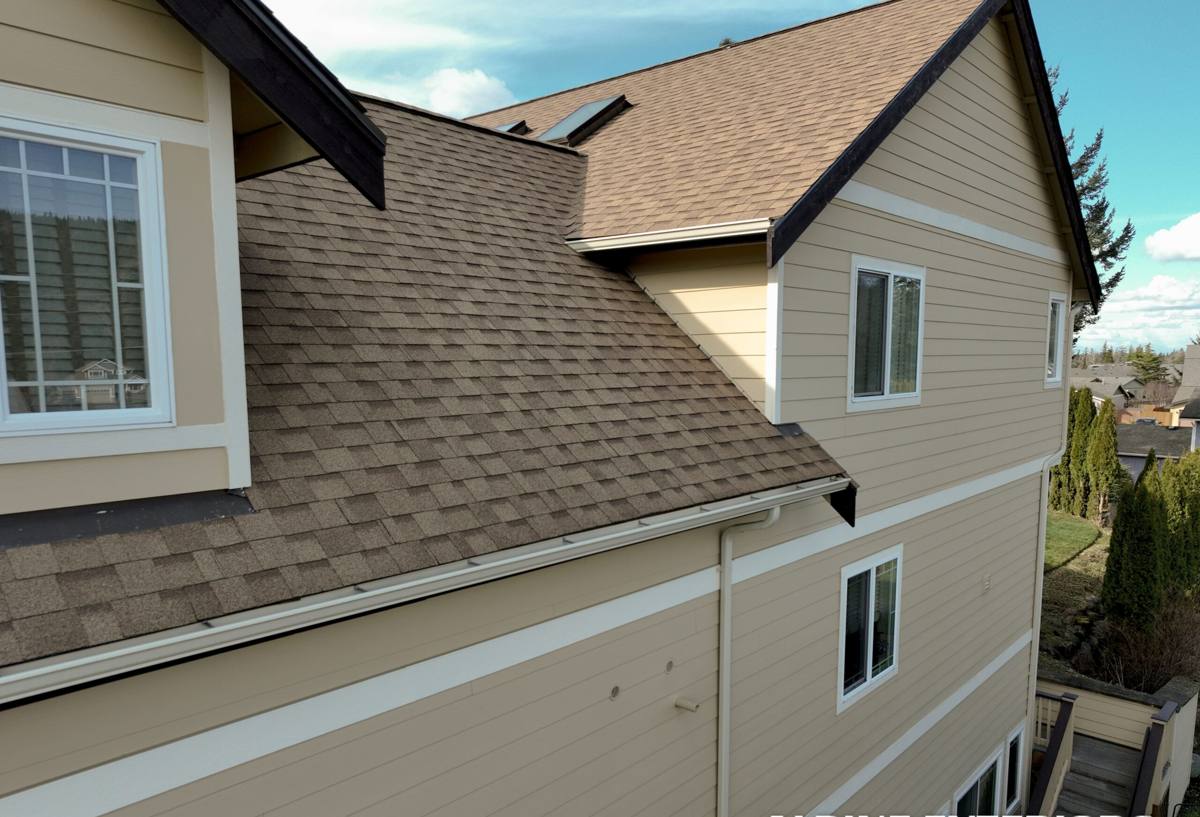
How to Tell Your Windows Are Past Their Prime
Most homeowners don't replace windows because they woke up wanting new ones — they replace them because something started bothering them. In Lynden, the signs tend to show up as moisture problems before they show up as drafts.
- Fogging or a visible haze between panes — the sealed gas fill has failed and can't be repaired, only replaced
- Soft or discolored wood on the sill, jamb, or exterior trim around the frame
- Visible daylight or a whistling sound around the frame during windstorms
- Windows that are difficult to open, close, or lock, often from a frame that's swollen or warped
- Condensation forming on the inside of the glass regularly, even in normal weather
- Rising heating bills without a clear cause elsewhere in the home
- Visible mold or mildew on the interior trim, especially on north-facing rooms
Any one of these on its own might not mean full replacement. Several together, especially moisture-related ones, usually point to a frame or flashing problem that a new sash or storm window won't fix.
Full-Frame Replacement vs. Insert Replacement
There are two basic approaches to replacing a window, and the right one depends on the condition of what's already there — not just personal preference.
| Approach | What It Involves | Best For |
|---|---|---|
| Insert (Pocket) Replacement | New window fits inside the existing frame; original frame, trim, and exterior flashing stay in place | Frames that are square, dry, and structurally sound — a faster, less invasive job |
| Full-Frame Replacement | Old window and frame are removed down to the rough opening; new flashing, sill pan, and frame are installed fresh | Frames with rot, water damage, out-of-square openings, or when siding is already being opened up |
Insert replacement is often the right call and costs less, but it only works if the existing frame is genuinely sound. Installing a new window into a frame that already has hidden rot or a failed sill pan just seals the problem behind a nicer window. Part of a proper estimate is checking the frame itself, not just measuring for glass.
Why This Decision Matters More in Wet Climates
In a drier climate, a marginal frame might last years longer than it would here. With Whatcom County's rain volume, a compromised sill or jamb has less time to cause real damage before it needs attention. We'd rather tell you upfront that a window needs full-frame treatment than install an insert we know won't hold up.
What a Correct Window Installation Actually Involves
The window unit itself gets most of the attention when homeowners shop, but the installation details determine whether that window performs for its full lifespan.
Flashing and Water Management
Every opening needs a sill pan or sloped flashing at the bottom so any water that gets past the window sheds back outside instead of pooling on the sill. Flashing tape needs to integrate correctly with the house wrap above and below the opening — installed in the wrong order (shingle-lapped backward), it can actually funnel water into the wall instead of keeping it out. This sequencing is where a lot of poor installations go wrong, and it's invisible once the trim and siding go back on.
Air Sealing and Insulation
The gap between the window frame and the rough opening needs to be filled with a material that stays flexible — typically a low-expansion foam or backer rod and sealant — rather than packed tight with fiberglass insulation alone, which does little to stop air movement. Over-filling with rigid foam can also bow the frame and cause operational problems.
Fastening and Alignment
A window that isn't shimmed level and square will bind, won't seal evenly against its own weatherstripping, and will put uneven stress on the sash over time. This is a slower part of the job to do right, and it's usually the difference between a window that operates smoothly for decades and one that starts sticking within a couple of years.
Choosing Windows That Hold Up in Whatcom County
There's no single "right" window for every home, but a few factors matter more here than they would in a drier, milder climate.
Frame Material
Vinyl frames are common and cost-effective, and quality has improved a lot — look for multi-chambered frames with welded (not just mechanically joined) corners, which resist water intrusion better at the seams. Fiberglass and composite frames cost more but move less with temperature swings and hold paint or finish longer if you want a non-white exterior. Wood-clad windows offer a traditional look but the exposed wood interior needs to stay genuinely dry, which means the installation quality matters even more than usual.
Glass and Glazing
Double-pane with a low-E coating and argon fill is the standard baseline for this region and performs well for most homes. Triple-pane adds cost and weight for a modest efficiency gain — it's worth it for north-facing rooms or homes right up against prevailing wind, but it's not automatically the better choice for every opening. Whatever the glass package, the weatherstripping and lock mechanism matter just as much for keeping wind-driven rain from testing the seal during a real storm.
Our Installation Process
- On-site assessment — we look at each opening individually, not just take measurements, and check for existing rot or flashing problems before quoting
- Product selection — we walk through frame material, glazing, and grille options based on the home's exposure and your budget, no pressure toward a specific brand
- Removal — old units come out carefully to protect the surrounding siding and trim, especially on original openings we haven't touched before
- Inspection of the opening — this is the point where a frame problem gets caught before it's sealed behind a new window
- Flashing and sill pan installation — sequenced correctly with the existing house wrap so water sheds outward
- Setting, shimming, and fastening the new window — leveled and squared before anything is sealed
- Insulating and air sealing the gap — flexible material, not overpacked
- Exterior sealant and trim finish — weather-rated sealant at all the joints that see direct rain exposure
- Final operation check — every window is opened, closed, and locked before we call the job done
Why a Crew That Works Lynden Regularly Matters
Window installation quality isn't really about brand loyalty — it's about whether the crew treats flashing sequence and air sealing as seriously as the glass itself. A crew that regularly works Whatcom County homes has already seen what happens when wind-driven rain finds a gap, and installs with that in mind by default rather than as an afterthought.
- Familiarity with the range of siding types common in the area, so tie-in details are handled correctly the first time
- An understanding of how the local rain pattern stresses flashing details differently than a drier climate would
- Established relationships with window suppliers, which usually means realistic lead times instead of guesses
- A track record you can actually check with past local customers, not just online reviews
- No incentive to rush a job when the next one is across town, not across the state
Maintenance After Installation
A correctly installed window still needs some upkeep to get its full lifespan, especially with the moss and algae growth that's common here. Rinse frames and tracks periodically to keep organic growth from building up in the weep holes at the bottom of the frame — clogged weep holes are one of the most common causes of water sitting where it shouldn't. Check exterior caulking annually, since sealant is the one part of an otherwise durable window that does wear out over time and is a quick, inexpensive fix when caught early.
Cost Factors
| Factor | How It Affects Cost |
|---|---|
| Insert vs. full-frame replacement | Full-frame costs more due to added labor, flashing, and trim work |
| Frame material | Vinyl is generally the most affordable; fiberglass and wood-clad cost more |
| Glazing package | Triple-pane and specialty coatings add cost over standard double-pane low-E |
| Number and size of openings | Larger or custom-sized windows cost more than standard stock sizes |
| Condition of the existing opening | Hidden rot or flashing repair adds labor once the wall is opened up |
We give a firm, itemized quote after seeing the actual openings — not a ballpark over the phone — because the condition of what's already there affects the price as much as the window itself does.
If your windows in Lynden are showing their age or you're planning ahead for a remodel, we're happy to take a look and give you a straightforward, no-pressure estimate. Use the form below to get started.