 Bellingham Siding
 Metal Roofing for Lynden Homes
Lynden sits inland from Bellingham but still sees the full range of what Whatcom County weather throws at a roof: long stretches of driving rain off the Pacific, salt-laden air that drifts in with coastal weather systems, and a moss season that can run nearly year-round on shaded, north-facing slopes. A roof out here isn't just decoration — it's the single biggest factor in whether a home stays dry, efficient, and low-maintenance for the next several decades. Metal roofing has become one of the most requested upgrades we install in this area, and for good reason: done correctly, it handles this climate better than most alternatives.
This page covers what a metal roof actually needs to do in Lynden's conditions, what a correct installation looks like, and how our process works when we take on a project here.
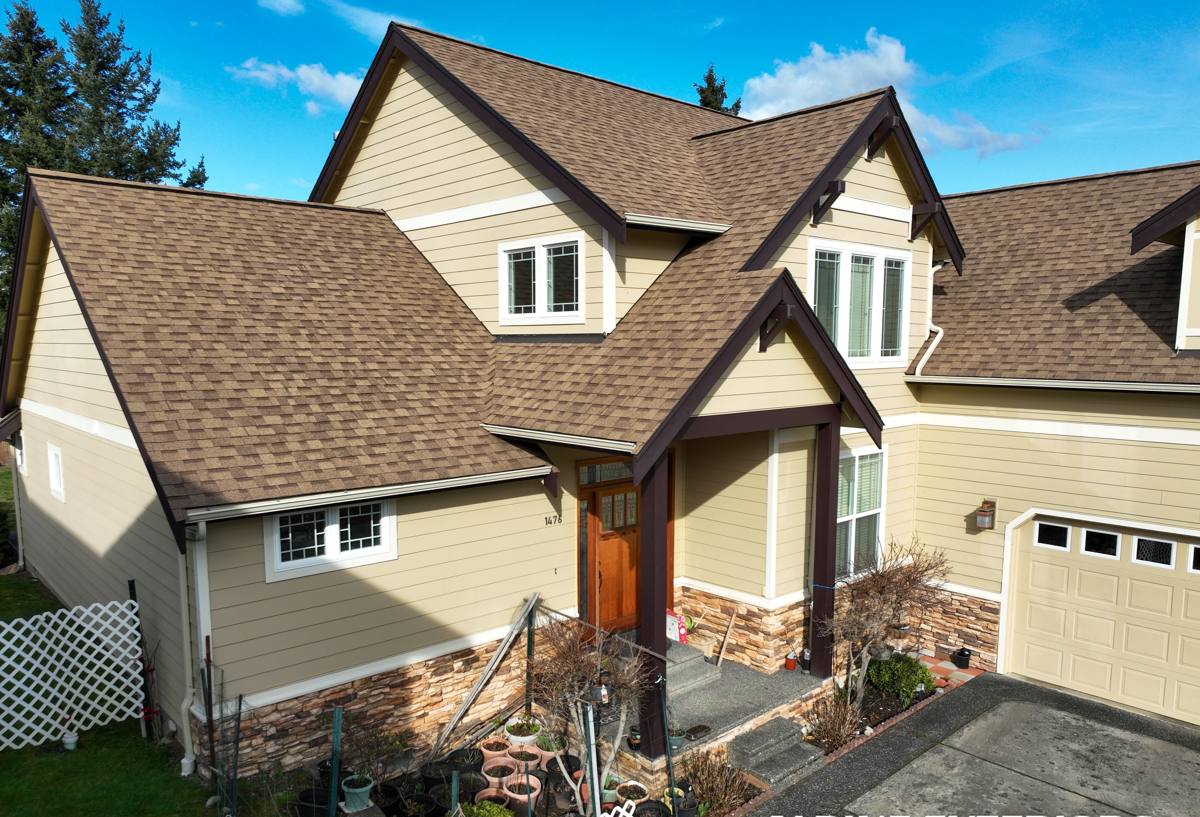
What This Climate Actually Does to a Roof
It helps to understand the specific stresses a roof faces in this part of Whatcom County before talking about materials or installation details.
Driving Rain and Wind-Driven Moisture
Pacific storm systems don't just drop rain straight down here — wind pushes it sideways, up under eaves, and into any gap in flashing or underlayment. A roof that only sheds water well in a calm, straight-down rain isn't built for this region. Every seam, valley, and penetration has to be detailed to resist wind-driven moisture, not just gravity.
Salt Air and Corrosion
Coastal moisture carries salt further inland than most homeowners expect, and that salt accelerates corrosion on any exposed metal — fasteners, flashing, gutters, even panel edges if the coating is thin or damaged. This is one of the most common reasons we see premature rust on roofs that weren't specified for this region, even when the metal itself was a reasonable product.
Moss and Prolonged Moisture Contact
Whatcom County's moss season is long because the conditions that grow moss — shade, moisture, and mild temperatures — persist for most of the year. Moss isn't just cosmetic. Where it takes hold, it holds water against the roof surface far longer than the surface would otherwise stay wet, which accelerates wear on any roofing material and can work its way under improperly lapped seams or aging shingles.
Why Metal Holds Up Better Here
Metal roofing addresses these three stresses directly when it's specified and installed correctly:
- Continuous panel runs and interlocking seams give wind-driven rain far fewer entry points than a shingled or lapped surface.
- Modern factory finishes (properly specified for coastal exposure) resist salt-driven corrosion far longer than bare or poorly coated metal.
- A smooth, hard, non-porous surface gives moss much less to grip, and steep or well-ventilated roofs shed the moisture moss needs to establish.
- Metal sheds snow and ice load efficiently, which matters in occasional cold snaps even in a generally mild coastal climate.
None of that means metal is maintenance-free or automatically right for every home — it means that, of the common roofing materials, it's the one best matched to what this specific climate does to a roof over time.
Metal Roofing Options for Lynden Homes
Not all metal roofing is the same, and the right choice depends on the home's roofline, budget, and how visible the roof is from the street. Here's how the common options compare for this climate specifically:
| System | Best For | Coastal/Moisture Performance | Trade-offs |
|---|---|---|---|
| Standing seam (concealed fastener) | Most roof shapes, especially where longevity matters most | Excellent — no exposed fastener heads to corrode, strong seam performance against wind-driven rain | Higher upfront cost than exposed-fastener panels |
| Exposed-fastener panel | Budget-conscious projects, outbuildings, simpler rooflines | Good if fasteners are correctly specified and replaced/maintained over time | Fastener washers age and need periodic inspection; more potential leak points |
| Stone-coated steel | Homes wanting a traditional shingle or tile look | Very good — coating protects the steel and adds texture that sheds water well | More components at ridges and valleys to detail correctly |
For most Lynden homes we work on, standing seam is the system we recommend first, specifically because it minimizes the exposed metal that salt air and driving rain attack hardest. That said, an honest assessment of your roofline and budget sometimes points to one of the other systems, and we'll say so.
What a Correct Installation Actually Involves
Metal roofing gets a reputation for leaks almost exclusively when it's installed wrong, not because the material itself fails. The details matter more here than with almost any other roofing system.
Underlayment
A high-temperature, self-adhered synthetic underlayment underneath the panels is non-negotiable in this climate. It's the backup layer that protects the deck if wind-driven rain ever gets past the panel seams, and given how much sideways rain this region sees, that backup layer earns its keep.
Flashing and Penetrations
Valleys, chimneys, vent stacks, and wall-to-roof transitions are where the overwhelming majority of metal roof leaks originate — never the flat field of the panels. Correct flashing detail at every one of these points, sized and lapped for wind-driven rain rather than just straight-down water, is what actually keeps a metal roof dry over decades.
Fasteners and Hardware
In a salt-exposed climate, fastener quality is not a place to cut corners. Mismatched or undersized fasteners corrode faster than the panels around them, and a corroding fastener is one of the earliest visible failure points on a poorly specified metal roof.
Ventilation
Metal roofs perform best with proper attic or roof-deck ventilation. Without it, trapped moisture can condense against the underside of the deck regardless of how good the exterior weatherproofing is — a problem that has nothing to do with the metal itself and everything to do with airflow.
Our Process for Lynden Projects
We keep the process straightforward and transparent from the first visit to final walkthrough:
- On-site assessment. We look at your existing roof, deck condition, ventilation, and any problem areas — moss buildup, past leak history, flashing condition — before recommending anything.
- Honest system recommendation. Based on your roofline and budget, we'll recommend the metal system that makes sense, and explain the trade-offs of the alternatives.
- Written estimate. Clear scope, materials, and pricing before any work begins — no surprise change orders for things we should have caught upfront.
- Deck and underlayment prep. We address any deck damage and install underlayment rated for this climate before a single panel goes on.
- Installation. Panels, flashing, and fasteners installed to manufacturer spec and matched to coastal exposure conditions.
- Final walkthrough. We go over the finished roof with you, including what routine maintenance (if any) it'll need going forward.
Cost Factors for Metal Roofing in This Area
Metal roofing costs more upfront than asphalt shingles, but the comparison isn't apples to apples once you factor in lifespan and maintenance in this climate. Rather than quote a number that won't reflect your actual roof, here are the factors that move the price:
| Factor | Why It Matters Here |
|---|---|
| Roof complexity (valleys, dormers, penetrations) | Each detail is a potential wind-driven-rain entry point and adds labor to flash correctly |
| Panel system chosen | Standing seam runs higher than exposed-fastener panel due to labor and material |
| Existing deck condition | Moisture and moss exposure over the years can mean deck repair is needed before install |
| Coating and finish grade | Coastal-grade finishes cost more but resist salt-driven corrosion far longer |
| Tear-off vs. overlay | Full tear-off costs more but lets us inspect and correct the deck and ventilation underneath |
Maintaining a Metal Roof in a Moss-Prone Climate
A correctly installed metal roof needs far less upkeep than shingles, but "far less" isn't "none." A simple annual routine goes a long way here:
- Clear debris from valleys and gutters before the fall rains start, so water has a clear path off the roof.
- Check for early moss or algae growth on shaded slopes and remove it gently — don't pressure-wash a metal roof, which can damage the finish.
- Look at exposed fasteners (if your system has them) for early rust staining, which is easier and cheaper to address early.
- Confirm gutters and downspouts are directing water away from the foundation, especially during the heaviest winter rain stretches.
- After any significant windstorm, a quick visual check of flashing and seams is worth the ten minutes it takes.
Why a Crew That Already Works Lynden Matters
Metal roofing forgives almost nothing when it comes to installation quality — a roof that looks fine at closing and leaks two winters later is almost always a detailing problem, not a material problem. A crew that already works in Whatcom County has already worked through what wind-driven rain does to flashing details, what salt exposure does to fastener choices over years, and how aggressive the moss season actually gets in this specific area. That's not something you get from a general contractor working from a national spec sheet — it comes from doing this work, in this climate, repeatedly.
It also means straightforward answers instead of upsells. If your roofline and budget point toward exposed-fastener panels instead of standing seam, we'll say so. If your existing deck needs repair before a metal roof goes on, we'll show you why rather than just quoting around it.
If you're weighing a metal roof for your Lynden-area home, we're glad to walk the roof with you and give you a straight assessment — no pressure, no obligation. The estimate is free, and you'll walk away with a clear picture of what your roof actually needs.