 Bellingham Siding
 Deck Building in Happy Valley, Built for Whatcom County Weather
Happy Valley sits close enough to Bellingham Bay that salt air is part of daily life, and far enough into the Pacific Northwest that driving rain and a long moss season are just as much a factor. A deck built here has to handle all three at once: airborne salt that speeds up corrosion on fasteners and connectors, sideways rain that gets pushed under railings and against ledger boards, and months of damp shade that let moss and algae take hold on any surface that doesn't shed water well. A deck that would hold up fine in a dry inland climate can start showing problems within a couple of seasons here if it wasn't built with this specific combination of conditions in mind.
This page is about deck building specifically for Happy Valley homes — what the climate demands, what a properly built deck actually involves under the surface, and how we approach the job so it holds up rather than becoming a maintenance headache.
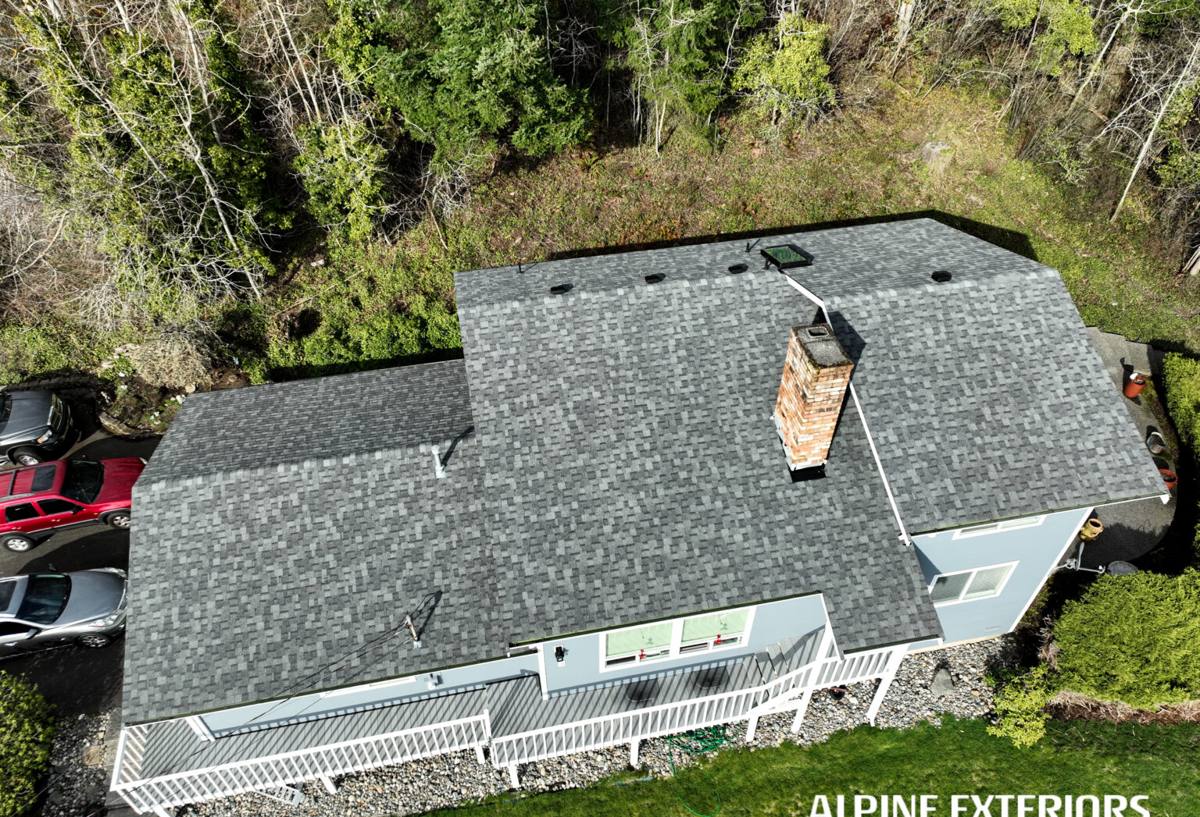
What Happy Valley Homes Actually Need From a Deck
Lot by lot, Happy Valley has a mix of mature tree cover, sloped yards, and homes close enough to the water to catch salt-laden wind off the bay. Those conditions show up in a few consistent ways:
- Shaded decks under trees stay damp longer after rain, which is exactly the condition moss and algae need to establish.
- Homes with more direct exposure to wind off the water see faster corrosion on exposed metal — screws, brackets, and railing hardware in particular.
- Sloped lots change how a deck needs to be framed and supported, and can affect drainage under and around the structure.
- Older homes may have existing decks attached with hardware or flashing that was never rated for this level of moisture exposure.
None of this means a deck can't be built well here — it means the design and material choices have to account for it from the start, not get patched in after the fact.
Choosing Decking Material for a Marine, High-Moisture Climate
There's no single "correct" decking material for every situation, but there are real trade-offs worth understanding before you decide. The table below reflects how each option typically performs under Bellingham's combination of moisture, shade, and salt air — not manufacturer marketing claims.
| Material | Moisture & Moss Behavior | Maintenance Burden | Typical Upfront Cost |
|---|---|---|---|
| Pressure-treated wood | Absorbs moisture, can trap it under surface coatings; needs regular sealing to resist rot and moss growth | Higher — annual cleaning and periodic re-sealing | Lower |
| Cedar | Naturally moisture-resistant but still needs sealing in shaded, damp spots to prevent graying and moss buildup | Moderate to higher | Moderate |
| Capped composite | Sheds water well, resists moss better than wood, but can stay slick in shaded areas without regular cleaning | Lower — periodic washing, no sealing | Moderate to higher |
| PVC / cellular decking | Doesn't absorb moisture at all, best resistance to moss and algae staining | Lowest — occasional washing | Highest |
For decks under tree cover or on the shadier, damp side of a Happy Valley lot, we tend to steer homeowners away from uncapped wood-composite blends and toward fully capped composite or PVC boards, simply because they don't give moss and algae the porous surface they need to take hold. Wood is still a good, honest choice when it's properly sealed and the owner is committed to a yearly maintenance routine — it just carries more upkeep in a shaded, wet climate than a lot of homeowners expect going in.
Fasteners and Hardware Matter as Much as the Decking
Salt air is hard on metal, and a deck is only as good as the connectors holding it together. We use stainless steel or heavy hot-dip galvanized fasteners and structural hardware rated for coastal and treated-lumber exposure, not standard interior-grade screws that will streak, corrode, and weaken well before the decking itself wears out.
Framing and Substructure: Where Decks Actually Fail First
Almost every deck failure we've been called out to inspect in this area starts below the surface, not on top of it. The decking boards get all the attention, but the framing is what determines whether a deck lasts fifteen years or forty.
Ledger Attachment and Flashing
Where a deck attaches to the house, proper flashing is what keeps driving rain from working its way behind the siding and into the rim joist. This is one of the most common points of hidden rot on older decks in wet climates, and it's invisible until the damage is already done.
Joist Protection
Joist tape or an equivalent moisture barrier on top of each joist keeps water from sitting in the screw holes and end grain where deck boards attach — a small detail that makes a real difference in how long the frame lasts under near-constant PNW moisture.
Footings and Post Bases
On sloped Happy Valley lots especially, footings need to be sized and placed correctly for the soil and drainage on site, with post bases that keep wood posts off standing water rather than sitting directly on grade.
Railings, Stairs, and Code Requirements
Railings and stairs are where safety code and climate durability meet. Height, baluster spacing, and stair geometry follow the building code adopted locally, and we build to those requirements as a floor, not a ceiling. On the durability side, railing posts and connections are a common weak point — they take direct weather exposure on all sides and see repeated stress from people leaning on them, so the hardware and attachment method matter more here than almost anywhere else on the structure.
Our Deck Building Process
1. On-Site Assessment
We walk the specific lot — sun exposure, tree cover, slope, drainage patterns, and proximity to prevailing wind and salt exposure — before recommending materials or a layout. A deck design that works well on an open, sunny lot isn't automatically right for a shaded, sloped one two streets over.
2. Design and Material Selection
We walk through the material trade-offs honestly, including maintenance expectations, so the decision fits your budget and how much upkeep you actually want to do, not just the look in a showroom sample.
3. Permitting
Deck projects in this area typically require a permit depending on size, height, and attachment to the home. We handle that process as part of the job so it's not left for the homeowner to sort out.
4. Construction
Framing, flashing, and structural work come first and get inspected before decking, railings, and finish work go on. We don't cover up structural work before it's been checked.
5. Final Walkthrough
Before we consider the job done, we walk the finished deck with you, cover basic care for whichever material was installed, and make sure everything meets both code and our own standards.
Living With a Deck Through Whatcom County's Moss Season
Even a well-built deck needs some seasonal attention in this climate. The goal of good construction is to reduce that burden, not eliminate it entirely — moss and moisture are a fact of life here regardless of material.
- Sweep leaves and debris off the deck surface regularly in fall, especially in shaded corners where they trap moisture.
- Rinse composite or PVC decking a few times a year to keep pollen and organic buildup from giving algae something to grow on.
- Check and re-seal wood decking on the schedule recommended for that product — skipping a year in this climate shows up fast.
- Inspect railing posts and stair connections annually for any looseness or corrosion at the hardware.
- Keep gutters and downspouts near the deck clear so runoff isn't dumping extra water onto or under the structure.
- Look underneath the deck once a year for any signs of standing water or soft wood around posts and footings.
Permits and Local Considerations in Whatcom County
Deck construction in and around Bellingham generally falls under local building permit requirements, with specifics depending on the deck's height, size, and whether it attaches to the home. Setback requirements can also come into play on smaller Happy Valley lots. We take care of the permit application and inspection scheduling as part of the build, so the project stays compliant without adding extra steps for the homeowner.
Why Hire a Crew That Already Works in Happy Valley
A deck builder who mainly works drier, inland projects can still build a structurally sound deck — but the material choices, flashing details, and hardware selection that matter most here come from having actually seen how decks in this specific area age over time. Working regularly in Happy Valley and the surrounding Bellingham neighborhoods means we've seen firsthand which details hold up against salt air and driving rain and which ones cause callbacks a few years down the road, and we build accordingly from day one rather than learning it the hard way on your project.
If you're planning a new deck or replacing one that's showing its age, we're happy to take a look and talk through what makes sense for your specific lot. Reach out for a free, no-pressure estimate using the form below.