 Bellingham Siding
 Custom Windows Built for York's Coastal Conditions
Homes in and around the York neighborhood sit close enough to the water and the weather patterns that roll off Bellingham Bay that windows take a beating most homeowners inland never have to think about. Salt-laden air corrodes hardware faster, driving rain finds every gap in an aging frame, and Whatcom County's long, damp moss season keeps wood and vinyl surfaces wet for weeks at a stretch. Replacing or installing custom windows here isn't just about picking a style you like from a catalog. It's about matching the window assembly, the flashing detail, and the frame material to a climate that punishes shortcuts.
We've worked on enough homes in this part of Bellingham to know which failure points show up again and again: rot at the bottom corners of wood-clad frames, fogged double-pane units where the seal gave out early, and stucco or siding transitions that were never properly flashed to begin with. A custom window job done right here addresses all of that at the same time it improves the way your home looks and performs.
What "Custom" Actually Means for a York Home
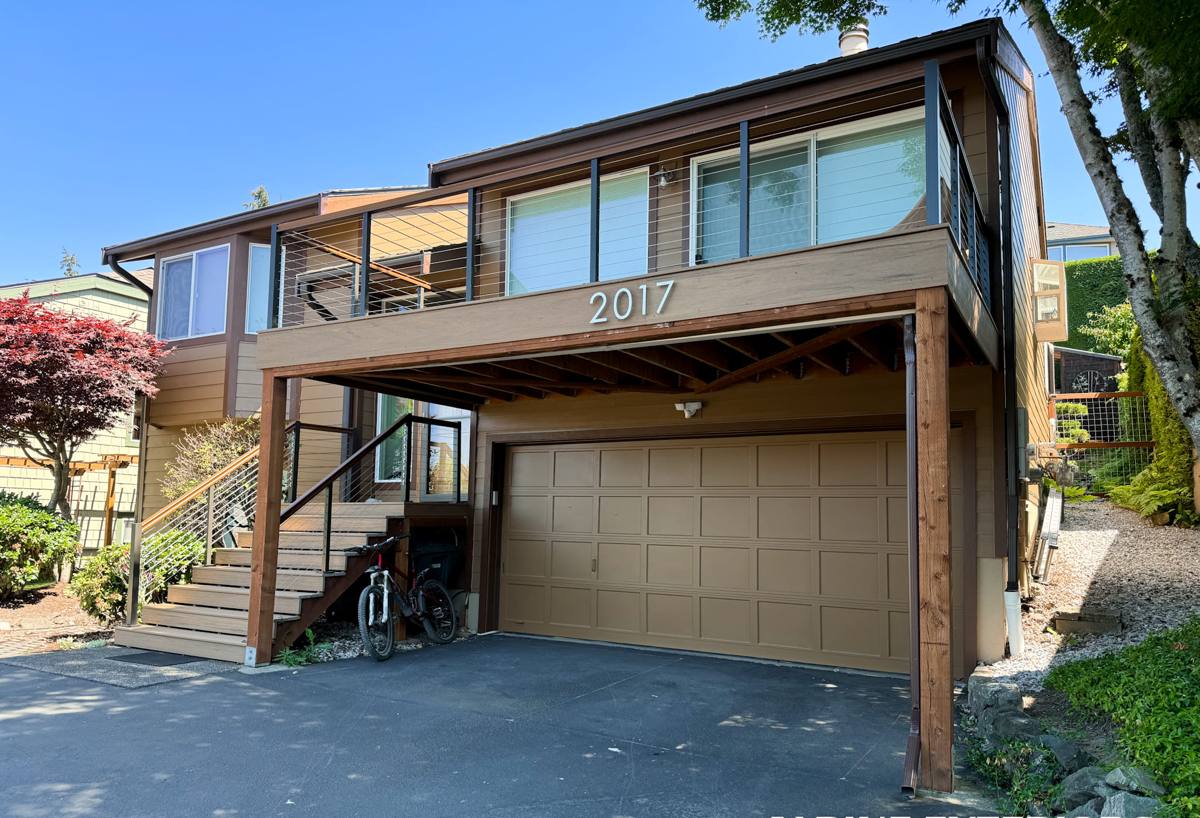
Custom doesn't have to mean exotic. For most York homes it means windows sized and detailed to fit openings that were never standard to begin with, especially in older housing stock where framing has settled or been altered over the years. It can also mean matching a specific architectural look, adding grille patterns that suit the home's era, or specifying glass packages that handle Bellingham's mix of grey, wet winters and bright summer glare.
Common Reasons York Homeowners Go Custom
- Original openings are out of square or non-standard, so off-the-shelf sizes won't seal properly
- Replacing an odd shape — arched, angled, or a large picture window flanked by smaller units
- Upgrading from single-pane or early double-pane to modern insulated glass without changing the exterior look
- Matching trim, muntin pattern, or frame color across an addition or renovated section
- Improving sound and thermal performance on a side of the house exposed to prevailing wind and rain
Materials and Glass: What Holds Up in This Climate
Whatcom County's combination of salt air near the water, near-constant moisture in the fall and winter, and moss growth on anything shaded and damp means material choice matters more here than in drier climates. We steer customers toward frame materials and glass packages based on how they actually perform over years of exposure, not just how they look on day one.
| Frame Material | Strengths in This Climate | Trade-Offs |
|---|---|---|
| Fiberglass | Dimensionally stable in wet-dry cycles, resists corrosion from salt air, low maintenance | Higher upfront cost than vinyl |
| Vinyl (quality multi-chamber) | Good value, no painting needed, decent weather sealing | Can expand/contract more in temperature swings; lower-end vinyl can warp |
| Wood-clad | Classic look, good insulator, works well for period-appropriate homes | Needs disciplined flashing and finish maintenance to keep moisture out of the wood core |
| Aluminum | Strong, slim sightlines for modern designs | Conducts cold and requires a thermal break to perform well here |
For glass, we generally recommend dual-pane units with a low-E coating and argon fill as the baseline for this area — it cuts heat loss during the long heating season and reduces glare and UV fading during summer. On walls that take direct wind-driven rain, we pay extra attention to the sill pan and weep system regardless of glass choice, because even the best window fails early if water gets behind it.
Why We're Selective About Certain Products
Some window lines on the market cut corners in ways that only show up after a few wet seasons — thinner-walled vinyl that distorts, glazing seals rated for milder climates, or cladding systems that trap moisture instead of shedding it. Our standard is to spec products with installation instructions and warranty structures that hold up to sustained coastal moisture exposure, not just a manufacturer's marketing claims. When we steer a customer away from a product, it's because we've seen how it performs in Pacific Northwest conditions specifically, not because of brand preference.
What a Correct Installation Involves
The window unit itself is often the easy part. Most window failures we get called out to inspect in this area trace back to installation details, not product defects. A correct job in York's climate includes:
- Opening inspection — checking the existing sill, jambs, and header for hidden rot or water damage before anything new goes in
- Proper flashing sequence — sill pan flashing installed first, then side flashing, then head flashing, layered so water always sheds outward and down, never behind the siding
- Air and water sealing — a continuous bead of quality sealant plus backer rod where needed, not just caulk smeared over gaps
- Insulation at the rough opening — low-expansion foam or batt insulation around the frame so there's no thermal gap or hidden air leak
- Correct shimming and fastening — window set plumb, level, and square, fastened per manufacturer spec so the frame doesn't rack over time
- Exterior trim and siding tie-in — trim and siding restored so water management continues past the window edge, not stopping short
Skipping or rushing any one of these steps is how a brand-new window ends up with rot in the wall cavity within a few years — invisible until the drywall or siding starts to show it.
Our Process for York Custom Window Projects
1. On-Site Assessment
We walk the exterior and interior of each opening, check for existing moisture damage, and measure precisely rather than assuming standard sizes. This is also when we talk through style, grille patterns, and glass options based on the direction the window faces and how exposed it is to weather.
2. Recommendation and Quote
You get a clear breakdown of frame material, glass package, and installation scope — no vague line items. We explain the reasoning behind each recommendation so you understand what you're paying for.
3. Precise Ordering
Custom sizes and configurations are ordered to exact measurements. We double-check specs before placing the order since remakes on custom units cost time neither of us wants to lose.
4. Installation and Flashing
Old units come out carefully to protect surrounding siding and trim wherever possible. New units go in following the flashing and sealing sequence above, with attention to tying into existing weather barriers correctly.
5. Final Check and Cleanup
We test operation, check seals, and confirm the exterior finish work is weathertight before we call the job done. Site cleanup is part of the job, not an afterthought.
Cost Factors Worth Understanding
Every custom window job prices differently based on real variables, not guesswork. Here's what actually moves the number:
| Factor | Why It Matters |
|---|---|
| Opening condition | Hidden rot or out-of-square framing adds carpentry time before the window can even go in |
| Frame material | Fiberglass and wood-clad cost more upfront than standard vinyl |
| Size and shape | Non-standard or oversized units cost more to manufacture and install |
| Glass package | Upgraded low-E coatings, tempered glass where code requires it, or sound-dampening glass add cost |
| Exterior tie-in complexity | Matching existing siding, stucco, or trim detail takes more labor than a simple swap |
| Number of openings | Doing multiple windows in one visit typically lowers the per-window labor cost |
We'd rather walk you through these factors on-site than quote a number over the phone that doesn't hold up once we see the actual opening.
Before You Hire: A Practical Checklist
Whether you go with us or another crew, these are the things worth confirming before custom windows go into a York-area home:
- Does the crew inspect the rough opening for rot before quoting, or just measure the visible frame?
- Is a proper sill pan and flashing sequence part of the written scope, not just "seal with caulk"?
- Are they specifying glass and frame materials suited to coastal, high-moisture conditions?
- Do they carry current licensing and insurance for exterior work in Washington?
- Will they show you the manufacturer's installation instructions if you ask?
- Is the warranty on both the product and the labor spelled out in writing?
Why Local Experience in York Matters
A crew that already works this part of Bellingham knows which wall orientations take the worst of the driving rain, how moss and moisture behave on north-facing exteriors here, and what kind of existing construction is common in the area's housing stock. That's not something you get from a national installer passing through on a one-off job. It shows up in the small decisions — how much attention goes into the flashing detail, which frame material gets recommended for a shaded, damp corner of the house, how the crew sequences work around Whatcom County's wet season instead of fighting it.
If you're weighing custom windows for a York-area home, we're glad to come take a look, walk you through what your specific openings need, and give you a straightforward, no-pressure estimate. Fill out the form below and we'll get in touch to schedule a time that works.