 Bellingham Siding
 Windows Built for Birchwood's Weather, Not Just Any Weather
Birchwood homes sit in a stretch of Whatcom County where the weather doesn't do subtle. Salt-laden air off the water works into metal hardware and fasteners over time. Driving rain comes in sideways during winter storms, testing every seam and flashing detail a window has. And the long stretch of gray, damp months that Bellingham is known for means moss and mildew get a real head start on any surface that holds moisture. A window that was installed correctly for a drier climate can still fail here — not because the window itself is bad, but because the installation didn't account for what this specific area throws at a house year-round.
When we talk about window installation in Birchwood, we're not just talking about swapping old glass for new. We're talking about a full assembly — window unit, flashing, sealant, insulation, and trim — that has to work together to keep water out and heat in, in a climate that gives it very little margin for error.
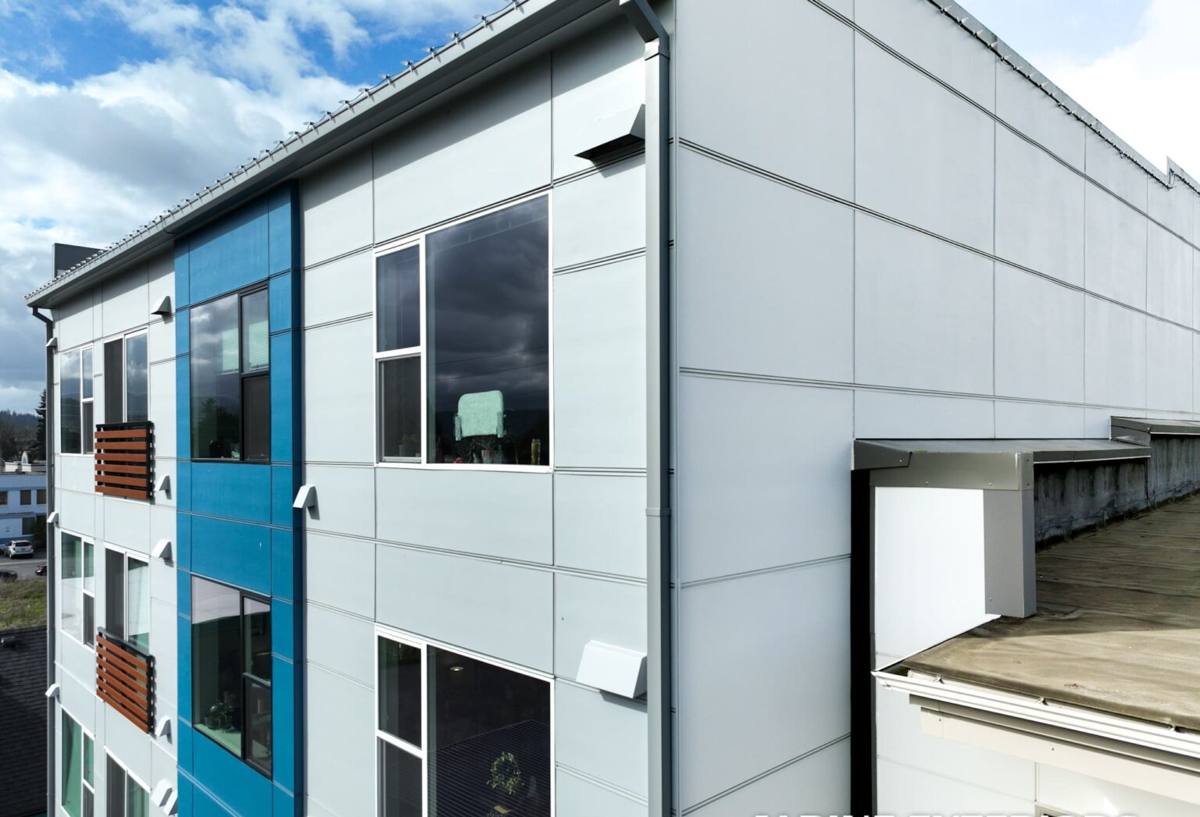
What a Correct Window Installation Actually Involves
A lot of window problems homeowners deal with years later trace back to shortcuts taken during installation, not defects in the window itself. Here's what needs to happen for the job to hold up under Whatcom County conditions.
Flashing and Water Management
This is the single most important part of the job in a wet climate. Every window opening needs a proper flashing sequence — sill pan flashing at the bottom to catch and direct any water that gets past the window, side flashing that laps correctly with the weather-resistive barrier, and head flashing at the top that sheds water outward instead of behind the siding. Done out of order, or with the wrong lap direction, water gets trapped instead of shed — and in a region with as much sustained rainfall as Bellingham gets, that mistake shows up as rot inside the wall, not as a visible leak you'd catch right away.
Insulation and Air Sealing
The gap between the window frame and the rough opening needs to be filled with the right material — typically a low-expansion foam or backer rod and sealant, not just stuffed with fiberglass. Overfilled gaps can bow the frame and cause the sash to operate poorly. Underfilled gaps leave a cold, drafty channel straight into the wall cavity. Either way, you end up with higher heating bills and, often, condensation problems on the interior trim during cold snaps.
Trim, Caulking, and Exterior Finish
The visible exterior trim and caulk lines are the last line of defense, not the first. They matter, but they're not a substitute for correct flashing underneath. We caulk with a sealant rated for exterior use and real temperature swings, and we make sure trim is back-primed and installed with a drainage gap where the siding type calls for it — details that keep moss and mildew from getting an easy foothold on damp, shaded trim faces, which is a common sight on older homes in this area.
Choosing the Right Window Type for a Birchwood Home
There's no single "best" window — the right choice depends on your home's age, exposure, and budget. Here's how the common options stack up for a coastal Whatcom County property.
| Frame Material | Moisture & Salt Air Performance | Maintenance | Typical Lifespan |
|---|---|---|---|
| Vinyl | Good — won't corrode or rot; seams are the main weak point if not welded well | Low — occasional cleaning | 20-30 years |
| Fiberglass | Excellent — dimensionally stable, resists warping in temperature swings | Low | 30-40+ years |
| Wood-clad | Fair — cladding protects the exterior, but any breach exposes wood to rot | Higher — cladding seams and interior wood need periodic attention | 20-30 years, cladding-dependent |
| Aluminum | Poor in this climate — conducts cold, and hardware is prone to corrosion in salt air | Moderate | Varies widely |
For most Birchwood homes, we steer clients toward vinyl or fiberglass. Both handle sustained moisture exposure and salt air without the corrosion risk that aluminum hardware carries or the maintenance commitment that wood cladding requires. That's a judgment call based on decades of regional moisture behavior, not a knock on wood windows generally — they're a fine choice in a drier climate, or for an owner who's committed to the upkeep.
Glass Packages Worth Asking About
Double-pane, Low-E glass with an argon fill is the practical standard for this region — it cuts heat loss and reduces condensation risk on interior glass during cold, damp mornings. Triple-pane is available and does perform better thermally, but for most Birchwood homes the cost premium doesn't pencil out against a well-installed double-pane unit unless you're dealing with a specific noise or exposure issue.
Signs Your Current Windows Are Already Failing
Because water damage from a bad window installation is often hidden inside the wall, it helps to know what to watch for from the inside and outside.
- Fogging or moisture between the panes (failed seal)
- Soft or discolored drywall, trim, or sill areas below or around the window
- Visible moss, algae, or dark staining on exterior trim or siding near the frame
- Windows that are difficult to open, close, or lock — often a sign the frame has shifted
- Noticeable drafts even when the window is fully closed and latched
- Rising heating bills without a clear explanation
- Peeling paint or bubbling caulk on the interior or exterior trim
Any one of these on its own isn't necessarily an emergency, but a few together usually point to a flashing or seal failure worth having looked at before it turns into structural rot.
Our Installation Process
We keep the process straightforward and communicate at each stage, since a window job means openings in your exterior wall for at least part of a day.
- On-site assessment. We look at existing window condition, framing, siding type, and any signs of prior water intrusion before quoting anything.
- Measuring and ordering. Windows are ordered to the exact opening — retrofit (pocket) or full-frame removal, depending on the condition of the existing frame.
- Removal and inspection. Once the old window is out, we check the rough opening and sheathing for hidden rot or damage before anything new goes in — this is often where problems from a prior installation get found.
- Flashing and installation. Sill pan, side, and head flashing go in per manufacturer and code sequence, followed by the window itself, shimmed level and plumb.
- Insulation and air sealing. The perimeter gap is filled correctly — not overpacked, not skipped.
- Trim and exterior finish. Interior and exterior trim is installed and sealed, matching your home's existing finish where possible.
- Final walkthrough. We test operation, check for square and smooth function, and walk the job with you before we consider it done.
Full-Frame Replacement vs. Retrofit Installation
Not every window needs the same approach. A retrofit (or "pocket") installation inserts a new window into the existing frame and is faster and less invasive, which works well when the existing frame is solid and dry. A full-frame replacement removes everything down to the rough opening, which costs more and takes longer, but it's the right call whenever there's evidence of water damage, rot, or a frame that's out of square. Given how much wind-driven rain this area sees, we'd rather find and fix a soft frame during the job than seal a problem in behind a new window and have it resurface in a few years.
Why a Crew That Already Works Birchwood Matters
Window installation isn't one-size-fits-all, and a crew that regularly works homes in this part of Whatcom County brings a few concrete advantages: familiarity with the housing stock and common construction types found in Birchwood and greater Bellingham, an understanding of how prevailing weather and exposure typically hit a given side of a house, and experience with the permitting and inspection process through the City of Bellingham or Whatcom County, depending on where your property falls. That local track record means fewer surprises mid-project and a flashing and sealing approach that's already proven itself against this specific climate, rather than a generic install method borrowed from a drier region.
Protecting Your Investment After Installation
A correctly installed window still benefits from basic upkeep, especially given the moss and moisture load in this region:
- Rinse pollen, salt residue, and grime off frames and glass a couple of times a year
- Check exterior caulk lines annually for cracking or separation, especially after a hard winter
- Keep gutters and downspouts clear so water isn't sheeting down across window heads
- Clear moss or debris from sills and trim promptly rather than letting it sit damp
- Operate each window a few times through the seasons so hardware doesn't seize up
If you're noticing drafts, fogged glass, or moisture damage around your windows — or you're planning ahead for a remodel — we're happy to take a look and give you an honest read on what your home actually needs. Reach out for a free, no-pressure estimate using the form below.