 Bellingham Siding
 Siding Replacement in York, Bellingham
York is one of Bellingham's older, more established neighborhoods — a mix of early-1900s homes, mid-century additions, and newer infill, most of it under a fair amount of mature tree canopy. That combination matters more than most homeowners realize when it comes to siding. Shade from big conifers and deciduous trees keeps siding damp longer after every rain, older homes often carry siding materials and moisture details that were never built for today's expectations, and the neighborhood's proximity to Bellingham Bay means the air itself carries salt that slowly works on anything not built to resist it. Siding replacement here isn't a cosmetic upgrade — it's the single biggest thing you can do to keep water out of the wall assembly and keep the house sound for decades.
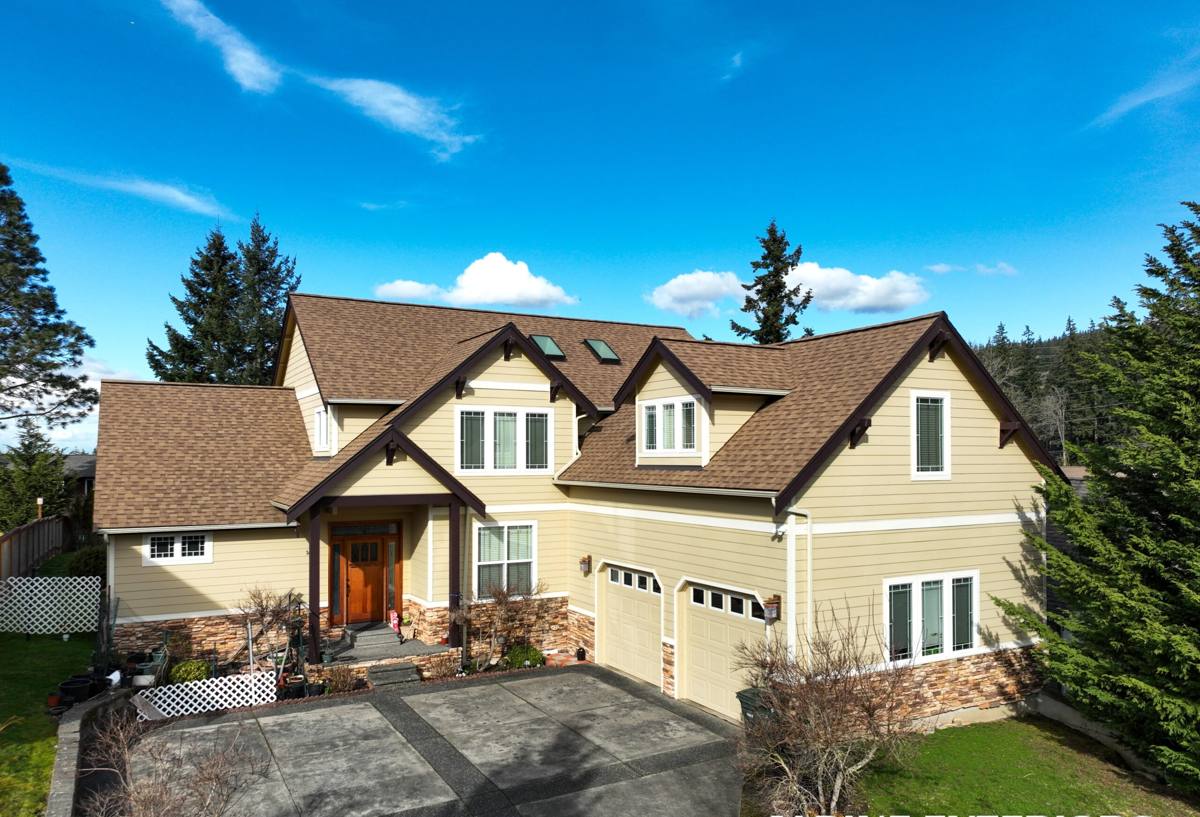
What Whatcom County's Climate Does to Siding Over Time
Bellingham sits in a marine climate that's gentle in temperature but hard on exterior materials in slower, less obvious ways. Three factors show up again and again on York homes we've evaluated:
Salt Air
Being close to the water means a low, steady dose of salt-laden air moves through the neighborhood, especially on windier days. Salt accelerates corrosion on fasteners and metal trim, and it degrades paint films and lower-grade composite sidings faster than a typical inland climate would.
Driving Rain
Whatcom County doesn't just get a lot of rain — a good share of it comes in sideways during fall and winter storms, driven by wind off the Salish Sea. Driving rain finds every gap in flashing, every under-caulked seam, and every place where siding wasn't held far enough off the wall to drain and dry. Vertical rain is forgiving of small mistakes; driving rain is not.
A Long Moss Season
Between the shade from mature trees and the number of wet, mild days per year, York stays damp for a large part of the calendar. Moss and algae don't just look bad — they hold moisture directly against the siding surface, which is exactly the condition that rots wood-based products and stresses paint and caulk joints on anything else.
None of this is unique to York, but the neighborhood's combination of tree cover, home age, and proximity to the bay puts it toward the harder end of what Bellingham siding has to deal with.
Signs a York Home Needs Replacement, Not Repair
Repair makes sense when damage is isolated and the rest of the siding is sound. Replacement becomes the right call when the problems point to the material or the underlying installation, not just one bad board. Watch for:
- Soft, spongy, or crumbling siding when pressed, especially near the bottom courses and around windows
- Paint that won't hold — recurring peeling or bubbling within a few years of repainting
- Persistent moss or algae growth that comes back within a season of cleaning
- Visible gaps, warping, or cupping boards, particularly on the north and west sides that stay shaded and wet longest
- Interior signs — musty smell, staining, or soft drywall near exterior walls — that suggest moisture has already gotten past the siding
- Siding that's original to a home built before the 1990s and has never been fully replaced
If you're seeing two or more of these, it's worth a full evaluation rather than another round of caulk and paint.
What a Correct Siding Replacement Job Actually Involves
The siding itself gets most of the attention, but the work that determines whether a job lasts happens underneath it. A correct replacement on a York home includes:
Full Tear-Off and Inspection
Old siding comes off down to the sheathing so we can actually see the wall — not guess at its condition from the outside. This is when hidden rot, damaged sheathing, or old moisture problems get caught and fixed, instead of getting sealed back up under new siding.
A Continuous Weather-Resistive Barrier
A properly lapped, sealed water-resistive barrier goes on the sheathing before anything else. In a climate that drives rain sideways, this layer — not the siding face — is the last line of defense if water gets past the exterior surface.
Correct Flashing at Every Penetration
Windows, doors, hose bibs, vents, and any other wall penetration need properly integrated flashing that sheds water down and out, not into the wall cavity. This is the single most common place cheap or rushed siding jobs fail.
Rainscreen Gap
A drainage gap behind the siding lets any moisture that does get through drain and lets the wall dry out between storms, instead of trapping water against the sheathing. In a climate with York's rain volume and shade, this detail matters more than it does in drier parts of the state.
The Siding Material Itself
Only after the water management is right does the visible siding go on, installed to the manufacturer's fastening, gapping, and clearance specifications — not shortcuts that look fine on day one and fail in year three.
Why We Install Only James Hardie Fiber Cement
We stopped installing vinyl, LP SmartSide, and other composite or wood-based sidings on homes in this climate because we kept seeing the same failure patterns: moisture wicking into cut edges, paint and coatings breaking down faster than advertised, and maintenance schedules that homeowners either couldn't keep up with or weren't told about up front. James Hardie fiber cement is non-combustible, doesn't feed moss and mildew the way wood-based products can, and holds its factory-applied ColorPlus finish far longer than field-applied paint on other materials — which matters directly in a neighborhood dealing with salt air and a long wet season. Hardie's HZ5 product line is engineered specifically for climates with more moisture exposure, and the warranty is transferable if you sell the home. It's not the cheapest material on the market, and we're upfront about that — but it's the one we're willing to put our name behind on a York re-side.
Our Process for a York Project
- On-site evaluation — we walk the exterior, check for soft spots, moisture damage, and existing flashing conditions, and talk through what we find in plain terms.
- Written estimate — scope, material, and price laid out clearly, no pressure to decide on the spot.
- Tear-off and sheathing repair — old siding removed, any damaged sheathing replaced before anything new goes on.
- Weather barrier, flashing, and rainscreen installation — the part of the job that determines whether the siding lasts.
- Hardie installation — fastened, gapped, and finished to manufacturer spec.
- Final walkthrough — we go over the finished work with you before calling the job done.
What Siding Replacement Typically Depends On
Every home is different, but the same handful of factors drive most of the variation in scope and cost on York projects:
| Factor | Why It Matters |
|---|---|
| Home size and wall complexity | More corners, gables, and dormers mean more cutting, flashing, and labor time |
| Condition of existing sheathing | Hidden rot found during tear-off adds repair work before new siding can go on |
| Siding profile chosen | Lap, shingle, and panel Hardie products differ in material and install time |
| Trim and detail work | Window and door trim, corner boards, and fascia detailing add scope beyond flat wall area |
| Access and site conditions | Tree cover, tight lot lines, and multi-story walls affect staging and labor |
A detailed, in-person estimate is the only reliable way to get real numbers for your home — broad ranges online rarely account for what tear-off actually reveals.
Why Hiring a Crew That Already Works in York Matters
A contractor who regularly works this neighborhood already understands what its housing stock tends to hide — the moisture patterns that come with heavy tree cover, the way older framing was built, and the flashing shortcuts common on homes from certain eras. That familiarity shows up in faster, more accurate estimates and fewer surprises once tear-off starts. It also means a crew that's used to Bellingham's rain windows and can plan a job sensibly around them, rather than rushing weather-sensitive steps to hit a schedule built for a drier climate.
After Your Siding Is Replaced: Keeping It That Way
New Hardie siding is low-maintenance, but "low" isn't "none," especially under York's tree cover. A simple annual routine goes a long way:
- Rinse the siding down once a year to clear pollen, dust, and early moss growth before it takes hold
- Trim back branches and shrubs that keep siding shaded and damp against the wall
- Check and re-caulk joints around windows, doors, and trim every few years
- Keep gutters clear so overflow doesn't run down the wall face
- Walk the exterior once a year and look for anything that's changed — cracked caulk, staining, or loose trim
If you're weighing a siding replacement on a York home, we're glad to take a look and walk you through exactly what we see — no pressure, no upsell, just a straight answer. Use the form below to request a free estimate.