 Bellingham Siding
 Windows Built for Where You Actually Live
Puget sits close enough to the water that its windows take a different kind of beating than windows twenty miles inland. Salt-laden air off the Sound works into hardware and finishes. Driving rain, pushed sideways by wind off the water, tests every seam and joint far harder than a straight-down rain ever would. And the long gray stretch of moss season means wood trim, sills, and cladding stay damp for weeks at a time. None of that is exotic knowledge to anyone who's lived here a while — but it matters enormously when you're deciding how a window gets installed, not just which window you buy.
A window is only as good as the install around it. The unit itself can be top-tier and still fail early if the flashing, sealant, and drainage details underneath aren't right for this climate. That's the piece of the job that doesn't show up in a showroom, and it's the piece we focus on most.
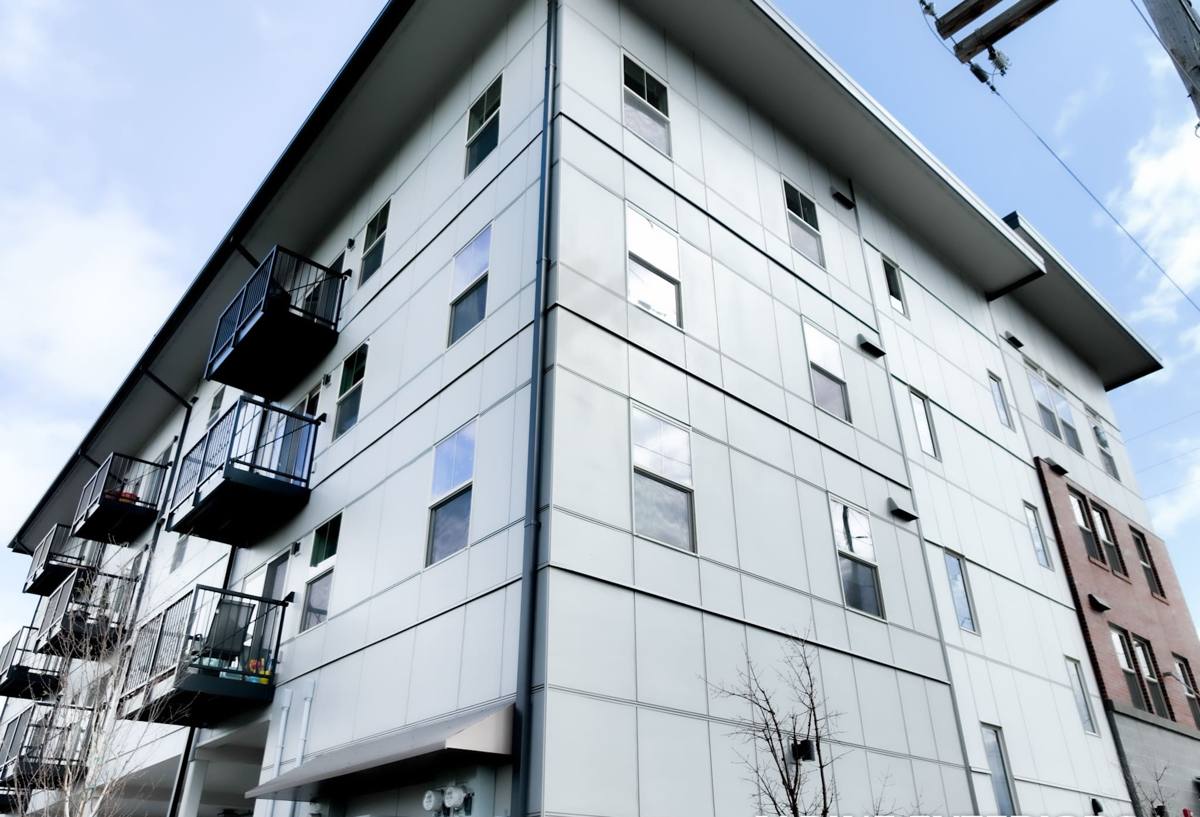
What Puget Sound's Climate Actually Does to Windows
Salt air and hardware
Homes closer to the water deal with airborne salt that accelerates corrosion on lower-grade hardware — hinges, cranks, locks, and screws. Over years, this shows up as stiff or seized operation, pitted metal, and finishes that dull or streak faster than they would further inland.
Wind-driven rain
Rain that comes in at an angle finds its way into gaps that vertical rain never would. If a window wasn't flashed to shed water outward and downward — with a proper drainage path behind the cladding — wind-driven rain will eventually find the sheathing. That's how you get soft framing and hidden rot long before anything looks wrong from inside the house.
Moss and prolonged dampness
Moss doesn't just grow on roofs. Given a shaded exposure and enough standing moisture, it takes hold on horizontal trim, sills, and anywhere water sits instead of draining. Moss holds moisture against wood and paint far longer than open air would, which is part of why sills and trim near the ground or under eaves in Puget tend to fail before the windows above them do.
Signs a Puget Home Needs New Windows
Not every issue means full replacement, but these are the signs worth taking seriously before they turn into a bigger repair:
- Fogging or a visible haze between panes — the seal has failed and the gas fill is gone
- Cold drafts you can feel near the frame even with the window fully latched
- Paint peeling, bubbling, or wood gone soft at the sill or bottom corners
- Sashes that stick, won't stay open, or need force to lock
- Visible moss, black streaking, or persistent dampness on the trim around the window
- Noticeably higher heating bills without a clear other cause
- Condensation forming on the inside of the glass regularly through fall and winter
What a Correct Window Installation Actually Involves
Removing the old window without hiding a problem
Once the old unit is out, that's the one chance to actually see the condition of the framing and sheathing underneath. A rushed install skips this and re-covers whatever's there, good or bad. We check for soft wood, staining, or old flashing that's failed, and we deal with it before anything new goes in.
Flashing and drainage, not just caulk
Caulk alone is not a weatherproofing plan — it's a backup. The real protection is a flashing sequence that layers correctly with the house wrap so any water that gets behind the cladding has somewhere to go besides your wall cavity. This is the single detail that matters most for a house exposed to wind-driven rain off the Sound, and it's the one that's easiest to shortcut if a crew is moving fast.
Air sealing and insulation at the rough opening
The gap between the window frame and the rough opening needs to be sealed and insulated correctly — not stuffed with excess foam, which can bow the frame, and not left loose, which leaks air and moisture. This is where a lot of the draft complaints homeowners describe actually originate.
Level, plumb, and square
A window that's out of square will bind, won't lock cleanly, and puts uneven stress on the seals over time. This gets checked and shimmed properly before anything is fastened permanently.
Choosing the Right Window for a Puget Sound Home
There's no single "best" frame material — it depends on your home's exposure, your maintenance appetite, and your budget. Here's how the common options actually compare for a home dealing with salt air and heavy rain:
| Frame Material | Salt Air / Moisture Behavior | Maintenance | Where It Fits Best |
|---|---|---|---|
| Vinyl | Won't corrode or rot; performs well near the coast | Low — occasional cleaning | Most budgets, most exposures |
| Fiberglass | Very stable in moisture and temperature swings, strong salt-air resistance | Low | Higher-exposure walls, longer-term ownership |
| Wood-clad | Good if cladding and flashing are done right; interior wood needs protection from condensation | Moderate to high | Homes prioritizing an interior wood look |
| Aluminum | Conducts cold and can corrode faster in salt air unless properly finished | Moderate | Specific architectural styles, less common here |
For homes closer to the water, we generally steer clients toward vinyl or fiberglass for the exterior-facing walls that take the brunt of the weather, simply because they hold up with the least ongoing maintenance. That's a practical recommendation based on how these materials behave in this specific climate — not a knock on wood or aluminum, which both have a place depending on the home and the owner's priorities.
New Construction vs. Insert Windows
There are two basic approaches to replacement, and which one fits depends on the condition of your existing frame:
Insert (retrofit) windows
The new window fits inside the existing frame, which stays in place. This is faster, less invasive, and often the right call when the existing frame and flashing are still sound.
Full-frame (new construction) replacement
The old frame comes out entirely, exposing the rough opening and allowing a full flashing and moisture-barrier redo. This is the right call when there's any sign of water damage, rot, or a flashing job that was never done correctly — which, on older Puget-area homes, is common enough that we always check before recommending an insert.
Our Process
- On-site walkthrough of each window, checking framing, flashing, and current condition — not just measuring glass
- Honest recommendation on insert vs. full-frame replacement, and which frame material fits your exposure
- Written estimate with no pressure to decide on the spot
- Careful removal and inspection of the opening before anything new goes in
- Proper flashing, air sealing, and insulation at every opening
- Final check for level, plumb, square, and smooth operation before we call it done
Why a Crew That Already Works Puget Matters
A contractor who works this specific area regularly has already seen how the exposure plays out on real houses — which walls take the worst of the wind-driven rain, where moss tends to establish first, and how salt air ages hardware over a few winters. That's not something you can fully substitute with a generic install checklist. It shows up in small decisions: which flashing detail gets extra attention, which sill gets extra protection, which frame material we'd actually put on our own house facing that direction.
It also means we're not guessing at permitting or code requirements for Whatcom County — we know what inspectors here expect, and we build to that standard whether or not a permit is required for the scope of work.
After Installation: Keeping Windows Performing
New windows still benefit from basic upkeep in this climate. Rinse salt residue off exterior hardware and glass periodically if you're close to the water. Keep gutters and any horizontal trim clear of moss and debris so water doesn't sit against wood surfaces. Check weep holes at the base of the frame occasionally to make sure they're not blocked, since that's how the window sheds water it collects during heavy rain. None of this is a heavy lift, but it's the difference between windows that look and perform well for decades and ones that start showing wear early.
Get a Straight Answer on Your Windows
If you're dealing with drafts, fogged glass, soft trim, or windows that just don't feel right anymore, we're happy to take a look and give you a straight, no-pressure assessment. Use the form below to request a free estimate — we'll tell you honestly what your windows need, and what they don't.