 Bellingham Siding
 Roofing in Barkley: A Different Set of Conditions Than Inland Whatcom County
Barkley sits close enough to Bellingham Bay and the Nooksack lowlands that homes here deal with a specific combination of weather stress: salt-laden air off the water, wind-driven rain that gets pushed sideways under poorly flashed edges, and a wet season that runs long enough to grow a healthy crop of moss on any roof that isn't shedding water and drying out efficiently. None of that is exotic on its own — it's just Pacific Northwest weather. But it adds up differently on a roof than it does on siding or trim, because a roof has no second line of defense. When it fails, the failure shows up as water inside the house, not just a cosmetic problem on the outside.
A new roof installation in this neighborhood needs to be built with that reality in mind from the first layer down, not patched together with materials and methods better suited to a drier climate. That's the standard we hold every Barkley roof to.
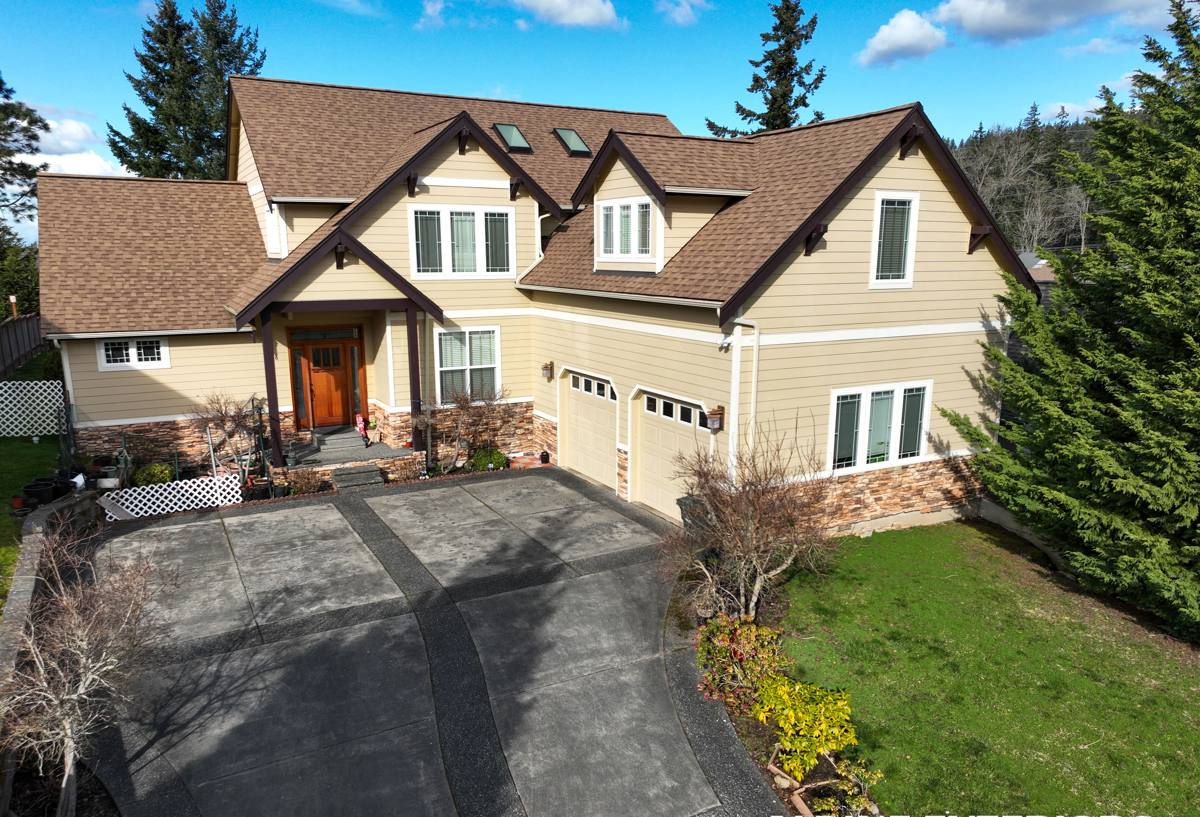
What Barkley Homes Actually Need From a New Roof
Moisture Management, Not Just a Waterproof Surface
Shingles or metal panels are the visible layer, but the roof's real job — keeping water out through decades of Whatcom County rain — depends on everything underneath them: the underlayment, the flashing at every penetration and transition, and the ventilation that keeps the attic and roof deck dry from the inside out. A roof that looks good from the street but skips these details will leak eventually. It's just a matter of which winter.
Wind and Rain Resistance at the Edges
Most roof leaks don't happen in the open field of the roof — they happen at edges, valleys, and penetrations: chimneys, vent stacks, skylights, and where the roof meets a wall or dormer. Driving rain off the bay can push water uphill under a shingle tab or behind loose flashing, which is exactly the failure mode we build against with proper flashing laps, sealed fastener patterns, and ice-and-water membrane in the vulnerable spots.
Moss and Algae Resistance
Given how long the wet season runs here, a roof that doesn't account for moss and algae growth will need premature cleaning, scraping, and eventually early replacement. This is addressed with material choice, proper ventilation to reduce trapped moisture, and metal strips or algae-resistant granules where appropriate — not with a one-time treatment that wears off.
What a Correct New Roof Installation Involves
A quality roof replacement is a sequence, and skipping or rushing any step is where corners get cut without the homeowner ever seeing it happen.
- Full tear-off: Old roofing removed down to the deck — not roofed over — so we can actually see the condition of the sheathing.
- Deck inspection and repair: Any soft, rotted, or delaminated sheathing gets replaced before anything new goes down. This is the step that's easiest to skip and most expensive to skip wrong.
- Ice-and-water shield in vulnerable zones: Eaves, valleys, and penetrations get a self-adhering waterproof membrane, not just felt or synthetic underlayment.
- Synthetic underlayment across the field: A tougher, more consistent water barrier than old-style felt, and it holds up better during the install itself if weather rolls in mid-project.
- New flashing throughout: Step flashing at walls, counter-flashing at chimneys, and new metal at valleys and edges — reused old flashing is a common shortcut we don't take.
- Proper ventilation: Balanced intake at the eaves and exhaust at the ridge so moist air actually moves out of the attic instead of condensing on the underside of the deck.
- Correct fastening and exposure: Manufacturer nailing patterns and exposure lines, not just "close enough" — this is what keeps a roof rated for wind actually performing at that rating.
- Final inspection and cleanup: Magnetic sweep for nails, gutters checked and cleared, site walked before we call it done.
Choosing the Right Roofing Material for Barkley's Climate
There's no single "best" roofing material — the right choice depends on your home's roof pitch, your budget, how long you plan to stay in the home, and how much long-term maintenance you're willing to take on. Here's how the common options compare for a Whatcom County home exposed to salt air, wind-driven rain, and a long moss season.
| Material | Typical Lifespan | Moss/Algae Behavior | Relative Cost |
|---|---|---|---|
| Architectural asphalt shingle | 25-30 years | Prone to moss without algae-resistant granules and good airflow; manageable with maintenance | Lowest to moderate |
| Algae-resistant shingle (copper/zinc granules) | 25-30 years | Noticeably better resistance to algae staining and moss buildup over time | Slightly above standard shingle |
| Standing seam metal | 40-60+ years | Sheds moisture fast, very little surface for moss to take hold on a well-pitched roof | Highest |
| Composite/synthetic shingle | 30-50 years | Good moisture resistance; performance varies by product | Moderate to high |
For most Barkley homes we install architectural asphalt shingle with algae-resistant granules — it's a proven, cost-effective match for this climate. Metal roofing is a strong option for homeowners planning to stay long-term or wanting the lowest possible maintenance, and we'll walk you through the real trade-offs for your specific roof rather than pushing whatever's easiest to sell.
Moss: Why It's a Bigger Deal Here Than It Looks
Moss on a roof isn't just cosmetic. As it establishes itself, it holds moisture against the roofing material far longer than the material was designed to sit wet, which accelerates granule loss on asphalt shingles and can work its way under tabs and flashing over time. In a region with as long a wet season as ours, north-facing slopes and shaded areas under trees are especially prone to it. A new installation with proper ventilation, the right material, and clean roof-to-gutter drainage won't make a roof immune to moss, but it substantially slows how fast it takes hold — and that's the difference between an occasional cleaning and a roof that's fighting moss every year of its life.
Our Installation Process, Start to Finish
- On-site inspection and estimate: We look at the existing roof, attic ventilation, and any problem areas before quoting anything — not a drive-by estimate.
- Material selection: We go over the options above in the context of your home, budget, and how long you plan to own it.
- Permitting: Roof replacements typically require a permit through the City of Bellingham or Whatcom County depending on your property's location — we handle that paperwork.
- Scheduling around weather: We plan installs to avoid stretches of active rain where possible, and use tear-off and dry-in sequencing that limits how much of your roof deck is exposed at any one time.
- Installation: Full tear-off, deck repair as needed, underlayment, flashing, and the new roofing system installed to manufacturer specification.
- Final walkthrough: We review the finished roof with you, confirm gutters and downspouts are clear, and go over your warranty paperwork.
Signs Your Barkley Roof May Be Due for Replacement
- Shingles that are curling, cracking, or missing granules in patches
- Moss or algae streaking that keeps coming back after cleaning
- Daylight visible through the attic roof deck, or damp insulation after storms
- Flashing that's visibly rusted, lifted, or separated from the roof surface
- A roof approaching or past 20-25 years old, especially if it's never been re-flashed
- Granules collecting in gutters and downspouts
- Sagging areas anywhere on the roof plane, which can point to deck damage underneath
If you're seeing more than one of these, it's worth having the roof looked at before it becomes a repair versus a full replacement decision made under pressure.
Why It Matters to Hire a Crew That Already Works Barkley
A roofing crew that regularly works this neighborhood already understands the local permitting process, knows what wind and rain exposure specific streets and roof orientations tend to see, and isn't guessing at how to detail flashing for our climate. If your property is part of an HOA or neighborhood association with design guidelines on roofing materials or colors, we can help you confirm what's allowed before ordering materials — better to check that up front than to find out after a container of shingles is on the truck.
We're also a call away after the job is done. Roofing problems that show up years later — a slow leak, a section of moss that's gotten out of hand, a flashing detail that needs a look — are a lot easier to deal with when the crew that installed your roof is still local and still answering the phone.
What Affects the Cost of Your Roof Replacement
Every roof is priced based on the specifics of the job, but the main cost drivers are consistent:
- Roof size and complexity: Square footage, number of valleys, hips, dormers, and penetrations all add labor time.
- Roof pitch and accessibility: Steep or hard-to-access roofs take longer and require more safety setup.
- Deck condition: Rotted or damaged sheathing found during tear-off adds material and labor to repair before the new roof goes on.
- Material choice: Standard shingle, algae-resistant shingle, metal, and composite options all carry different material costs, as shown above.
- Tear-off layers: Removing one layer of old roofing costs less than removing two or three layers stacked on top of each other.
We give you a written estimate that breaks these factors down so you know exactly what you're paying for and why — no vague lump-sum numbers.
Get a Free, No-Pressure Estimate
If your Barkley home's roof is showing its age, dealing with persistent moss, or just due for an honest inspection, we're happy to take a look and walk you through what we find — no pressure, no pushy sales pitch. Fill out the form below to schedule a free estimate.