 Bellingham Siding
 Board & Batten Siding Built for Happy Valley's Weather
Board and batten has become one of the most requested looks for homes in Happy Valley, and it's easy to see why. The strong vertical lines suit the craftsman and farmhouse-influenced homes common in this part of Bellingham, and the deep shadow lines the battens create give a house real depth and character instead of a flat wall of siding. But a good-looking board and batten job and a correct board and batten job are two different things, especially in a neighborhood with as much tree cover, hillside drainage, and damp shade as Happy Valley has.
This page is about that gap — what this specific siding style needs to hold up here, what a job done right actually involves, and why the details matter more in Whatcom County's climate than they would in a drier part of the country.
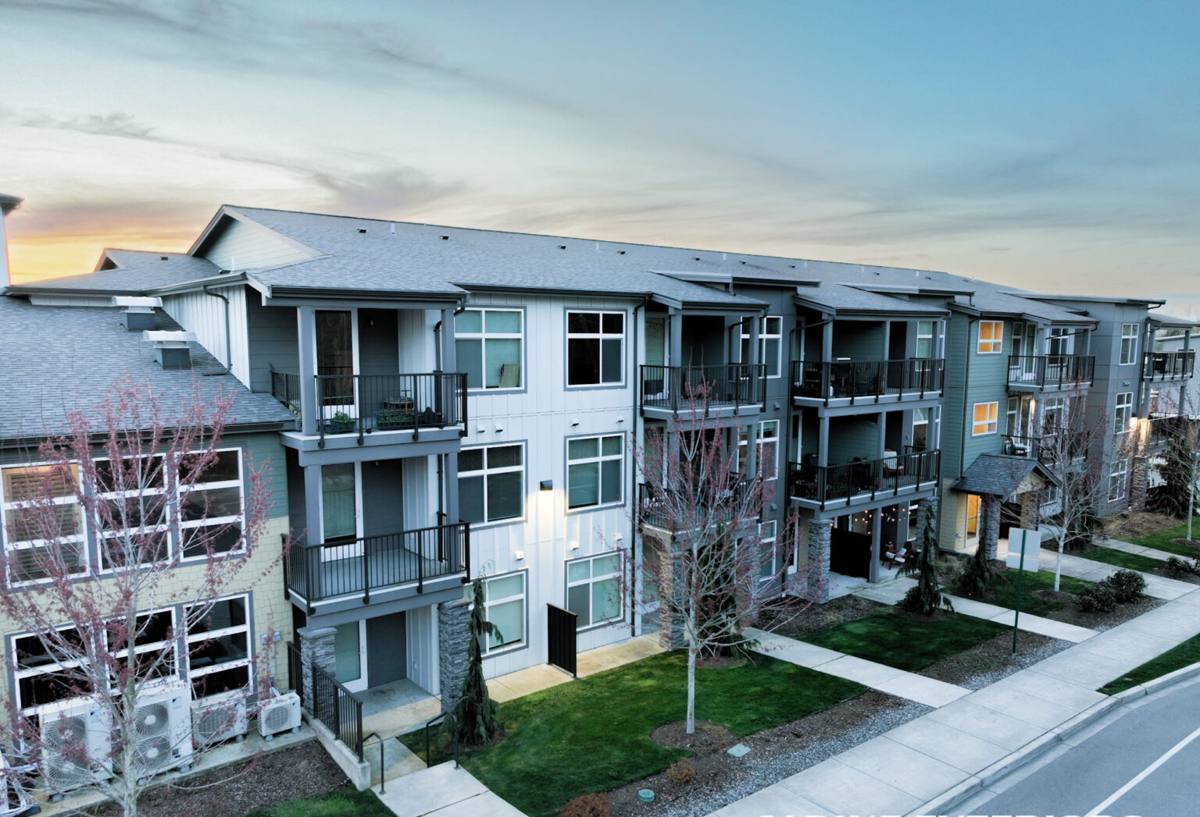
What Bellingham's Climate Does to Vertical Siding
Board and batten puts more seams on a wall than lap siding does — every batten is a vertical joint, and every joint is a place water can find its way behind the cladding if it isn't detailed correctly. In most of the country that's a minor consideration. In Bellingham, it's the whole ballgame.
Salt Air and Coastal Corrosion
Homes near Bellingham Bay live in a mild salt-air environment. It's not the same intensity as a beachfront property, but salt-laden moisture in the air accelerates corrosion of exposed metal fasteners, cheap flashing, and unprotected cut edges over time. On a board and batten wall, where there are simply more fasteners and more trim per square foot than a standard lap job, using the wrong hardware or skipping proper flashing shows up as rust streaks and soft spots years before it should.
Driving Rain and Wind-Driven Moisture
Winter storms here don't just drop rain straight down — wind pushes it sideways, right into vertical seams and up under trim. Board and batten depends entirely on its drainage details to handle this. If the battens are face-nailed without a gap behind them, or the wall lacks a proper drainage plane, wind-driven rain gets pushed past the surface and has nowhere to go. It sits against the wall sheathing instead of draining back out.
Moss, Shade, and the Long Wet Season
Happy Valley's tree cover is part of its appeal, but shaded, slow-drying walls are exactly where moss and algae take hold. Once organic growth establishes on a wall surface, it holds moisture against the siding for extended periods, which is hard on paint film, hard on wood substrates, and eventually hard on the wall assembly behind it. A siding material's ability to handle repeated wetting without swelling or softening matters more here than it does on a house that gets full afternoon sun.
What a Correct Board & Batten Installation Actually Involves
The visual style of board and batten is simple. The assembly behind it is not, and most of the failures we get called out to inspect trace back to shortcuts in one of the following areas.
Drainage Plane and Rainscreen Gap
Every board and batten wall needs a water-resistive barrier behind the panels, and in a climate this wet, we install a rainscreen gap — a small air space between the back of the siding and the wall — rather than nailing panels flat against the house wrap. That gap lets any moisture that gets past the surface drain and dry out instead of sitting trapped against the sheathing.
Batten Spacing and Fastening
Battens need consistent, code-correct spacing over the vertical panel joints, and fasteners need to land in solid framing or blocking, not just through the panel into the drainage gap. Fastener pattern and placement affect both wind resistance and how the panels handle seasonal expansion and contraction.
Flashing and Trim Details
Every window, door, corner, and roofline intersection on a board and batten wall is a place water wants to get behind the siding. Head flashing above openings, proper kick-out flashing where a roofline meets a wall, and correctly lapped trim at inside and outside corners are what actually keep a wall dry — the batten pattern is just the finish layer on top of that work.
Caulking and Finish
Factory-finished panels need the right sealant at the right joints — not every seam should be caulked solid, since some need to stay able to drain. Getting this wrong is a common cause of paint failure and moisture staining on board and batten walls that otherwise look fine from the street.
Comparing Board & Batten Materials
Board and batten can be built from several different materials, and they don't perform the same way in a marine, tree-shaded climate like Happy Valley's. Here's how the common options compare:
| Material | Moisture Behavior | Moss/Algae Resistance | Maintenance | Typical Lifespan Here |
|---|---|---|---|---|
| James Hardie fiber cement | Does not swell, rot, or absorb water like wood | Factory ColorPlus finish resists staining better than paint alone | Occasional wash, repaint on the owner's schedule (not forced by the material) | Decades, per manufacturer specs when installed to spec |
| Primed wood board & batten | Absorbs moisture at end grain and joints; prone to swelling | Poor in shaded, damp spots without frequent maintenance | Frequent repainting and caulk upkeep | Shorter, especially in shaded exposures |
| Engineered wood (e.g. LP-type products) | Better than raw wood but still wood-fiber based; edge sealing is critical | Moderate; depends heavily on correct installation and upkeep | Regular inspection of seams and cut edges | Variable; installation sensitivity is a known factor |
| Vinyl board & batten | Doesn't rot, but can trap moisture behind it if ventilation is poor | Can still host surface moss/algae; doesn't breathe | Low, but limited repair/color options if damaged | Can fade or warp under UV over the years |
We install James Hardie exclusively — not because the alternatives are junk, but because in a climate that stays wet for months at a stretch, the moisture-related trade-offs of wood and engineered wood siding are a maintenance burden we don't want to hand a Happy Valley homeowner, and vinyl's appearance and heat sensitivity don't hold up to the standard we build to.
Our Installation Process for Happy Valley Homes
Every board and batten project we run follows the same sequence, regardless of the home's age or style:
- On-site assessment. We look at existing siding, trim, and — where accessible — sheathing condition, paying close attention to shaded walls and any area showing past moss or moisture staining.
- Moisture and drainage plan. We identify roofline intersections, window and door flashing needs, and where a rainscreen gap is required before a single panel goes up.
- Tear-off and sheathing check. Old siding comes off and we inspect what's underneath. Any soft or water-damaged sheathing gets addressed before new siding covers it up.
- Weather barrier and rainscreen installation. The drainage plane goes on correctly lapped, then furring or a rainscreen product creates the drainage gap behind the panels.
- Panel and batten installation. Hardie panels and battens go up with manufacturer-specified fastening and spacing, with flashing integrated at every penetration and intersection as we go — not added after the fact.
- Final inspection and caulk detailing. We walk the finished wall for consistent reveal lines, correct sealant placement, and clean trim work before calling the job done.
Why We Install Only James Hardie Board & Batten
James Hardie's fiber cement panels are non-combustible and engineered specifically for wet coastal climates in their HZ product line — built to resist moisture-related swelling and hold factory-applied ColorPlus finish far longer than field-applied paint on wood or engineered wood siding. That combination matters directly in Happy Valley: a wall that spends months of the year damp and shaded needs a substrate that doesn't take on water at the core, and a finish that isn't relying on a homeowner's repainting schedule to keep moisture out.
Hardie also backs its products with a strong, transferable warranty, which carries real value on a style like board and batten where the material itself — not just labor — is what's being asked to perform for decades in a demanding climate.
Cost Factors for a Happy Valley Board & Batten Project
Board and batten costs more per square foot to install correctly than standard lap siding, mainly because of the extra materials and labor in the details, not the panels themselves. Rough cost drivers include:
| Factor | Why It Affects Cost |
|---|---|
| Wall height and complexity | More gables, dormers, and roofline intersections mean more flashing and trim work |
| Existing sheathing condition | Rot or water damage found during tear-off requires repair before new siding goes on |
| Rainscreen/drainage system | A proper drainage gap adds material and labor versus face-nailing directly to the wall |
| Trim and corner detailing | Board and batten has more visible trim per wall than lap siding, and it needs to be flashed correctly |
| Access and site conditions | Tree-covered or hillside lots common in Happy Valley can affect staging and scaffolding needs |
We give a firm, itemized quote after walking the property — not a per-square-foot number pulled from a phone call, since the details above genuinely change what a given home needs.
Why Local Experience in Happy Valley Actually Matters
A lot of siding work in this neighborhood involves older homes with siding that's already been replaced once or twice, tree-covered lots with limited direct sun on certain walls, and hillside grading that changes how water moves around a foundation. A crew that's worked houses in this area already understands the shaded-wall moss pattern, knows to check specific trouble spots at roof-to-wall transitions, and isn't guessing at how Bellingham's building department wants flashing and drainage details handled.
That local repetition is also what keeps a job on schedule. Whatcom County's wet season isn't a surprise to a crew that works here year-round — the work gets sequenced around it, sheathing doesn't sit exposed longer than it has to, and the drainage details get built in from day one instead of retrofitted after a callback.
Maintenance Checklist for Board & Batten Homes
Even correctly installed siding benefits from a homeowner keeping an eye on a few things, particularly on shaded walls:
- Rinse shaded walls once or twice a year to slow moss and algae buildup before it takes hold
- Check caulk lines at window and door trim annually for cracking or separation
- Look for staining or streaking below roof-to-wall intersections, which can signal a flashing issue
- Keep gutters clear so overflow isn't running down wall surfaces
- Trim back vegetation and tree limbs that keep a wall section shaded and slow to dry
- Have any soft spots, bubbling paint, or visible gaps at battens looked at promptly rather than waiting
If you're weighing board and batten for a home in Happy Valley and want a straight answer on what it would take to do right on your specific house, we're happy to take a look and put together a free, no-pressure estimate.