 Bellingham Siding
 Metal Roofing Built for Cordata's Weather
Cordata sits on Bellingham's north side, close enough to Bellingham Bay to catch salt-laden air on windy days and far enough inland to still get the driving, sideways rain that rolls in off the Sound through fall and winter. Add Whatcom County's long, damp moss season and you have a climate that is genuinely hard on a roof. Metal roofing holds up to that combination better than most other materials, but only when it is specified and installed correctly for this exact environment. A metal roof panel is not a generic product — the coating, the fastening method, and the underlayment all need to match what a Cordata roof actually deals with year-round.
This page covers what we look at when we design and install a metal roof for a home in this neighborhood, how our process works from first call to final walkthrough, and why hiring a crew that already works in this specific area matters more with metal than with almost any other roofing material.
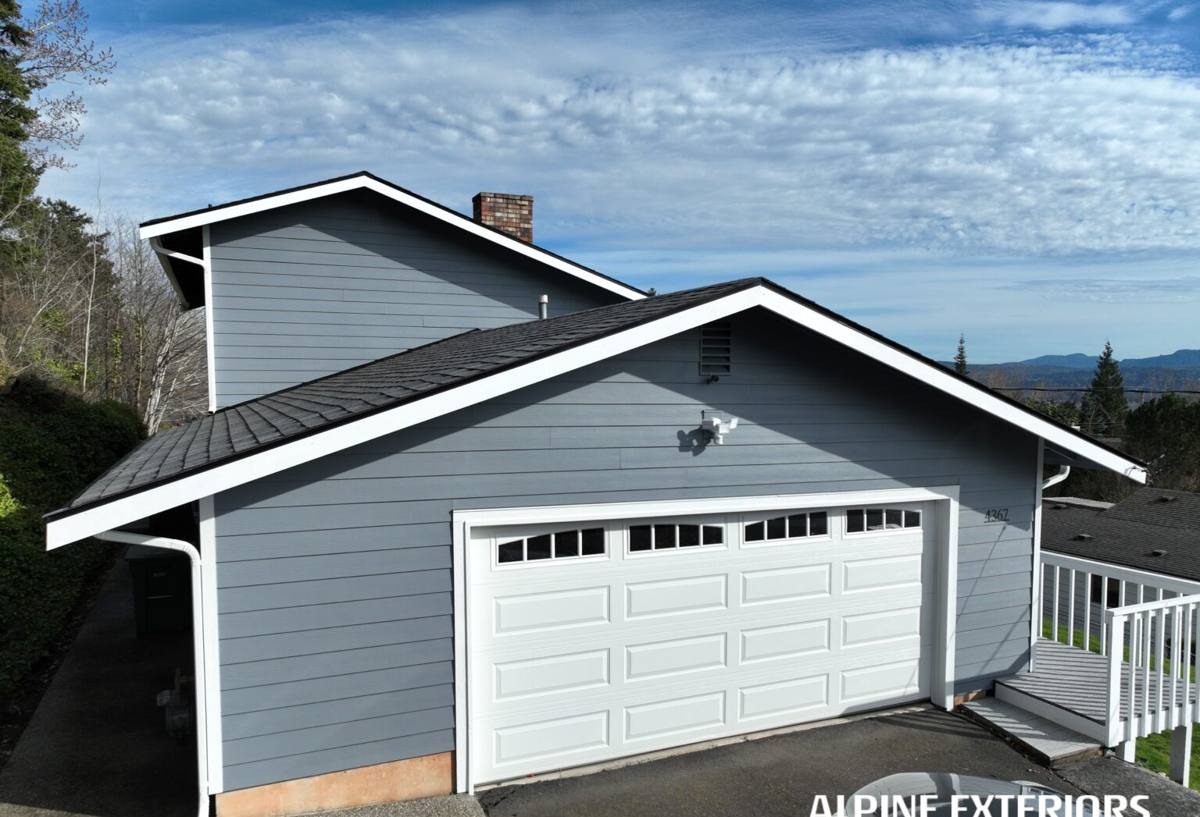
What Bellingham's Climate Does to a Roof
Salt Air and Corrosion
Homes closer to the water deal with airborne salt that settles on every exterior surface, roofs included. Over years, that salt film accelerates corrosion on unprotected or poorly coated metal, especially at cut edges, fastener heads, and anywhere the factory finish has been scratched during installation. This is one of the biggest reasons panel selection and coating quality matter more here than in an inland climate.
Driving Rain
Bellingham doesn't just get a lot of rain — a good share of it comes in at an angle, pushed by wind off the Strait. Wind-driven rain finds weaknesses that a straight-down rain never would: lap joints, valleys, and penetrations that are technically watertight in calm conditions can still leak under a sideways storm if they weren't detailed for it.
The Long Moss Season
Whatcom County's mild, wet stretch from fall through spring is ideal growing conditions for moss and algae. On organic roofing materials, moss takes hold in the granules and holds moisture against the surface for months at a time. Metal doesn't give moss the same foothold, but a roof with poor drainage, overhanging branches, or shaded north-facing slopes can still collect debris and grow moss in the seams and at low-slope transitions if it isn't designed with runoff in mind.
Why Metal Roofing Fits This Environment
Metal roofing addresses the three problems above better than asphalt shingles or wood-based products, which is why we see steady demand for it in Cordata and the surrounding neighborhoods:
- Sheds wind-driven rain faster than shingles because of long, continuous panel runs with fewer horizontal seams
- Doesn't absorb moisture, so it doesn't provide the damp organic surface moss needs to establish itself
- Modern coatings resist salt-air corrosion far better than uncoated or older-generation finishes
- Handles the freeze-thaw swings and heavy winter rain load without the granule loss and cracking that shortens shingle life
- Typically outlasts asphalt roofing by decades, which matters on a coastal property where re-roofing access and scaffolding costs add up over time
None of that is automatic, though. A metal roof only delivers on these advantages when the system underneath it — underlayment, flashing, ventilation, and fastening — is installed to handle this specific climate, not just installed "by the book" for a drier region.
Panel Systems We Install
Not every metal roofing system is a good match for a coastal, high-rainfall property. We walk homeowners through the real tradeoffs rather than pushing one product for every job.
| System | How It's Fastened | Best Fit For |
|---|---|---|
| Standing Seam | Concealed clips, no exposed fasteners on the field of the panel | Homes wanting the longest service life and the fewest future leak points; our default recommendation for exposed, high-wind, or coastal-facing roof planes |
| Exposed Fastener Panel | Screws driven through the panel face into the deck or purlins | Budget-conscious projects, outbuildings, and lower-slope secondary roofs where cost matters more than the absolute longest lifespan |
| Metal Shingle / Shake Profile | Interlocking panels designed to mimic shingle or shake appearance | Homeowners who want a more traditional look on the street-facing elevation while keeping metal's durability |
Exposed-fastener systems cost less up front, but every screw is a potential future leak point once the rubber washer under its head ages and hardens — something that happens faster under UV exposure and repeated wet-dry cycling than most people expect. On homes closer to the water or on steep, highly visible roof planes, we generally steer homeowners toward standing seam for that reason. We'll always give you the honest tradeoffs rather than just quoting the cheaper option.
Coatings and Finish
The coating matters as much as the base metal. In a salt-air environment, we favor panels with a factory-applied finish rated for coastal exposure, and we're careful about field-cutting panels in ways that expose bare edges to weather. Where cuts are unavoidable, those edges get properly sealed and, where appropriate, coated rather than left raw.
What a Correct Installation Actually Involves
A metal roof is only as good as what's underneath it. The panels get the attention, but the parts that actually prevent a leak are mostly invisible once the job is done.
Deck and Underlayment
We check the existing deck for soft spots, rot, or delamination before anything goes down — this is common on older Cordata homes where a prior roof trapped moisture for years without anyone knowing. Over solid decking, we install a high-temperature synthetic or self-adhered underlayment rated for the panel type, with extra ice-and-water protection at eaves, valleys, and any low-slope transitions where wind-driven rain is most likely to be pushed back up under the panel edge.
Flashing and Penetrations
Chimneys, vents, skylights, and wall-to-roof transitions are where most roof leaks actually start, metal or otherwise. Every penetration gets custom-formed flashing designed for that specific detail, not a generic boot stretched to fit. Valleys get sized and lapped for the volume of water a heavy Pacific storm can move through them, not just average rainfall.
Fastening and Expansion
Metal panels expand and contract with temperature swings more than shingles do. Standing seam systems use floating clips that let the panel move without stressing the fasteners; exposed-fastener systems need properly sized pilot holes and correctly torqued screws so the panel isn't over-compressed or left loose. Getting this wrong doesn't usually show up as a problem in year one — it shows up as leaks and oil-canning a few winters later.
Ventilation
A metal roof over a poorly ventilated attic can trap condensation on the underside of the panels, which looks like a roof leak but is actually a moisture problem originating from inside the house. We check existing intake and exhaust venting as part of the estimate and recommend corrections when the attic isn't moving air the way it should.
Our Process for Cordata Roofs
- On-site inspection. We assess the existing roof, deck condition, ventilation, and any moss or drainage issues specific to your lot and tree cover.
- System recommendation. We walk you through panel type, coating, and color options suited to your home and budget, with a straightforward explanation of the tradeoffs.
- Written estimate. You get a clear scope of work and price before anything is scheduled — no vague allowances.
- Tear-off and deck prep. Old roofing is removed and the deck is inspected and repaired as needed before underlayment goes down.
- Underlayment, flashing, and panel installation. Installed in the sequence and detail described above, with particular attention to valleys, penetrations, and edges facing prevailing wind and rain.
- Final walkthrough and cleanup. We review the finished roof with you and clear the site of debris, old materials, and stray fasteners.
What Drives the Cost of a Metal Roof
| Factor | How It Affects Price |
|---|---|
| Panel system | Standing seam runs higher than exposed-fastener panels due to material and labor for the concealed clip system |
| Roof complexity | Multiple valleys, dormers, and penetrations add flashing labor beyond a simple gable or hip roof |
| Deck condition | Rot or soft decking found during tear-off adds repair cost not visible from the ground |
| Coating and finish grade | Coastal-rated finishes cost more than standard finishes but hold up longer against salt air |
| Roof access | Steep pitch, height, or limited staging area affects labor and equipment needs |
Because so much of the final price depends on what's under the existing roofing and the specific shape of your roof, we don't quote metal roofing over the phone — an accurate number requires seeing the roof in person.
Signs Your Roof Should Be Evaluated
- Moss or dark streaking building up faster than it used to, especially on north-facing slopes
- Granule buildup in gutters or downspouts from an aging asphalt roof
- Visible rust or corrosion on existing metal flashing, vents, or panels
- Soft spots, sagging, or staining on the attic side of the roof deck
- A roof over 15-20 years old that hasn't been inspected since installation
- Leaks that appear only during wind-driven storms, not steady rain
Why a Crew That Works Cordata Matters
Metal roofing specs that work fine in a dry, inland climate can fall short here. A crew that installs metal roofs across Bellingham and Whatcom County day in and day out already knows which details to over-build for wind-driven rain, which coatings actually hold up against salt air over time, and where moss tends to collect on the roof shapes common in this area. That local pattern recognition is hard to replace with a generic install checklist, and it's the difference between a metal roof that performs for decades and one that needs early repairs. We stand behind our work and are available if questions come up well after the crew has left the job site.
If you're weighing metal roofing for a home in Cordata, we're happy to take a look and walk you through what your specific roof needs — no pressure, no obligation. Reach out using the form below to schedule a free estimate.