 Bellingham Siding
 Metal Roofing in Birch Bay: A Shoreline Community With Its Own Set of Problems
Birch Bay sits directly on the water along the Strait of Georgia, and that changes what a roof has to deal with compared to homes even a few miles inland in Bellingham. Waterfront and near-waterfront lots here take a steadier, saltier wind off the strait, and a lot of the housing stock is beach cottages, vacation homes, and rental properties that owners don't want to be climbing a ladder on every other season. Metal roofing has become a common answer to that combination: a roof surface, exposed to more salt spray and wind than the county average, that still needs to go a long stretch between maintenance visits.
We install metal roofing across Whatcom County, and Birch Bay is one of the areas where the case for it is strongest. That doesn't mean metal is automatically the right call for every home here, or that every metal roof is installed the same way. It means the trade-offs are worth walking through with an eye specifically on this shoreline, not a generic climate spec sheet.
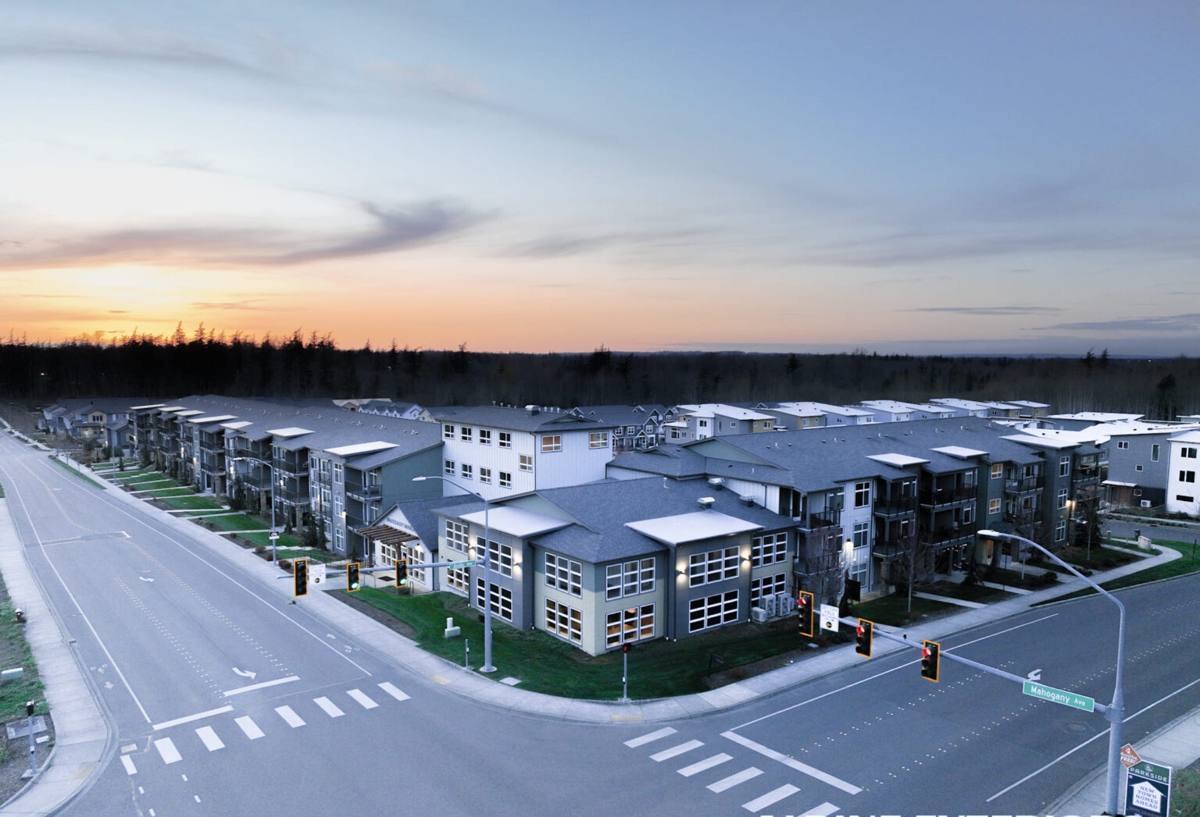
What Birch Bay's Waterfront Exposure Does to a Roof
Salt Air, Close to Constant
Homes set back from the water in Bellingham get salt-tinged air in gusts and storms. Birch Bay properties, especially anything close to the shoreline, get it as a steady background condition. Over years, that accelerates corrosion on fasteners, flashing, and any metal component that isn't rated for it, and it's the reason a roofing product or hardware choice that holds up fine twenty miles inland can start showing rust streaks and pitting here well ahead of schedule.
Wind Off the Water
Open water in front of a house means less to slow the wind down before it hits the roof. That shows up as rain driven sideways into ridges, valleys, and any trim or vent penetration with a gap to exploit, and it also means roof coverings and fastening patterns need real wind resistance, not just a rating that looks good on paper in a sheltered inland lot. A roof that's marginal on wind uplift is a roof that eventually loses panels or shingles in the wrong storm.
A Moss Season That Barely Takes a Break
Mild temperatures and consistent dampness give moss and algae a long growing window across Whatcom County, and shaded or north-facing roof planes in Birch Bay are no exception. On a porous roofing material, that moss holds water against the surface and works into seams and laps over time. On a smooth, non-porous surface, it has a much harder time getting a foothold in the first place, which is one of the practical reasons metal keeps coming up in these conversations.
Why Metal Roofing Fits This Environment
Metal isn't automatically better than every other roofing material everywhere. In a shoreline environment like Birch Bay, with heavy salt exposure, direct wind, and a long moss season, its specific strengths line up well with what the climate actually demands.
- Sheds moss and algae better: the smooth panel surface gives moss far less to grip than a shingle's granulated texture, so growth is slower and easier to rinse off before it becomes a problem.
- Strong wind performance: properly installed metal panels, especially standing seam systems, resist uplift better than most other roofing materials, which matters directly on an open-water lot.
- Long service life: a correctly installed metal roof commonly outlasts asphalt shingle roofs by decades, which matters to owners who don't want to be re-roofing a vacation property every generation.
- Low ongoing maintenance: for owners who aren't on-site year-round, a roof that doesn't need seasonal moss treatments or granule loss monitoring is a real practical advantage.
- Fire resistance: metal roofing doesn't contribute fuel to a fire the way some other materials can, which some insurers factor into coverage.
The trade-off is upfront cost and, on some panel types, a different sound and look than a traditional shingle roof. For a lot of Birch Bay homes, especially anything with direct water exposure or an owner who isn't local year-round, that trade-off tends to make sense.
Panel Types and Finishes: What Actually Matters Here
"Metal roofing" covers more than one product, and the differences aren't cosmetic. Panel profile and finish quality both affect how a roof performs specifically in salt air and driving rain.
| Option | How It's Attached | Best Fit For |
|---|---|---|
| Standing seam | Concealed fasteners under raised, interlocking seams | Waterfront and wind-exposed lots; the fastener heads that corrosion attacks first are never exposed to weather |
| Exposed-fastener panel | Screws driven through the panel face into the deck or purlins | Lower upfront cost projects where the extra maintenance of checking and re-sealing fasteners over time is acceptable |
| PVDF (Kynar-type) finish | Multi-coat factory-applied resin finish | Long-term color and chalk resistance in sustained salt and UV exposure |
| SMP finish | Single-coat factory-applied finish | Budget-conscious projects where some earlier fading and chalking is an acceptable trade-off |
On a shoreline lot, we lean toward standing seam with a high-grade factory finish more often than not, because the fastener exposure and coating quality are exactly where salt air does its damage first. On a more sheltered Birch Bay lot set back from the water, an exposed-fastener system can be a reasonable way to bring the cost down without giving up the moss and wind advantages metal offers over shingles.
What a Correct Metal Roof Installation Actually Requires
Metal roofing has a reputation for being nearly maintenance-free, and it earns that reputation only when it's installed correctly. In a salt-air environment, a handful of details matter more than they would inland, and skipping them is how a fifty-year roofing material ends up with a fifteen-year problem.
- Fasteners, clips, and trim rated for coastal corrosion resistance, matched in metal type to the panel to avoid galvanic corrosion between dissimilar metals
- Proper panel expansion allowance, since metal roofing moves more with temperature swings than shingles do, and fixed fastening in the wrong places causes buckling
- Underlayment rated for sustained moisture exposure, not a minimum-code product, as a second line of defense under every seam and penetration
- Correctly lapped and sealed flashing at every valley, wall transition, chimney, and vent, since wind-driven rain off the water finds gaps a straight-down rainfall model would miss
- Ventilation that lets the roof deck breathe, so trapped moisture doesn't condense against the underside of the panels
None of this is exotic. It's a matter of not treating a coastal roof like an inland one, and it's the difference between a metal roof that genuinely goes decades without attention and one that develops rust streaks and leaks well before it should.
Galvanic Corrosion: A Detail Worth Naming
One mistake shows up more in salt-air environments than anywhere else: mixing incompatible metals. A steel panel with aluminum trim, or fasteners that don't match the panel material, sets up a slow electrochemical reaction that corrodes the less-noble metal wherever they touch, especially with salt-laden moisture acting as the conductor. It's an easy detail to get wrong and a hard one to catch just by looking at a finished roof, which is part of why panel, fastener, and trim material need to be specified as one compatible system rather than assembled piece by piece.
Repair, Recoat, or Replace
Not every issue on an existing metal roof means starting over. A loosened fastener, a section of lifted flashing, or isolated surface rust can often be repaired directly. A roof with a sound structural panel but a finish that's chalking or fading may be a candidate for recoating rather than full replacement. A roof with widespread fastener failure, panels that were never matched correctly to the trim and hardware, or a structural deck that's taken on moisture damage over time is usually more honestly addressed with a full replacement. We'll walk the roof, tell you plainly which category it's in, and explain the reasoning rather than defaulting to whichever answer is more profitable for us.
Metal Roofing Cost Factors in Birch Bay
| Factor | What It Affects | Why It Matters Here |
|---|---|---|
| Panel type and finish grade | Material cost and long-term coating performance | Waterfront lots benefit most from higher-grade PVDF finishes that resist salt exposure longer |
| Roof pitch and complexity | Labor time and panel layout | Older Birch Bay cottages and additions can have more roof transitions where flashing work adds time |
| Tear-off vs. overlay | Labor scope and access to the deck | Tear-off reveals hidden moisture or corrosion damage common under older roofing near the shoreline |
| Fastener and trim system | Corrosion resistance over the roof's life | Coastal salt exposure makes mismatched or budget hardware a false economy here |
| Site access | Equipment and staging time | Waterfront lots and narrower beach-front access roads can add setup time compared to inland properties |
Real numbers depend on the specific roof, which is why we walk the property before quoting rather than pricing off square footage alone.
Signs a Birch Bay Roof Needs Attention
- Rust streaking at fastener heads, seams, or flashing, even if the panels themselves still look sound
- Moss or dark staining returning quickly on shaded slopes after cleaning
- Panels that look loose, oil-canned, or wavy, which can point to fastening or expansion problems
- Water staining on interior ceilings, especially near valleys, chimneys, or wall transitions
- Loose, missing, or visibly deteriorated sealant at penetrations and trim joints
- A finish that's chalking heavily or has faded well beyond what's typical for its age
Caught early, most of these are a repair or a recoat. Left through another wet, salty winter, several of them turn into a deck-level problem.
Why a Crew That Already Works Birch Bay Matters
A crew that installs roofs across this stretch of shoreline regularly sees how salt air, wind, and moss actually behave on real Birch Bay houses over years, not just how a panel spec performs on a data sheet. That shows up in decisions that don't make it onto a sales brochure: which fastener and trim combinations hold up on a lot facing directly into the wind off the strait, how much extra flashing attention a valley on a shaded, moss-prone slope actually needs, and which shortcuts other roofs in the area have already failed from. It also means understanding that a Birch Bay waterfront lot and a set-back Bellingham property aren't dealing with the same exposure, even though they're only a short drive apart, and pricing and specifying the job accordingly instead of applying one generic approach to every roof in Whatcom County.
If your Birch Bay home needs a new metal roof, a repair, or just an honest read on what an existing roof actually needs, we're glad to take a look. Reach out using the form below to schedule a free, no-pressure estimate.