 Bellingham Siding
 Why Ferndale Windows Wear Out Differently Than Windows Inland
Ferndale sits close enough to the Strait of Georgia and the Salish Sea that salt-laden air is a real factor in how exterior materials age here, not a talking point. On window hardware specifically — hinges, cranks, screen frames, and especially aluminum components — that salt air speeds up corrosion and pitting in a way homeowners further inland rarely deal with. Add in driving rain that comes sideways off Pacific storms during fall and winter, and you've got wind-driven water testing every seal and flashing detail on a window, not just sitting there running off the glass like it would on a calm day.
Then there's moss. Whatcom County's long wet season, especially on shaded or north-facing walls, gives moss and algae months at a time to establish themselves on sills, in tracks, and along frame edges wherever water sits instead of draining. On older wood-framed windows, that moisture-holding growth is often the first visible sign of a bigger problem underneath. None of this means Ferndale is a bad place for windows — it means the install has to account for conditions a generic national spec sheet doesn't.
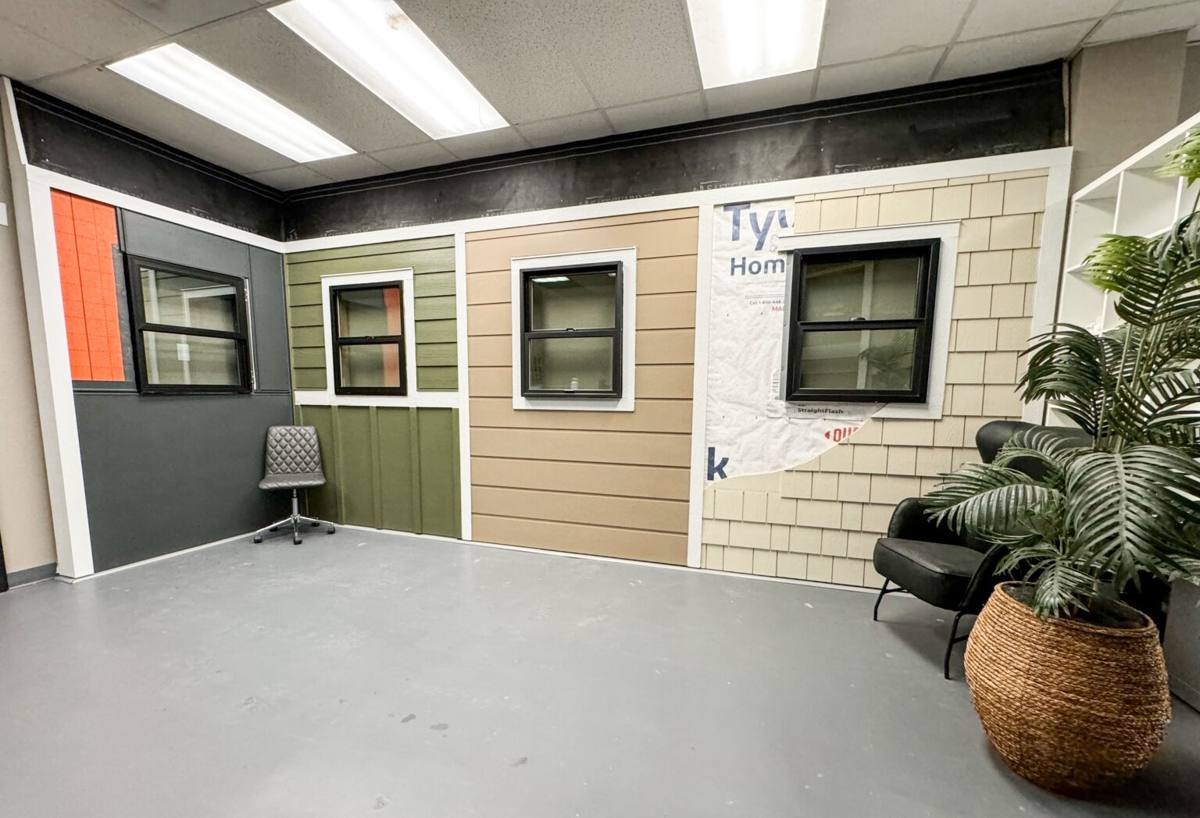
Signs a Ferndale Home Needs Window Replacement, Not Just Repair
Some window problems are cosmetic. Others mean water or air is getting somewhere it shouldn't. Worth a closer look if you're seeing:
- Fogging or a milky haze between the panes of double-pane glass — the seal has failed and the gas fill is gone
- Drafts you can feel by hand along the frame edges, even with the window latched shut
- Soft or discolored wood at the sill, jamb corners, or bottom rail — early wood rot
- Windows that are painted or swollen shut, or that need a shove to open and close
- Persistent moss, algae, or black staining on the sill or lower frame that comes back after cleaning
- Condensation collecting on the inside of the glass or pooling on the interior sill during colder months
- Energy bills that feel high relative to the size of the home, especially in rooms with older windows
Any one of these can sometimes be addressed with repair or reglazing. Several at once, or any sign of rot in the surrounding framing, usually means it's time to replace the unit rather than keep patching it.
What a Correct Window Replacement Actually Involves
It's Not Just Swapping the Sash
A proper replacement means pulling the old unit down to the rough opening — not just trimming out a new window over the old frame — so we can actually see what's happening underneath. That's where the real problems in this climate tend to hide: soft sheathing, gaps in the weather-resistive barrier, or flashing that was never installed correctly the first time. If we find hidden rot, we address it before the new window ever goes in, because sealing a new window over a damaged opening just buys a few years before the same problem resurfaces.
Flashing Is the Part That Actually Keeps Water Out
Given how much wind-driven rain this area sees, flashing integration is the single detail that determines whether a window lasts. That means a sloped sill pan that sheds water back out rather than letting it pool, flashing tape that ties properly into the weather-resistive barrier above and below the opening, and a sequence that respects how water is supposed to shingle down and out — not get trapped behind the siding. Sealant has a role, but it's a backup to good flashing, not a substitute for it. A window that's caulked heavily everywhere and flashed poorly will fail; it just takes longer to show.
Fit, Fasteners, and Finish
The window also has to be shimmed level and plumb, fastened per the manufacturer's instructions — which matters for keeping the product warranty intact, not just for a straight-looking window — and finished with interior and exterior trim that matches the rest of the home instead of looking like an obvious retrofit.
Choosing a Frame Material for This Climate
There's no single "best" frame material — each has real trade-offs, and the right call depends on the home, the budget, and how much upkeep you want to take on. Here's how the common options compare for a marine climate like Whatcom County's:
| Frame Material | Moisture & Salt Air Tolerance | Maintenance | Typical Cost |
|---|---|---|---|
| Vinyl | Very good — won't corrode or rot; UV can affect color over decades | Low — occasional cleaning | Lowest of the group |
| Fiberglass | Excellent — dimensionally stable, resists corrosion and moisture well | Low | Mid to upper range |
| Aluminum | Prone to pitting and corrosion in salt air unless well-coated; conducts cold | Moderate — watch for hardware corrosion | Mid range |
| Wood-clad | Good if the cladding stays intact, but any breach exposes wood to rot risk | Highest — finish and seams need regular attention | Highest |
We're upfront with clients that we lean toward vinyl or fiberglass for most Ferndale replacements, simply because they hold up with the least maintenance in a climate that gives moisture months at a time to find weaknesses. Wood-clad windows can still be the right call for a homeowner who wants that look and is willing to stay on top of the finish — it's a legitimate choice, just one with a bigger ongoing commitment.
Full-Frame Replacement vs. Insert Windows
Not every window needs the same approach. The choice usually comes down to the condition of the existing frame:
| Factor | Insert (Pocket) Replacement | Full-Frame Replacement |
|---|---|---|
| Best when | Existing frame is sound, square, and dry | Frame shows rot, is out of square, or siding is being replaced anyway |
| Disruption | Lower — works within the existing opening | Higher — opening is exposed down to the studs |
| Fixes hidden damage? | No — it seals in whatever condition the old frame is in | Yes — damage is found and repaired before the new unit goes in |
| Glass area | Slightly reduced vs. the original opening | Can match or maximize the original opening size |
Because we also work in siding, we're often looking at both at once — and if a home's siding is coming off in an area anyway, that's usually the smarter time to do a full-frame replacement rather than an insert, since the opening is already exposed.
How Our Process Works, Start to Finish
- On-site assessment of each window, including a look at the surrounding siding, trim, and any signs of moisture damage
- Measurements and a walkthrough of frame material, glass, and insert-vs-full-frame options based on what we find
- Permitting handled on our end where the local jurisdiction requires it
- Removal of the old unit and inspection of the rough opening, with any rot or sheathing damage repaired before install
- Installation with proper sill pan flashing, WRB integration, and manufacturer-spec fastening
- Sealing, interior/exterior trim, and finish work to match the home
- Final walkthrough with the homeowner and full cleanup of the work area
Energy Performance and Code Considerations Here
In a marine climate like this, a window's U-factor — how well it resists heat loss — generally matters more day to day than solar heat gain control, since Whatcom County doesn't deal with the intense direct-sun heat load that drives window choice in hotter regions. That said, south- and west-facing rooms still benefit from a reasonable balance of both. Washington's state energy code sets minimum performance requirements for most replacement windows, and we make sure whatever's installed meets or beats that baseline. If a bedroom window is being replaced, we also confirm it meets current egress requirements for size and opening clearance — an easy detail to overlook but one that matters for both safety and resale.
What to Ask Before Hiring a Window Contractor in Ferndale
A quick checklist worth going through with any contractor you're considering:
- Are they licensed and insured to do this work in Washington State?
- Are their installers certified by the window manufacturer, and will that certification keep the product warranty intact?
- Can they explain, specifically, how they'll flash and seal the opening — not just "we'll caulk it"?
- Do you get a written scope of work before anything starts?
- Is labor covered by a separate warranty from the manufacturer's product warranty?
- Do they have real experience working in this area, with its rain and salt-air exposure?
- Do they have a realistic plan for weather delays, given how much of the year sees rain here?
Why It Helps to Hire a Crew That Already Works Ferndale
A window installed exactly to spec in a dry inland climate can still fail here if the crew doesn't account for wind-driven rain and salt air in how they flash and seal it. A crew that already works Ferndale and the greater Bellingham area knows which walls take the worst weather exposure, understands why moss season affects both timing and drainage detailing, and — because we also do siding — we're used to making sure the window and the siding around it work together as one water-shedding system instead of two separate jobs that happen to meet at the same wall.
If you're dealing with drafty, foggy, or hard-to-operate windows anywhere in Ferndale, we're glad to take a look and give you a straight, no-pressure assessment of what's actually going on and what it would take to fix it. Use the form below to request a free estimate.