 Bellingham Siding
 Happy Valley's Roofing Challenge: Rain, Salt Air, and Moss
Happy Valley sits close enough to Bellingham Bay that salt-laden air reaches the neighborhood's older tree-lined streets and newer infill lots alike. Combine that with Whatcom County's long wet season — months of low-intensity drizzle punctuated by driving, wind-blown rain off the Sound — and you get a roofing environment that punishes shortcuts. Add the mature tree canopy common through Happy Valley's residential blocks, and moss growth becomes a near year-round concern rather than a seasonal nuisance.
A roof built for this neighborhood has to do three things well: shed wind-driven rain without relying on gravity alone, resist the slow corrosion that salt air causes on unprotected metal, and stay clean enough of moss and organic debris that trapped moisture never gets a foothold under the roofing material. Metal roofing, installed correctly, checks all three boxes — but "installed correctly" is doing a lot of work in that sentence, and it's where most of the problems we get called out to fix actually start.
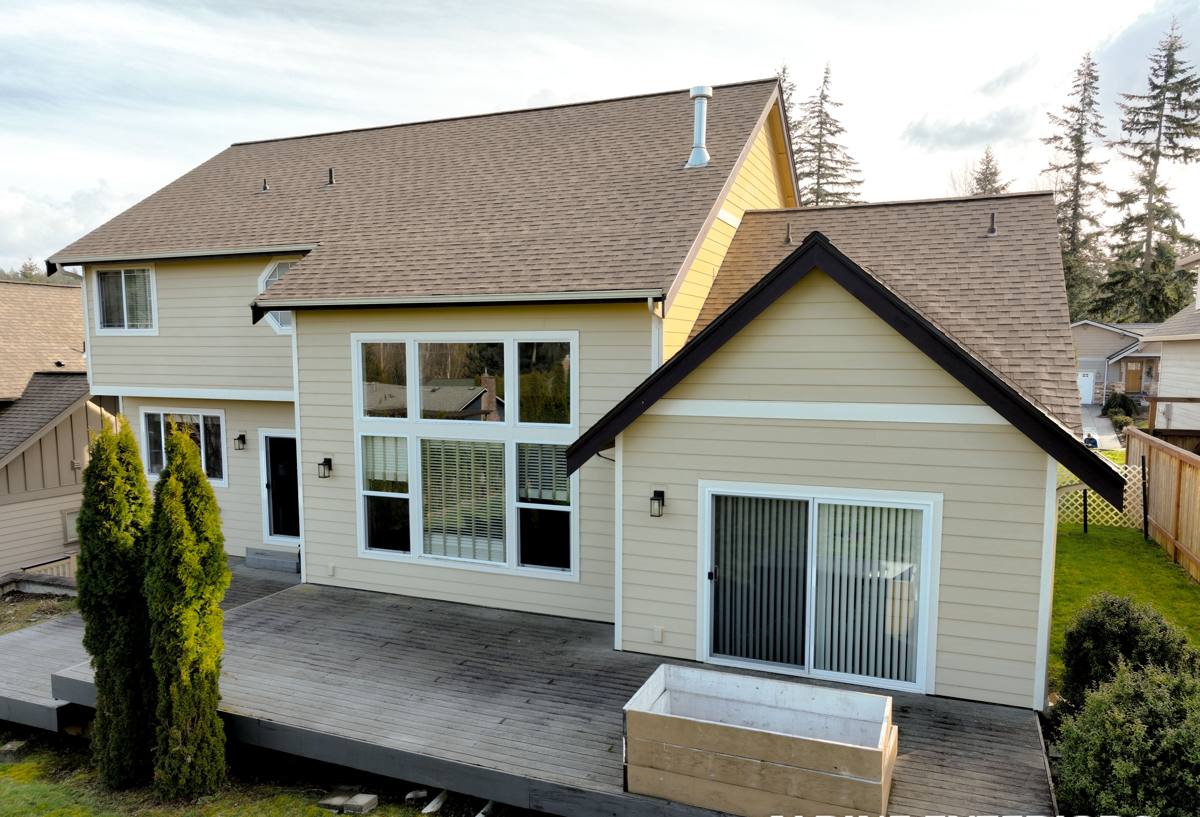
Why Metal Roofing Fits Happy Valley Homes
Metal roofing isn't the right choice for every home or every budget, but for Happy Valley's climate profile it has real advantages over other roofing types:
- Steep water shedding. Metal panels move water off the roof fast, which matters when driving rain is coming in at an angle instead of falling straight down.
- Low organic surface. Moss and moisture-loving growth have a much harder time gripping smooth metal than they do a shingle's granular surface, which slows moss colonization even under tree cover.
- Long service life when coated properly. A quality factory finish on steel or aluminum panels is built to handle decades of coastal exposure without repainting.
- Lower long-term maintenance than asphalt shingles, which lose granules and become more moss-prone as they age.
None of that is automatic, though. A poorly detailed metal roof can trap moisture, corrode at cut edges, or leak at penetrations faster than a well-installed asphalt roof would. The material is only as good as the installation underneath it.
Standing Seam vs. Exposed-Fastener Panels
Homeowners researching metal roofing usually run into two main panel types. Both have a place, but they behave very differently over time in a wet, salt-air climate.
Standing Seam
Standing seam panels use concealed clips and interlocking seams — no exposed screws penetrating the panel face. This is our default recommendation for Happy Valley homes because there's no fastener for salt air and rain cycling to work loose or corrode over the decades. Panels can also expand and contract with temperature swings without stressing the fasteners, since the clips allow for that movement.
Exposed-Fastener (Corrugated / Ribbed) Panels
These are installed with screws driven through the panel face into the roof deck, each with a rubber washer to seal the hole. They cost less upfront and are a reasonable option for detached garages, shops, or budget-driven projects. The trade-off is that every one of those washers is a wear item — they harden and shrink with UV and weather exposure over 10-15 years, and a neglected exposed-fastener roof in a rainy climate will eventually leak at the fasteners, not the panels themselves.
| Factor | Standing Seam | Exposed-Fastener |
|---|---|---|
| Upfront cost | Higher | Lower |
| Fastener maintenance | None — fasteners are concealed | Washers need periodic inspection/replacement |
| Best fit | Primary residences, long-term ownership | Outbuildings, budget-conscious projects |
| Expected lifespan before major service | 40-70 years | 25-40 years, fastener-dependent |
What a Correct Metal Roof Installation Involves
The panels get the attention, but the layers underneath them and the details around them determine whether the roof performs in Happy Valley's weather.
Underlayment
A synthetic, high-temperature underlayment goes down first as the roof's real waterproofing backup. In a climate where wind can drive rain sideways under panel laps, this layer isn't optional — it's what protects the deck if water ever gets past the metal.
Flashing and Penetrations
Valleys, chimneys, vents, and wall-to-roof transitions are where the vast majority of roof leaks actually start, on metal or any other material. Flashing has to be formed and lapped correctly, sealed with compatible sealants, and tied into the underlayment — not just caulked over and hoped for.
Fastening and Panel Layout
Panel runs need to be laid out so laps shed water with the prevailing wind and rain direction, and clips or fasteners need to be spaced to the manufacturer's engineering, not "close enough." Cut panel edges get sealed or capped, since bare cut steel is the first place corrosion starts in salt air.
Ventilation
Metal roofs need a ventilated air gap or proper attic ventilation so moisture from the living space doesn't condense against the underside of cold metal panels. Skipping this is a common cause of hidden deck rot on metal roofs that otherwise look fine from the ground.
Moss and Debris: Long-Term Care Considerations
Tree cover through Happy Valley means gutters, valleys, and roof-to-wall junctions collect needles, leaves, and moss spores. On a metal roof, this debris rarely causes moss to root directly on the panels the way it does on shingles — but it can dam water at valleys and behind chimneys, and that standing water is what eventually finds a way past even good flashing. Keeping valleys and gutters clear, and trimming back branches that overhang the roofline, matters more for long-term performance than most homeowners expect.
Our Process for Happy Valley Roof Projects
- On-site assessment. We look at the existing roof, deck condition, ventilation, and how water currently moves across the roof and through the gutters before recommending anything.
- Panel and system selection. Based on the home, budget, and how long you plan to own it, we walk through standing seam versus exposed-fastener honestly, including the maintenance trade-offs above.
- Tear-off and deck inspection. Old roofing comes off and the deck gets checked for rot or soft spots before anything new goes down — this is where hidden moisture damage from a prior roof usually shows up.
- Underlayment and flashing. Installed to manufacturer spec, with extra attention to valleys, penetrations, and wall transitions given our rain patterns.
- Panel installation. Laid out and fastened for correct water-shedding direction and proper expansion allowance.
- Final walkthrough. We go over the finished roof, gutters, and any maintenance points specific to your property.
Cost Factors to Expect
Every roof is different, but the main variables that move a metal roofing estimate up or down are consistent from project to project.
| Factor | Why It Matters |
|---|---|
| Roof complexity | More valleys, dormers, and penetrations mean more flashing labor and material |
| Panel system | Standing seam runs higher than exposed-fastener due to labor and clip hardware |
| Deck condition | Rot or soft decking found during tear-off adds repair cost before installation continues |
| Roof pitch and access | Steep or hard-to-access roofs require more setup and safety equipment |
| Existing layers | Removing old roofing versus roofing over it (when code allows) changes labor scope |
We give a written, itemized estimate before any work starts, so you can see exactly what's driving the number.
Why a Local Crew That Knows Happy Valley Matters
A roofing crew that regularly works Happy Valley and the surrounding Bellingham neighborhoods has already seen how the local rain patterns, tree cover, and salt air affect roofs on homes similar to yours. That translates into practical decisions — where extra flashing attention pays off, which panel finishes hold up best this close to the water, how much roof ventilation a Whatcom County attic actually needs. It also means we're a known, reachable crew if you ever have a question after the job is done, not a company that installed a roof once and moved on to the next county.
Maintenance Checklist for Your New Metal Roof
- Clear leaves, needles, and debris from valleys and gutters at least twice a year, more often under heavy tree cover
- Trim back overhanging branches so they don't scrape panel finishes or drop debris directly onto the roof
- Have exposed-fastener roofs inspected for washer wear every few years
- Check that gutters and downspouts are draining freely, especially before the wettest months
- Look (or have us look) for any scratched or bare metal at cut edges and touch up promptly to prevent corrosion
- Confirm attic or under-panel ventilation isn't blocked by insulation or debris
If you're weighing a metal roof for a Happy Valley home, we're happy to take a look and walk you through what your specific roof actually needs — no pressure, no upsell. Reach out for a free estimate using the form below.