 Bellingham Siding
 Why Sehome Homes Need Windows Built for This Climate
Sehome sits close enough to Bellingham Bay that salt-laden air is a real factor in how exterior materials age, and it's elevated and tree-canopied enough that homes here also deal with heavy shade, moss, and the kind of driving, wind-blown rain that comes in sideways off the water during a fall or winter storm. Older wood or aluminum-frame windows in this neighborhood tend to show it first at the corners and sills — soft wood, foggy double-pane glass, frames that no longer seat tightly enough to stop drafts. None of that is unusual for a Whatcom County home built before energy codes tightened up. It's just what this climate does to windows over 20-30 years, and it's why window replacement here is as much a moisture and air-sealing project as it is an energy upgrade.
Bellingham's marine climate means we don't get extreme heat or cold most years, but we get months of sustained dampness. A window that isn't sealing and draining correctly won't fail from a single storm — it fails slowly, from repeated wetting and drying cycles that never fully finish drying before the next system rolls through. That's the specific problem a correct window replacement in Sehome has to solve.
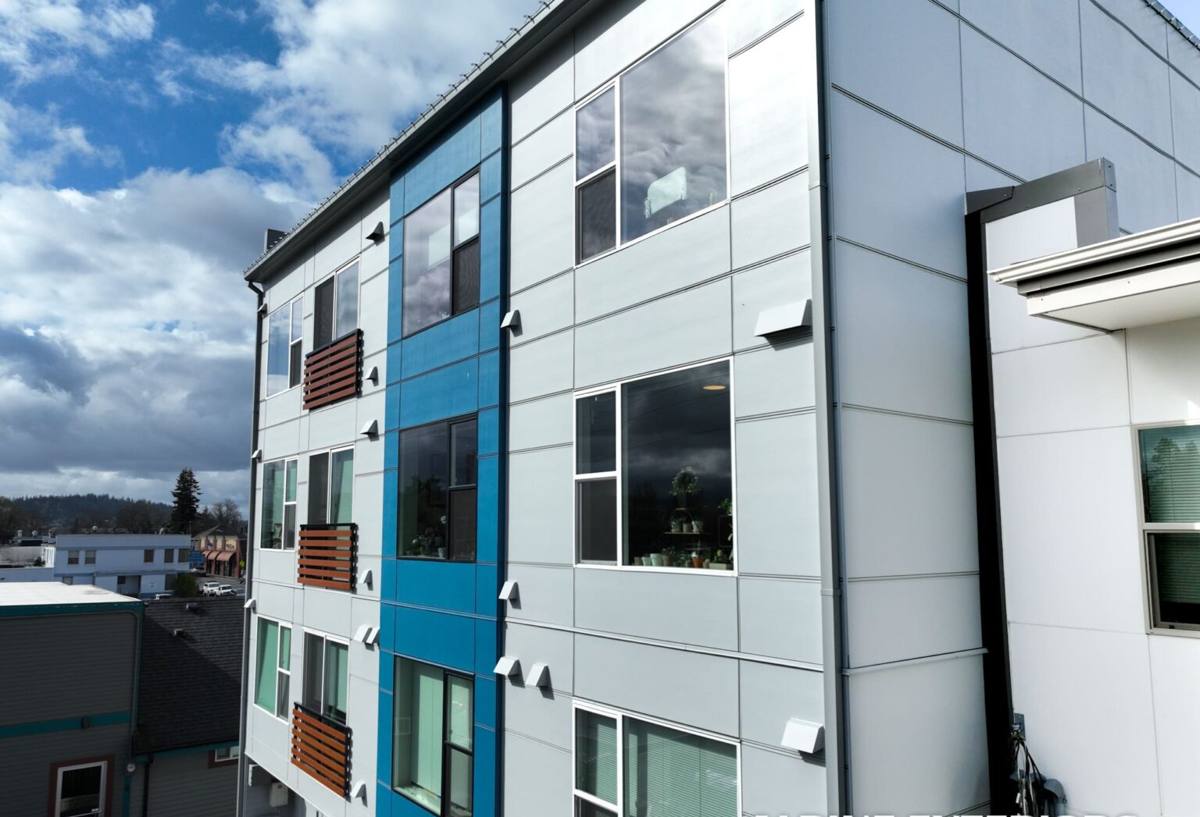
What "Energy-Efficient" Actually Means for a Bellingham Home
The term gets used loosely in this industry, so it's worth being specific about what actually matters for a house in this part of Washington.
U-Factor: How Much Heat Escapes
U-factor measures how well a window resists heat transfer — lower is better. For our climate zone, we look for U-factors in the 0.27-0.30 range or better on standard vinyl and fiberglass units. This is the number that most directly affects your winter heating bill, since Bellingham's heating season runs long even if it's rarely severe.
Solar Heat Gain Coefficient (SHGC)
SHGC measures how much solar heat passes through the glass. In sunnier climates you want this low to block heat; here, because we get so little direct winter sun and mild summers, a moderate SHGC often works better — you actually want some passive solar warmth on the clear days we do get, without overheating a south-facing room in July.
Air Infiltration Rating
This measures how much air leaks through the window assembly itself, independent of the glass. It matters as much as U-factor in a place with as much wind-driven rain as Sehome sees, because a window with a poor infiltration rating is also usually a window that lets water past the weatherstripping in a storm.
Signs Your Sehome Home's Windows Are Underperforming
Most homeowners call us after noticing one or two of these, not because they've been tracking energy bills line by line. If you're seeing several of the items below, it's worth having the windows looked at before the next wet season:
- Visible condensation or fogging between the panes of a double-pane window (means the seal has failed)
- Cold drafts near the frame even with the window latched shut
- Soft, dark, or peeling wood at the sill or lower corners
- Visible moss or green growth on the frame or sill exterior
- Difficulty opening, closing, or latching the window
- A noticeable temperature difference standing near the window versus mid-room
- Street or neighbor noise that seems louder than it should be for the distance
- Higher heating bills without a clear reason, especially in rooms with older windows
Window Types and Materials — What Holds Up Here
We install a range of window products, and the right choice depends on the home's age, exposure, and budget more than any single "best" answer. Here's how the common options compare for a Sehome home specifically:
| Material | How It Handles Salt Air & Rain | Maintenance | Typical Fit |
|---|---|---|---|
| Vinyl | Doesn't corrode or rot; performs well in coastal air | Low — occasional cleaning | Most homes; best value for energy performance |
| Fiberglass | Very stable in temperature swings and moisture; excellent long-term durability | Low | Homes wanting a higher-end, longer-lifespan option |
| Wood-clad (vinyl or aluminum exterior) | Good if the cladding and flashing are done right; interior wood still needs protection from condensation | Moderate | Homes wanting a traditional wood interior look |
| Solid wood | Most vulnerable to our wet, mossy conditions without disciplined upkeep | High | Historic homes where matching original detail matters more than low maintenance |
| Aluminum (older style) | Conducts cold and can corrode near salt air over time | Low, but poor energy performance | Generally what we're replacing, not installing |
For most Sehome homes we recommend vinyl or fiberglass, simply because they don't give moisture and salt air anything to work on over the decades. If your home has a wood-clad or historic look you want to preserve, that's absolutely doable — it just means being upfront that the exterior cladding and flashing details carry more of the weather-resistance job, since the material itself is less forgiving of installation mistakes.
The Installation Details That Actually Matter
The window unit itself is maybe half the job. In a climate with this much sustained rain, how the window is installed determines whether it performs for 25 years or starts leaking within five.
Flashing and Water Management
Every window opening needs a drainage path built in — a sloped sill pan, properly lapped flashing tape, and a weather-resistive barrier integrated so that any water that gets behind the trim has somewhere to go besides your wall framing. This is the single most common thing we find done wrong on older or budget installs in this area, and it's usually invisible until there's already rot behind the wall.
Air Sealing Without Trapping Moisture
We seal the interior air gap to stop drafts, but we don't seal the exterior in a way that traps moisture inside the wall cavity. The assembly needs to be able to dry outward if any moisture does get in — this is a balance a lot of quick installs skip.
Sizing and Fit
A replacement window that's slightly undersized and shimmed heavily, or oversized and forced into an opening, creates stress points and gaps that fail faster under repeated wet-dry cycling. We measure and order to the actual opening, not a standard size.
Our Process From Estimate to Cleanup
1. On-Site Assessment
We look at each window individually — frame condition, sill condition, any signs of past water intrusion — because a house this age in Sehome rarely needs identical treatment on every window.
2. Straightforward Proposal
You get a written proposal listing window brand, model, glass package, and installation scope per opening, so you know exactly what you're buying and can compare it against other bids line by line.
3. Precise Measurement and Ordering
Windows are ordered to the actual opening dimensions after final measure, not estimated at the proposal stage, to avoid on-site surprises.
4. Installation With Proper Flashing
Old windows come out, openings get inspected for hidden damage before anything new goes in, and flashing/sealing is done to the standard described above — not just caulked and trimmed.
5. Walkthrough and Cleanup
We walk the finished work with you, operate every window, and clean up debris and packaging before we leave.
What Drives Cost on a Sehome Window Project
Every home is different, but the same handful of factors move the price up or down on most projects we quote in this neighborhood:
| Factor | Why It Matters |
|---|---|
| Number of openings | Straightforward — more windows, more material and labor |
| Window size and configuration | Large picture windows or custom shapes cost more than standard double-hungs |
| Frame condition | Rotted sills or framing found during removal add repair scope |
| Material choice | Vinyl is typically the most budget-friendly; fiberglass and wood-clad cost more |
| Glass package | Upgraded low-E coatings or triple-pane glass raise cost but improve performance |
| Access and story height | Second-story or hard-to-reach windows take more time and equipment |
We give an honest range during the estimate rather than a single number that changes later — if we find rot or framing damage once the old window is out, we'll show you before proceeding, not after.
Why a Crew That Already Works in Sehome Matters
A window installer who works across all of Whatcom County has seen a lot of houses, but a crew that regularly works Sehome specifically knows the pattern of problems that show up in this neighborhood's housing stock — the era of construction most common here, how the tree cover and elevation change moisture exposure block by block, and what a correctly weathered install actually needs to hold up against wind off the bay. That local repetition is what lets us spot a bad flashing detail or a frame that's further gone than it looks before it becomes your problem two winters from now.
Maintenance After Installation
New windows still need a small amount of upkeep to get full value out of them, especially in a climate that stays damp for months at a time:
- Clean weep holes (drainage openings) in the frame at least once a year so water can escape properly
- Wipe down tracks and sills periodically to prevent moss and algae buildup
- Check exterior caulking annually, particularly after a hard storm season
- Operate every window a few times a year, even ones you rarely open, to keep hardware and seals working
If you're noticing drafts, fogging, or sticky frames on a Sehome home, we're happy to take a look and give you a straightforward assessment of what's actually needed. Fill out the form below for a free, no-pressure estimate.