 Bellingham Siding
 Siding That Has to Work in a Marine Climate, Not Just Look Good
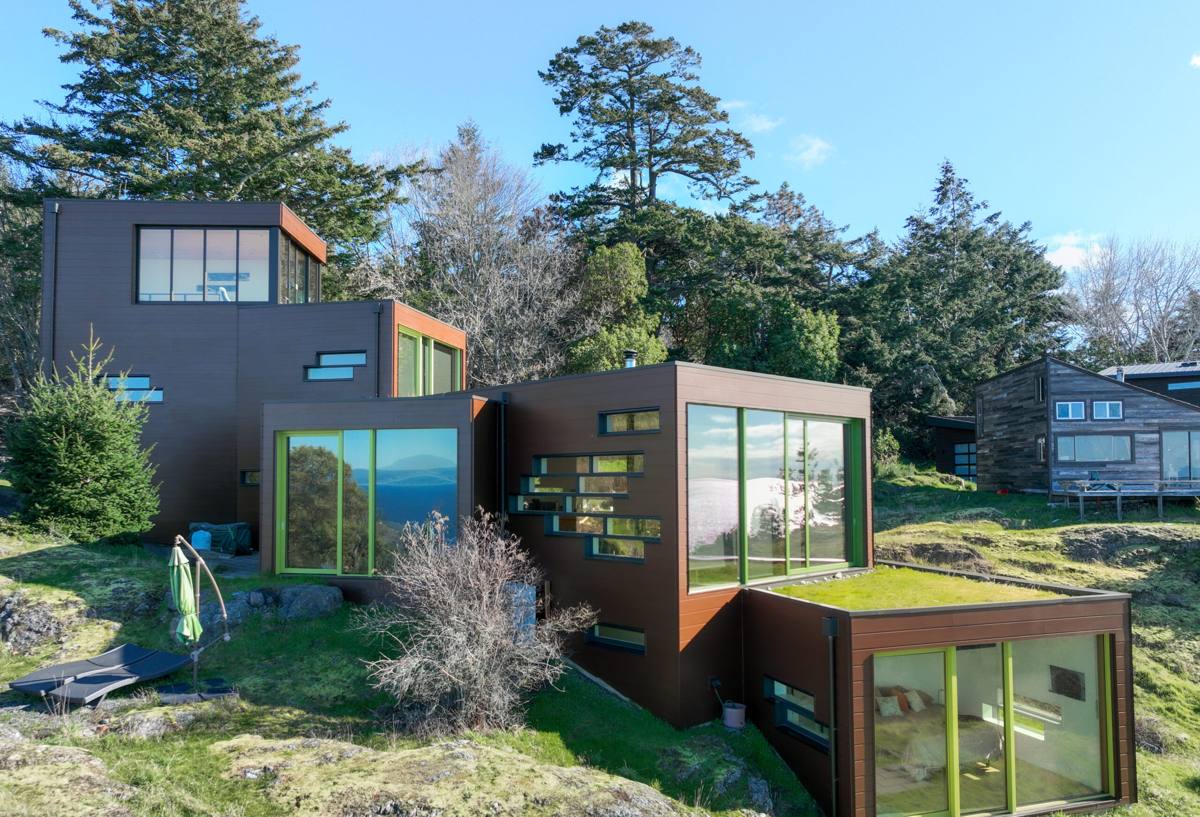
Homes in the Puget area of Bellingham sit close enough to Bellingham Bay and the greater Puget Sound that the siding on a house isn't just a design choice — it's a piece of weatherproofing equipment. Salt-laden air moves off the water, driving rain comes in sideways during fall and winter storms, and the shaded, damp conditions that persist for much of the year give moss and algae every advantage they need. Whatcom County's climate is mild compared to a lot of the country, but "mild" doesn't mean easy on a house. It means constant, low-grade moisture exposure for months at a stretch, which is a harder test for exterior materials than the occasional hard freeze or heat wave other regions deal with.
We install fiber cement siding in and around Puget because it's one of the few claddings that holds up to that combination of salt, moisture, and shade without turning into a maintenance project every couple of years. This page covers what that actually means for a home in this area — the material, the installation details that matter here, and what our process looks like from first estimate to finished siding.
What Salt Air, Driving Rain, and Moss Season Actually Do to Siding
Three regional factors show up again and again when we inspect homes in the Puget neighborhood and nearby parts of Bellingham:
Salt Air
Airborne salt from the Sound settles on exterior surfaces and accelerates corrosion of exposed metal fasteners and trim, and it can degrade paint finishes faster than it would inland. Siding with a weak factory finish, or siding installed with the wrong fasteners, shows this wear first — chalking, fading, and rust streaks well before the material itself has reached the end of its life.
Driving Rain
Wind-driven rain doesn't just hit a wall — it gets pushed sideways and upward into laps, seams, and penetrations. Siding systems that rely on caulk alone to keep water out, rather than proper lap geometry, flashing, and a drainage plane behind the cladding, eventually let moisture behind the wall. Once that happens, the sheathing and framing are at risk long before anyone sees a problem from the curb.
Moss and Algae Growth
Long stretches of overcast, damp weather — especially on north-facing walls and areas shaded by mature trees, which are common in this part of Bellingham — create ideal conditions for moss and algae to take hold. Porous or absorbent siding materials give moss something to grip and feed on. Dense, factory-finished fiber cement gives it a much harder surface to colonize, and what does grow rinses off far more easily.
Why We Install Only James Hardie Fiber Cement Here
We don't install vinyl, LP SmartSide, Cemplank, Allura, or unfinished wood siding like primed spruce or cedar. That's a deliberate standard, not a lack of options, and it comes down to how those products perform specifically in a wet, salt-exposed, moss-prone climate like this one:
- Vinyl can warp or become brittle with temperature swings and UV exposure over time, and its seams and J-channels give moisture a path to collect rather than shed.
- LP SmartSide is an engineered wood product — it performs well when installation and maintenance are perfect, but any gap in caulking, paint, or flashing lets moisture into the wood fiber, and swelling or edge deterioration follows.
- Cemplank and Allura are also fiber cement, and reasonable products in general, but we've standardized on one manufacturer so our crews, fasteners, flashing details, and warranty paperwork are consistent on every job — and Hardie's regional-specific HZ formulations and factory-applied ColorPlus finish are engineered for exactly the marine climate we work in.
- Primed spruce or raw cedar are natural wood products that require ongoing painting, sealing, and inspection to keep moisture out. In a climate with this much sustained dampness, that maintenance burden is real and it's easy to fall behind on.
James Hardie fiber cement is non-combustible, dimensionally stable in wet-dry cycles, and comes with a factory-baked ColorPlus finish that resists the fading and chalking that salt air and UV cause on field-painted surfaces. It's also backed by a strong transferable warranty when installed to Hardie's specifications — which is the other half of the equation, because the material only performs as well as the installation behind it.
What a Correct Fiber Cement Installation Involves
Tear-Off and Sheathing Inspection
We remove the old siding and inspect the sheathing underneath for rot, soft spots, or existing moisture damage — common on older homes in wet climates where a prior siding job trapped water behind it. Any damaged sheathing gets replaced before anything new goes up; covering a compromised wall with new siding just hides the problem.
Weather-Resistive Barrier and Flashing
A properly lapped weather-resistive barrier goes over the sheathing, with flashing integrated at every window, door, and penetration so water is directed out and down rather than into the wall assembly. This detail matters more in a driving-rain climate than almost anywhere else, since wind pushes water into gaps that would stay dry in a calmer climate.
Proper Fastening and Lap Lines
Hardie panels and lap siding need to be fastened per manufacturer spec — correct fastener type (to resist salt-air corrosion), correct spacing, and correct minimum overlap on each course. Under-lapped courses or the wrong fasteners are two of the most common shortcuts that lead to early callbacks.
Caulking, Trim, and Touch-Up Paint
Joints and trim get sealed with a caulk rated for the material and climate, and any field-cut edges are sealed or touched up with Hardie-matched product to protect the cut edge from moisture — a step that's easy to skip but important everywhere, and especially here.
Fiber Cement vs. Other Siding Options in a Marine Climate
| Factor | James Hardie Fiber Cement | Vinyl | Engineered Wood (LP SmartSide) | Raw Cedar / Primed Wood |
|---|---|---|---|---|
| Moisture resistance | Strong when installed to spec | Moderate; seams can trap water | Good if maintained; vulnerable if not | Requires ongoing sealing |
| Salt air / coastal durability | Engineered HZ lines for marine climates | Can chalk and become brittle over time | Finish wears faster near salt air | Finish demands frequent upkeep |
| Moss / algae resistance | Dense surface, factory finish, rinses clean | Smooth but seams collect debris | Wood fiber more prone to growth if damp | Natural wood is highly susceptible |
| Fire resistance | Non-combustible | Combustible | Combustible | Combustible |
| Typical maintenance | Occasional rinse, minimal repainting | Low, but limited repair options | Regular inspection and touch-up needed | Regular painting/sealing needed |
| Warranty | Strong transferable manufacturer warranty | Varies by manufacturer | Varies by manufacturer | Typically none beyond labor |
Our Process From Estimate to Finished Siding
- On-site walkthrough: we inspect current siding, trim, and any visible moisture damage, and talk through what's actually needed versus what's optional.
- Written estimate: a clear scope covering tear-off, sheathing repair allowances, Hardie product line and color, and timeline.
- Scheduling around weather: in a climate with this much rain, we plan installation windows carefully and protect open walls if weather shifts mid-job.
- Installation to manufacturer spec: proper flashing, fastening, lap lines, and caulking, not shortcuts that only show up as problems years later.
- Final walkthrough: we go over the finished work with you before calling the job done.
Keeping Fiber Cement Siding Looking Right in a Moss-Prone Climate
Fiber cement is low-maintenance compared to wood or vinyl, but "low-maintenance" isn't "no-maintenance" in a climate this damp. A short annual routine goes a long way:
- Rinse siding with a garden hose once or twice a year, focusing on shaded, north-facing walls where moss gets a head start.
- Trim back tree branches and shrubs that keep siding shaded and damp longer than the rest of the house.
- Check caulking around windows, doors, and trim annually and have gaps resealed before winter rains set in.
- Clear debris from window sills, ledges, and anywhere water can pool against the siding.
- Avoid pressure washing directly into seams or at close range — a gentle rinse is enough and won't force water behind the material.
Signs Your Current Siding Is Already Struggling
A few warning signs come up often on homes we inspect in this area, and they're worth catching early rather than waiting until a full wall is compromised:
- Soft or spongy spots when pressed, especially near the bottom courses or below windows
- Paint that's peeling or bubbling rather than just fading evenly
- Persistent moss or dark staining that comes back quickly after cleaning
- Visible warping, buckling, or gaps opening up at the seams
- A musty smell or moisture showing up on interior walls near exterior corners
Any of these can mean water has already found its way behind the siding, which turns a siding job into a siding-plus-sheathing job. Catching it early keeps the scope — and the cost — smaller.
Why It Matters to Hire a Crew That Already Works the Puget Area
Siding installation isn't identical everywhere. A crew that mostly works drier inland climates may not think twice about flashing details or fastener choices that matter here, because they've rarely had to. A crew that regularly works homes near Bellingham Bay and the rest of Whatcom County has already seen what salt air, driving rain, and moss do to siding installed without those details handled correctly — and builds every job around avoiding those specific failures from the start, rather than learning the hard way on your house.
If you're weighing a siding replacement for a home in the Puget area, we're happy to walk the property, look at what's there now, and give you a straight, no-pressure estimate for James Hardie fiber cement siding built for this climate. Use the form below to get started.