 Bellingham Siding
 Ferndale Roofs Take a Specific Kind of Beating
Ferndale sits close enough to Bellingham Bay and the open water of the Strait of Georgia that its roofs deal with a different mix of stress than homes further inland. Winter storms roll in off the water with sustained wind and driving rain that hits shingles sideways instead of straight down, which is exactly the angle roofing materials are worst at shedding. Add in a moss season that can run eight or nine months out of the year in the shade of Western Washington's tree cover, and you get a roof that's rarely dry long enough to fully recover between weather events.
None of this means Ferndale roofs are poorly built. It means storm damage here tends to show up as a combination of problems rather than one clean failure — a little wind lift here, a little moss-driven rot there, a clogged gutter backing water up under the drip edge. Repairing that correctly takes more than nailing down a loose shingle.
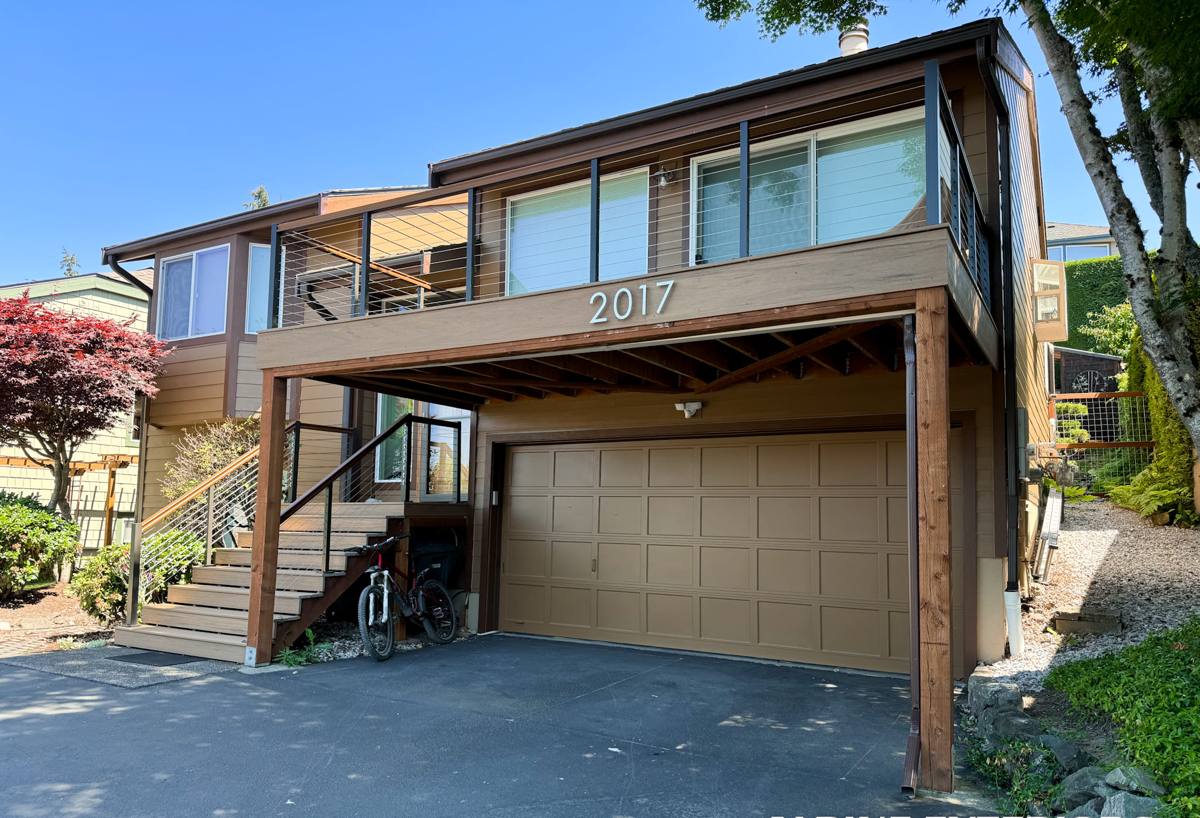
What Actually Counts as Storm Damage
Homeowners often assume storm damage means a hole in the roof or shingles scattered across the lawn. Most of the time it's quieter than that. The damage that costs the most if it's missed is usually the damage you can't see from the ground.
Wind-related damage
Sustained coastal wind doesn't just tear shingles off — it lifts the tabs, breaks the seal strip underneath, and lets the shingle drop back down looking almost normal. The seal doesn't reform on its own. Every hard blow after that works the shingle a little looser until water finally gets under it.
Water intrusion around penetrations
Flashing around chimneys, vents, and skylights takes the brunt of driving rain because it relies on lap and sealant rather than the shingle's natural water-shedding design. A storm can shift flashing just enough to open a gap without bending it visibly.
Impact damage
Fir and cedar are common on Ferndale lots, and storm-force wind brings down limbs. Even a glancing hit can crack a shingle's mat or crease the underlayment beneath it without punching all the way through — damage that looks minor but fails the first time water sits on it.
Moss-driven deterioration
Moss isn't storm damage on its own, but it changes how a roof handles a storm. Moss holds moisture against the shingle surface, lifts shingle edges as it grows, and directs runoff sideways instead of down and off the roof — which means storm water finds paths under the shingle that a clean roof wouldn't have.
What a Correct Storm Damage Repair Actually Involves
A repair that just replaces the shingles you can see is a temporary fix. Doing it right means checking everything the storm could have affected, not just the obvious damage.
- Inspect the decking underneath any damaged area for soft spots, delamination, or staining before replacing anything on top of it
- Check underlayment condition where shingles were lifted or removed — a torn or saturated underlayment needs replacing even if the shingles above it looked fine
- Re-seat and reseal flashing around chimneys, vents, and valleys rather than just caulking over the gap
- Match replacement shingles for profile, thickness, and color as closely as the existing roof allows
- Confirm gutters and downspouts are clear and pitched correctly, since backed-up water is what turns a small leak into rot
- Check for granule loss on shingles adjacent to the damaged area — heavy granule loss means those shingles are near the end of their service life even if they didn't fail this time
Skipping any of these steps is how a $400 repair turns into a $4,000 repair two winters later, once the decking underneath has had time to rot.
Storm Damage vs. Ordinary Wear — Knowing the Difference
Not every issue after a storm is storm damage, and not every roof problem in Ferndale is weather-related. Telling the difference matters for both the repair approach and, if it applies, an insurance claim.
| Sign | More likely storm damage | More likely age or wear |
|---|---|---|
| Missing shingles in a cluster or line | Yes — wind uplift pattern | Uncommon unless roof is already very old |
| Granule loss spread evenly across the whole roof | No | Yes — normal aging |
| Cracked or dented shingles near a tree | Yes — impact from limbs | Possible if branches rub in wind over time |
| Leak that started right after a named storm event | Yes | No |
| Slow leak that's been getting worse for months | No | Yes — likely wear, moss, or flashing fatigue |
| Curling shingle edges roof-wide | No | Yes — sun and age related |
This distinction is also why an honest inspection matters more than a fast one. Calling everything "storm damage" isn't doing you a favor if your insurer later disagrees, and calling real storm damage "just wear" leaves you paying out of pocket for something a claim should have covered.
Our Process, Start to Finish
1. Inspection and documentation
We walk the roof (or use a ladder and camera where a walk-on inspection isn't advisable) and document what we find with photos, noting which damage is consistent with recent weather versus pre-existing wear. This record is useful whether you're filing an insurance claim or just deciding how to budget the repair.
2. A plain-language explanation of what's needed
You get a written scope that separates "this has to happen now to stop water intrusion" from "this is wear you should plan for in the next year or two." We're not going to pad a storm repair with unrelated upsells.
3. The repair itself
Decking, underlayment, flashing, and shingles get addressed in that order — from the structure out — rather than just covering the visible damage. We use materials that match your existing roof as closely as possible so the repair doesn't stand out as a patch.
4. Cleanup and follow-up
Old material, nails, and debris get cleared from the roof and the ground around the house. If we're waiting on a specific shingle match or a permit, we tell you the timeline up front instead of leaving you guessing.
A Note on Insurance Claims
Many storm damage repairs in Whatcom County are at least partially covered by homeowners insurance, but coverage depends on your specific policy, deductible, and how the damage is classified. We're not insurance adjusters and won't tell you what your policy covers — that's between you and your carrier. What we can do is provide clear photo documentation and an honest, specific description of the damage and likely cause, which is exactly what most adjusters want to see when reviewing a claim.
Why a Crew That Already Works Ferndale Matters
Storm damage repair isn't a job where generic experience is enough. A crew that regularly works Ferndale and the surrounding Whatcom County area already knows what the wind exposure off Bellingham Bay does to shingle seals over time, how aggressively moss establishes itself under the tree cover common on local lots, and which roof details tend to fail first in this specific climate. That's the difference between a repair that's guessing and one that's informed by what actually happens to roofs here, year after year.
There's also a practical response-time argument. After a significant windstorm, roofing crews get busy fast, and homeowners who call a company with no local presence can end up waiting weeks for even a temporary tarp. A crew already working in the area can typically get eyes on active leaks sooner, which matters when water is actively getting into your attic or ceiling.
Post-Storm Roof Inspection Checklist
After any significant wind or rain event, it's worth doing a quick check from the ground and inside the house before damage has a chance to spread. This isn't a substitute for a professional inspection, but it helps you decide how urgent a call needs to be.
- Walk the yard and check for shingle pieces, granules in gutters, or fallen branches near the roofline
- Look at the roofline from ground level for shingles that appear lifted, torn, or missing
- Check attic spaces (if accessible) for new water stains, damp insulation, or daylight showing through the decking
- Look at ceilings and walls on upper floors for new discoloration or soft spots
- Check that gutters and downspouts are still attached and draining freely, not overflowing at one point
- Note the date and approximate weather conditions if you plan to file an insurance claim
If you find anything on that list, the safest move is a professional inspection rather than getting on the roof yourself, especially in wet conditions.
Get an Honest Look at What Your Roof Actually Needs
If your Ferndale home took a hit from a recent storm, or you just want a professional set of eyes on your roof before the next one rolls through, we're happy to come take a look. The estimate is free, there's no pressure to move forward, and you'll get a straight answer about what's storm damage, what's wear, and what can wait. The form below is the easiest way to get on the schedule.