 Bellingham Siding
 Fairhaven Roofs Face a Different Kind of Wear
Fairhaven sits close to Bellingham Bay, tucked against wooded, hilly terrain that shapes how weather hits a roof here. Homes in this part of Whatcom County deal with a combination that inland neighborhoods don't see as often: salt-laden air off the water, driving rain that comes in sideways during winter storms, and heavy tree cover that keeps roofs shaded and damp for long stretches of the year. None of that is dramatic on its own, but stacked together over years, it wears down flashing, shortens shingle life, and turns moss from a cosmetic nuisance into a real moisture problem.
A roof repair here isn't just patching a leak — it's addressing why that leak happened in the first place, given the specific conditions this neighborhood sits in. That's the difference between a fix that lasts one season and one that lasts ten.
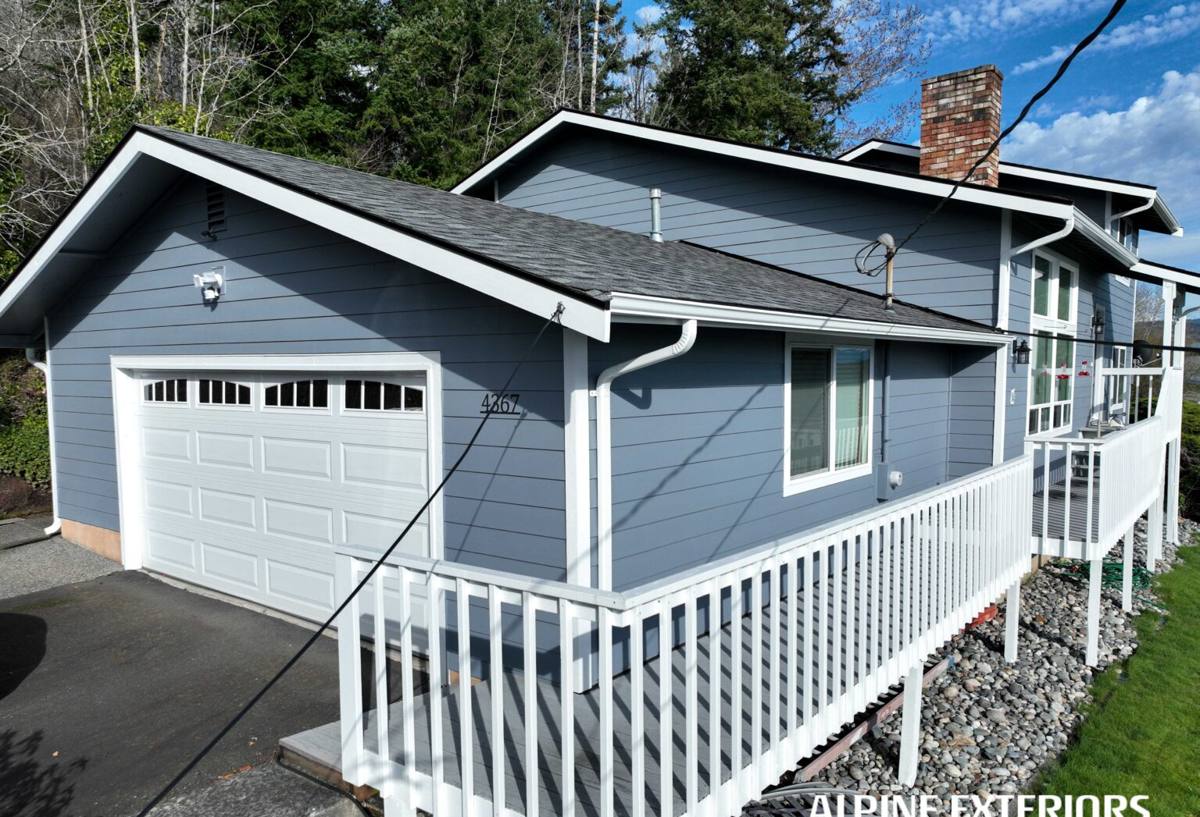
What Local Conditions Do to a Roof Over Time
Salt Air and Metal Fatigue
Roofs near Bellingham Bay are exposed to airborne salt that accelerates corrosion on exposed metal — flashing, fasteners, vent caps, and gutter hardware. Standard steel fasteners and untreated flashing corrode faster this close to the water than they would a few miles inland. When we're repairing a roof in Fairhaven, we pay close attention to what the existing flashing and fasteners are made of, because that's often where a "small leak" actually started.
Driving Rain and Wind-Driven Moisture
Storms coming off the water don't just fall straight down — wind pushes rain sideways and up under shingle edges, ridge caps, and flashing laps that would stay dry in a calmer climate. Roofs that were installed to a bare minimum standard, or repaired with a quick surface patch instead of proper lap and seal work, tend to fail first at these pressure points.
Moss, Shade, and Slow-Drying Surfaces
Tree cover and the marine layer common to this part of Whatcom County keep north-facing and shaded roof sections damp longer after every rain. That moisture holds moss and algae growth, which retains even more water against the roofing material and, over time, lifts shingle edges and traps moisture against the deck. Bellingham's long moss season — really most of the year here — means this isn't a one-time cleanup, it's an ongoing maintenance factor that has to be part of any real repair plan.
The Roof Problems We See Most Often in This Neighborhood
- Moss growth along shaded slopes and valleys, lifting shingles at the edges
- Corroded or failing flashing around chimneys, skylights, and roof-wall intersections
- Clogged or undersized gutters causing water to back up under the roof edge
- Wind-lifted or cracked shingles near ridgelines and exposed corners
- Soft or discolored decking where slow leaks went unnoticed under moss cover
- Aging roofs on Fairhaven's older housing stock where original materials and later patch repairs don't match or perform consistently
What an Honest Roof Repair Actually Involves
A proper repair starts with figuring out the real source of a problem, not just the spot where water is showing up inside. Water often travels along the deck or underlayment before it drips through a ceiling, so the visible stain and the actual failure point can be several feet apart. We look at the full section — flashing, underlayment condition, deck integrity, and ventilation — before deciding what actually needs to happen.
Diagnosis First
This means checking flashing seals, examining shingle condition beyond just the visibly damaged area, and, where necessary, opening up a small section to check the deck underneath for soft spots or rot. Skipping this step is how a homeowner ends up paying for the same repair twice.
Matching Materials and Technique
Repairs need to match the surrounding roofing in material, profile, and installation method — mismatched shingles or improperly lapped flashing create new weak points instead of fixing the old one. On older Fairhaven homes, this sometimes means sourcing shingles or metal profiles that reasonably match what's already there rather than an obvious patch.
Ventilation and Moisture Path
A repair that ignores attic ventilation is treating a symptom. Poor airflow traps moisture underneath the roofing, which speeds up moss regrowth and deck rot even after the visible leak is fixed. Part of a correct repair is confirming that intake and exhaust venting are actually doing their job.
Roofing Materials: How They Hold Up in Fairhaven's Climate
| Material | Local Performance Notes | Repair Considerations |
|---|---|---|
| Asphalt composition shingle | Most common; performs well with good ventilation and periodic moss treatment | Easiest to match and patch section-by-section if the roof isn't too far past its service life |
| Standing seam / metal roofing | Sheds moss and rain well but fasteners and flashing need corrosion-resistant hardware this close to the bay | Repairs require matching panel profile and proper sealant compatible with the coating |
| Cedar shake | Traditional look on some older neighborhood homes, but holds moisture and needs more frequent moss and rot monitoring | Individual shake replacement is possible but labor-intensive; deck condition underneath is critical to check |
| Low-slope / torch-down (additions, porches) | Common on additions and outbuildings; flat sections are the first place ponding and moss cause trouble | Seam and membrane condition matter more than surface patching |
Repair or Replace? How We Help You Decide
Not every roof problem calls for a full replacement, and we're not going to tell you it does. The honest questions we walk through with a homeowner are: how much of the roof's expected service life is left, how widespread is the moisture damage versus isolated to one section, and whether the deck underneath is still sound. A well-maintained roof with one failed flashing detail or a localized moss problem is usually a straightforward repair. A roof with multiple past patch jobs, soft decking in more than one area, or shingles that are broadly brittle and past their rated life is often more cost-effective to replace than to keep patching.
We'll give you that assessment straight, including when a repair is the right call even if a replacement would be a bigger job for us — because a repair that's done correctly, on a roof that has enough life left in it, is the better value for you.
Our Repair Process
- Inspection: We look at the problem area and the surrounding roof, plus attic access where possible, to find the actual cause.
- Clear estimate: You get a written scope of what needs to happen and why, in plain terms, before any work starts.
- Repair: Matching materials, correct flashing and lap technique, and attention to the moisture path — not just a surface patch.
- Cleanup and check: Debris and moss removed from the work area, and a final check that the repair ties in cleanly with the rest of the roof.
Moss and Debris Maintenance Between Repairs
Because of how long the moss season runs in this part of Washington, a repair holds up longest when it's paired with basic seasonal upkeep. This is maintenance a homeowner can largely stay on top of themselves, or have checked during a routine visit.
- Clear gutters and downspouts of needles and leaf debris at least twice a year, more often under heavy tree cover
- Remove moss buildup on shaded slopes before it thickens and lifts shingle edges
- Trim back overhanging branches to reduce shade and speed up drying after rain
- Check flashing around chimneys and skylights annually for early signs of corrosion or gaps
- Watch for granule buildup in gutters, which signals accelerated shingle wear
Why Hiring a Crew That Already Works Fairhaven Matters
Fairhaven's mix of older, character-rich homes and steeper, tree-covered lots means roofing work here often comes with access challenges and older materials that a crew unfamiliar with the neighborhood hasn't dealt with before. A contractor who already works this part of Bellingham knows what steep or shaded roof sections typically need, has a feel for how quickly moss returns given the local tree cover and marine air, and isn't guessing at how to match materials on an older home. That familiarity shows up in fewer surprises and repairs that are scoped accurately the first time.
It also matters for straightforward logistics — site access on narrower or hillier lots, coordinating around Fairhaven's mix of residential and mixed-use buildings, and understanding which roof sections in this neighborhood tend to fail first because we've already seen the pattern.
Get a Straight Answer on Your Roof
If you're dealing with a leak, visible moss buildup, or just want a second opinion on whether a repair or replacement makes more sense, we're glad to take a look. Fill out the form below for a free, no-pressure estimate — we'll tell you honestly what your roof needs and why.