 Bellingham Siding
 Roof Repair Built for Edgemoor's Waterfront Climate
Edgemoor sits close to Bellingham Bay, tucked under a heavy tree canopy that gives the neighborhood its character — and gives its roofs a harder job than most. Salt-laden air off the water, driving rain that comes in sideways during winter storms, and a moss season that can run eight months or longer all work against asphalt, wood, and metal roofing in ways that inland Whatcom County homes simply don't deal with as much. A roof repair here isn't just about patching a leak; it's about understanding why that leak started in the first place and whether the same conditions will cause it again next season.
We work on roofs throughout Bellingham, but Edgemoor's mix of mature trees, bay-facing exposure, and older housing stock means repairs here call for a slightly different eye. This page covers what actually goes wrong on Edgemoor roofs, what a correct repair looks like, and how to think about repair versus replacement before you spend money either way.
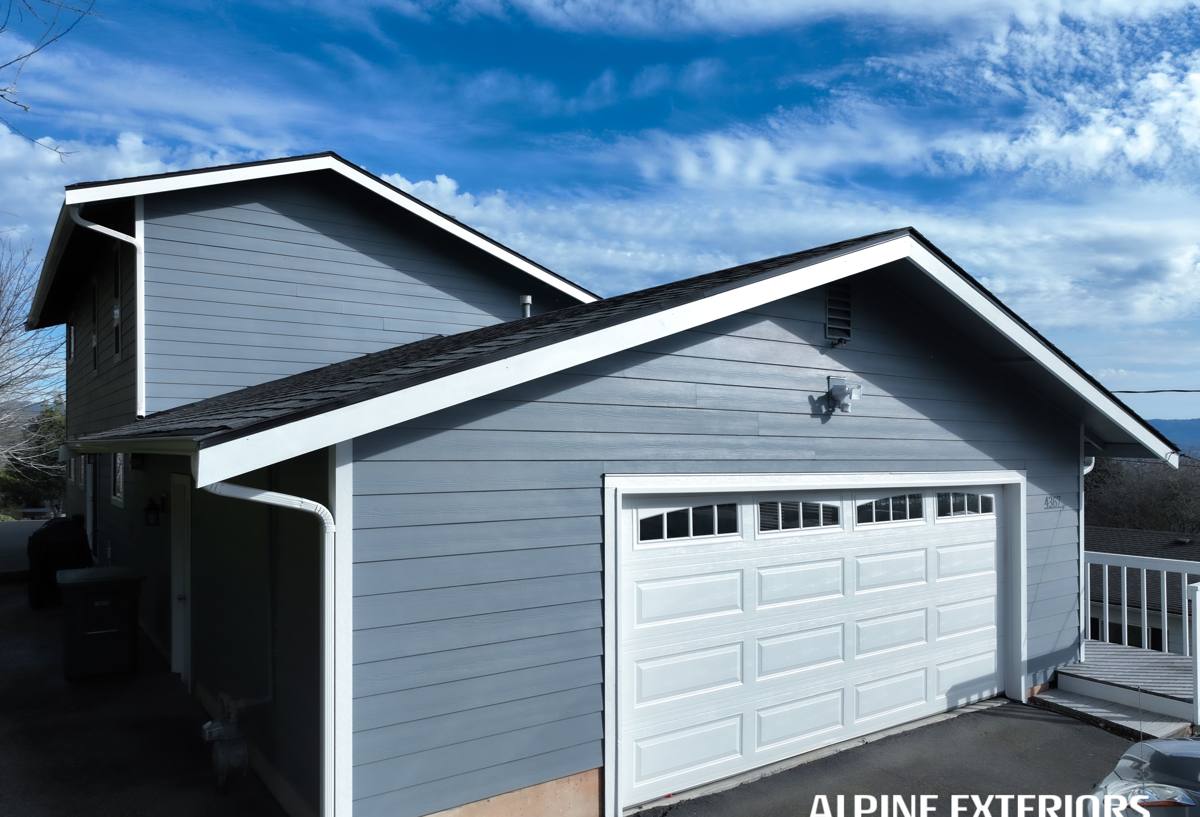
Why Edgemoor Roofs Wear Differently
Three conditions combine on Edgemoor roofs more than almost anywhere else in Bellingham:
Salt Air and Corrosion
Homes closer to Bellingham Bay get a steady, low-level exposure to salt-carrying air. Over years, that accelerates corrosion on exposed metal — flashing, nail heads, gutter hardware, and vent caps in particular. A roof that looks intact from the ground can have flashing seams or fastener heads that have quietly corroded enough to let water in, especially around chimneys, skylights, and roof-to-wall transitions.
Driving Rain
Storms coming off the water don't just fall straight down — they push rain sideways under shingle edges, into vent boots, and through any flashing gap that would stay dry in a calmer climate. This is why so many "mystery leaks" trace back to flashing and edge details rather than the field of the roof itself.
Moss and Shade
Edgemoor's tree cover keeps roofs shaded and damp longer after every rain, which is exactly what moss and algae need to take hold. Moss doesn't just look bad — its root structure lifts shingle edges and holds moisture against the roofing material, which speeds up granule loss and rot in the decking underneath. In a neighborhood with heavy canopy, moss control is part of any real roof maintenance plan, not an optional extra.
Signs Your Edgemoor Roof Needs Attention
Most roof problems give warning signs well before they become emergencies. Homeowners in this neighborhood should watch for:
- Moss or thick algae growth, especially on north-facing slopes or areas shaded by trees
- Granules collecting in gutters or at downspout outlets
- Dark streaks, stains, or soft spots on interior ceilings, particularly after a windy rainstorm
- Curling, cracked, or lifted shingle edges
- Rust streaking below metal flashing or vent caps
- Visible gaps or separation where the roof meets a chimney, skylight, or dormer wall
- Sagging sections, which can indicate decking that has absorbed moisture over time
- Debris buildup — needles, leaves, and branches — sitting in valleys instead of washing off
Any one of these on its own might be minor. Several together, or anything involving interior staining, usually means it's time for a closer look before the next storm.
What a Proper Roof Repair Actually Involves
A repair that's done right addresses the cause, not just the symptom. Slapping sealant over a visible gap might stop a drip for a season, but if the underlying flashing has failed or the decking underneath is already wet, the leak comes back — often somewhere else on the roof, which makes it harder to diagnose the second time. A proper repair generally includes:
- Tracing the leak to its actual entry point, which is often several feet from where the stain shows up inside
- Checking the condition of the decking underneath any removed shingles or flashing before replacing anything
- Replacing corroded or failed flashing rather than resealing it, since sealant over corroded metal is a short-term fix
- Matching shingle or roofing material as closely as possible so the repair doesn't stand out or create a new weak seam
- Clearing moss and debris from the surrounding area so the repair isn't immediately undermined by the same conditions that caused the original damage
Moss Removal: Doing It Without Damaging the Roof
Moss removal is one of the most commonly mishandled repairs we see. Pressure washing strips granules and shortens the life of asphalt shingles, and aggressive scraping can lift or tear roofing material that's already brittle from age or sun exposure. The safer approach is a combination of gentle physical removal, appropriate treatment to slow regrowth, and — where it's practical — trimming back overhanging branches so the roof gets more light and air movement. None of this eliminates moss permanently in a neighborhood with this much tree cover, but it extends the time between treatments and reduces the chance of moss-related rot setting into the decking.
Repair or Replace? How to Think About It
Not every roof problem in Edgemoor calls for a full replacement, and not every leak is fixable with a patch. The right call usually comes down to the roof's age, how widespread the damage is, and what condition the decking is in underneath the surface material.
| Factor | Leans Toward Repair | Leans Toward Replacement |
|---|---|---|
| Roof age | Under 15–20 years, most of roof still sound | At or beyond expected material lifespan |
| Extent of damage | Isolated to one section, flashing, or penetration | Multiple leaks or widespread granule loss |
| Decking condition | Dry, solid decking under the affected area | Soft, rotted, or repeatedly wet decking |
| Moss/algae history | First occurrence, manageable with treatment | Chronic moss with visible shingle lifting across large areas |
| Storm damage | Localized wind or debris damage | Damage across multiple slopes or structural concerns |
When a roof falls into a gray area, we'll say so plainly. There's no benefit to either of us in replacing a roof that has years of honest life left, and no benefit in patching something that's going to keep failing.
Our Roof Repair Process
- Inspection: We look at the roof itself, the attic or interior space below if there's a leak, and the surrounding trees and drainage that may be contributing to the problem.
- Honest assessment: We explain what we found, what's causing it, and whether repair or replacement makes sense — in plain terms, not sales language.
- Written scope and estimate: You know what work is being done and roughly what it involves before anything starts.
- The repair: Flashing, shingles, decking, or moss treatment as needed, matched to the existing roof where possible.
- Final check: We confirm the repair holds and walk you through anything worth watching, like nearby areas that may need attention down the road.
Simple repairs, like a single flashing fix or a small section of replaced shingles, can often be scheduled and completed quickly. More involved work — extensive moss and decking damage, or repairs after a significant storm — takes longer to do correctly, and we'll always tell you which situation you're in before starting.
What Repair Work Typically Costs
Costs vary widely depending on what's actually wrong, so we're cautious about quoting numbers without seeing the roof. As a general guide, a small, straightforward repair — a single flashing fix or a small patched section — tends to be a modest expense, while work involving multiple areas, decking replacement, or extensive moss and rot remediation costs more and takes longer. The only way to get an accurate number is a real inspection, which is why we don't push estimates over the phone without one.
Why Local Experience in Edgemoor Matters
A roofer who mostly works drier, less shaded neighborhoods can still do competent work, but they may not immediately recognize how much of Edgemoor's roof damage traces back to tree cover and bay-adjacent moisture rather than simple age or wear. Knowing which flashing details tend to fail first in this kind of exposure, how aggressively moss needs to be managed under heavy canopy, and how driving rain off the water finds its way into roof penetrations all comes from working on these roofs repeatedly, not from a single visit. It also means recognizing when a problem isn't really a roofing issue at all — overhanging limbs, clogged gutters, or poor attic ventilation trapping moisture — and addressing the root cause instead of just the shingles.
If you're seeing moss buildup, a stain on the ceiling, or you just want a second opinion on a roof that's due for a checkup, we're glad to take a look. We offer free, no-pressure estimates for Edgemoor homeowners — use the form below to get started.