 Bellingham Siding
 Siding That Has to Work in a Bayfront Microclimate
Edgemoor sits close to Bellingham Bay, and that proximity to open water shapes what a home's exterior actually has to survive year-round. Salt-laden air moves off the water and settles on exterior surfaces, wind-driven rain comes in at an angle that flat-on-flat siding systems weren't built to shed, and the tree cover that gives the neighborhood its character also means shaded, slow-drying wall sections that stay damp long after a storm has passed. That combination — salt exposure, driving rain, and a long moss season — is a harder test than most siding products were designed for, and it's why the material and the installation details matter more here than they would on a dry, open lot inland.
We're not describing a hypothetical. It's the same weather pattern that shows up on almost every exterior we look at in this part of Whatcom County: green growth on north-facing walls, soft trim at inside corners, and caulk joints that gave up years before the siding itself did. None of that is inevitable. It's the predictable result of using the wrong product, the wrong details, or both.
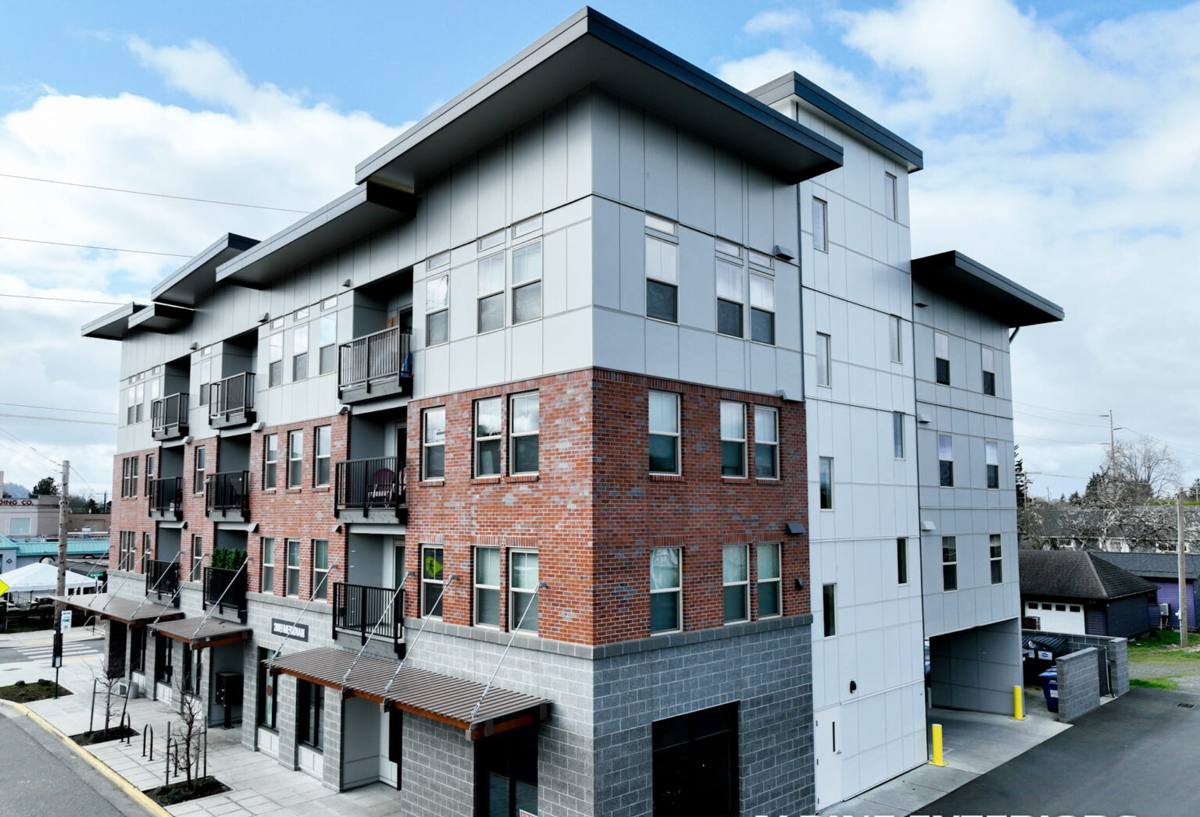
Why Fiber Cement Is the Right Category for This Location
Fiber cement is a cement, sand, and cellulose fiber composite, and it behaves fundamentally differently from wood or vinyl in a wet, salt-influenced climate. It doesn't rot, it doesn't feed the kind of organic growth that thrives in shaded, damp corners the way bare wood or dirty vinyl can, and it holds paint and factory finish far longer than wood siding does under constant moisture cycling. That's the baseline case for fiber cement generally in a place like Bellingham.
Why We Only Install James Hardie
Within the fiber cement category, we install James Hardie products exclusively — not other fiber cement brands, and not vinyl, LP SmartSide, or primed wood alternatives. That's a deliberate standard, not a default. Hardie's HZ5 product line is engineered specifically for climates with sustained moisture exposure, which describes Edgemoor's bay-adjacent weather closely. The factory-applied ColorPlus finish is baked on under controlled conditions, which gives it better adhesion and UV/moisture resistance than field-applied paint, and it comes with a real, transferable warranty backing that finish. We've made the call that the long-term performance and warranty structure aren't worth compromising on for a marginally cheaper product, especially on a coastline that doesn't forgive shortcuts.
What a Correct Installation Actually Involves
The siding material is only part of the equation. In a high-moisture, salt-air environment, the installation details determine whether the system performs for decades or fails early in the exact spots the manufacturer's specs are designed to protect.
Water Management Behind the Siding
Every correct fiber cement install starts with a weather-resistive barrier and properly integrated flashing — at windows, doors, roof-to-wall transitions, and any penetration through the wall plane. Rain that gets past the siding face needs a planned path back out, not a place to pool. This is the step that gets rushed or skipped on lower-bid jobs, and it's the one that causes hidden rot behind siding that still looks fine from the curb.
Clearances and Gaps
Hardie's specifications call for specific clearances from grade, roof lines, decks, and other siding terminations, plus gaps at butt joints and trim that allow the material to move without trapping water. On tree-shaded, damp lots like much of Edgemoor, skipping these clearances is exactly what creates the standing moisture that feeds moss and mildew at the base of walls and around trim.
Fastening and Caulking
Correct fastener placement, type, and spacing matter for wind and moisture performance, and caulking is used only where the manufacturer specifies it — not as a substitute for proper flashing. Over-caulking is a common shortcut that traps moisture inside a wall assembly instead of letting it drain, which causes damage you won't see until it's already extensive.
What We Typically Find on Edgemoor Homes
Every exterior is different, but a few patterns repeat often enough on homes near the bay and under tree cover that they're worth calling out directly:
- Moss and algae buildup concentrated on north- and west-facing walls that stay shaded and slow to dry
- Vinyl siding that has warped, faded, or pulled away from trim after years of temperature swings and wind exposure off the water
- Wood or engineered wood siding with soft spots at butt joints, corners, and anywhere caulk has failed
- Missing or undersized flashing at windows and roof transitions, invisible until siding is removed
- Fastener corrosion and staining from salt-air exposure on lower-grade hardware
None of these are unusual for the area — they're the predictable outcome of this climate acting on the wrong materials or an installation that cut corners on water management.
Our Process, Start to Finish
Assessment
We start by walking the exterior and identifying moisture-prone zones specific to the lot — shaded walls, low clearance points, tree proximity, and existing damage. That assessment shapes the scope of the job, not a generic template.
Preparation and Tear-Off
When existing siding comes off, we check the sheathing and weather barrier underneath before anything new goes up. Covering up rot or a compromised barrier with new siding just hides the problem for a few more years — we address what's found, not just what's visible.
Installation to Spec
Siding, flashing, fasteners, and trim go in according to James Hardie's published installation guidelines for our climate zone, not a generic national standard. That's what keeps the manufacturer's warranty intact and gives the wall assembly the drainage path it needs.
Final Inspection and Cleanup
Before we consider a job finished, we walk the exterior again to check joints, clearances, and finish work, and we clean the site thoroughly. A siding job isn't done until it looks finished and the water management is verified, not just the fastest way to get paid.
Cost Factors for Fiber Cement Siding in Edgemoor
Fiber cement siding costs vary based on the specifics of the home and site, and we don't publish blanket price-per-square-foot numbers because they're often misleading. The factors below are the ones that actually move the number on a given project.
| Factor | Why It Matters Here |
|---|---|
| Tear-off scope | Removing failing vinyl, wood, or old fiber cement adds labor and may reveal sheathing repairs |
| Wall complexity | Multiple stories, dormers, and cut-up rooflines increase flashing detail and labor time |
| Siding profile | Lap, panel, and shingle-style Hardie products differ in material and installation labor |
| Trim and accessory work | Corner boards, window trim, and fascia are often replaced alongside siding for a consistent water-management system |
| Site access | Tree-heavy or tight lots common in Edgemoor can affect staging, scaffolding, and material handling |
| Sheathing or framing repair | Hidden rot found during tear-off is addressed before new siding goes up, which affects final cost |
Maintenance in a Moss-Prone, Salt-Air Environment
Correctly installed James Hardie siding needs far less upkeep than wood or vinyl, but "low-maintenance" isn't "no-maintenance" — especially this close to the bay. A short annual routine keeps the system performing the way it's designed to:
- Rinse siding annually with a garden hose and soft brush to clear salt residue, pollen, and early moss growth — avoid pressure washers, which can force water behind joints and trim
- Trim back tree limbs and vegetation that keep wall sections shaded and slow to dry
- Check caulking at trim and penetrations yearly and have any cracked or missing sealant addressed promptly
- Watch for moss or algae buildup on shaded, north-facing walls and address it early rather than letting it establish
- Keep gutters and downspouts clear so roof runoff isn't dumping extra water onto wall sections
Why a Crew That Already Works Edgemoor Matters
A contractor who works this neighborhood regularly already knows the pattern: which wall orientations take the worst of the weather off the bay, how tree cover on a given lot affects drying time, and how to stage a job efficiently on wooded or tighter lots without damaging landscaping. They're also familiar with City of Bellingham and Whatcom County permitting requirements, so that step doesn't become a delay in the middle of your project. That local familiarity translates directly into fewer surprises and a tighter, more accurate estimate — not guesswork borrowed from a different climate.
What This Means for Your Home
Edgemoor's combination of bay exposure, shade, and moisture isn't a reason to avoid siding work — it's a reason to be precise about the product and the installation. James Hardie fiber cement, installed to the manufacturer's specifications for our climate, is built to handle exactly this kind of environment, and it's the only siding system we put our name behind for that reason.
If you're weighing a siding replacement or repair for a home in Edgemoor, we're happy to take a look and walk you through what your specific home needs. Reach out for a free, no-pressure estimate using the form below.