 Bellingham Siding
 Building Decks for Happy Valley's Older Homes and Wooded Lots
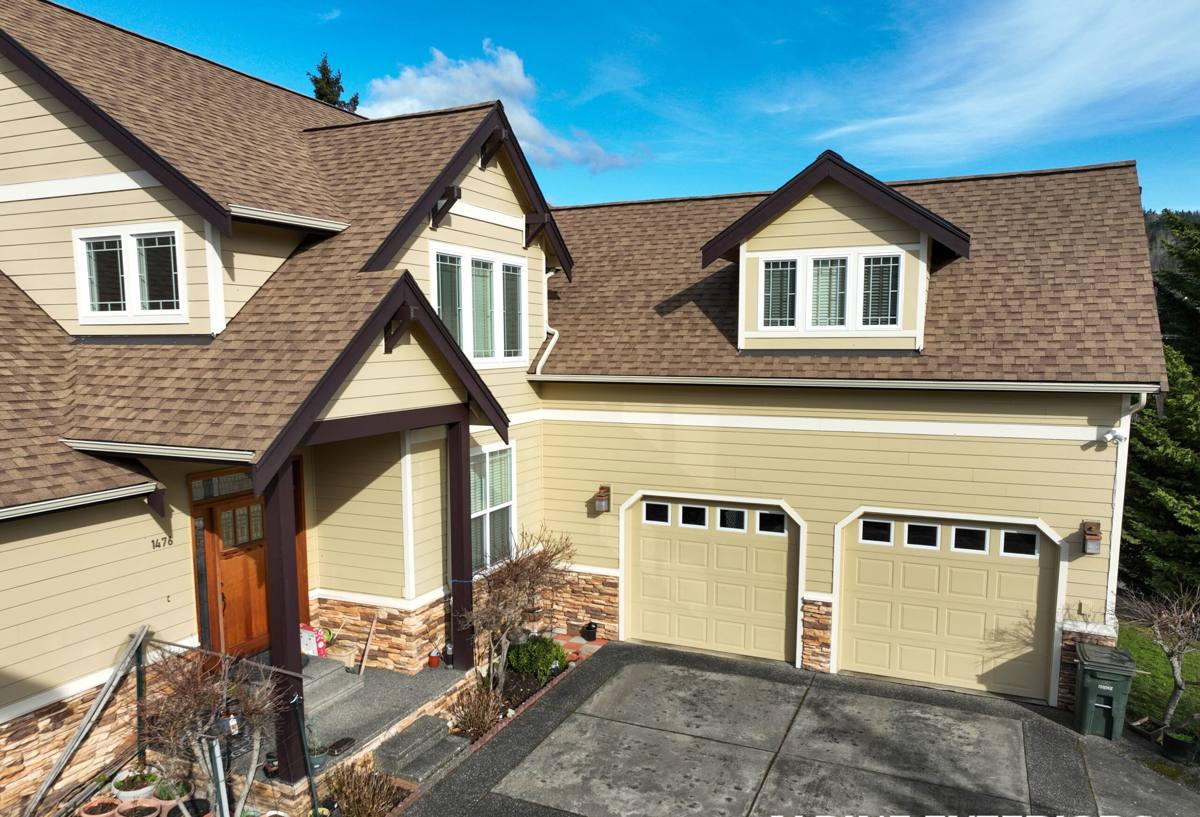
Happy Valley is one of Bellingham's older, established neighborhoods, with a mix of early-1900s homes, mid-century builds, and newer infill construction tucked close to Fairhaven and the waterfront. That mix creates a specific set of deck-building challenges: mature tree cover that keeps decking wet and shaded for long stretches, sloped lots that need real structural planning, and older homes where the ledger connection and existing framing may not be up to current code. A deck built for a flat, sunny yard in another part of the county won't necessarily hold up here. We build for the lot and the house in front of us, not a generic template.
Because we work in this neighborhood regularly, we already have a feel for the common lot conditions, drainage patterns, and permitting expectations that come with Bellingham's older residential streets. That familiarity shortens the design conversation and helps us catch problems before they're built into the structure.
What Whatcom County Climate Does to a Deck
Bellingham's marine climate is generally mild, but it's also relentless in ways that matter for outdoor structures. Consider what a deck in Happy Valley is up against year-round:
- Driving rain: Storms off the Salish Sea often come in sideways, pushing water into joints, fastener holes, and any horizontal surface that isn't properly sloped or flashed.
- Salt-tinged air: Proximity to Bellingham Bay means airborne salt accelerates corrosion on unprotected metal fasteners, hardware, and railing components.
- Long moss season: Shade from mature trees and short winter daylight hours mean moss and algae can colonize decking boards for months at a time, and moss holds moisture against the wood surface far longer than open sun ever would.
- Freeze-thaw cycling: It's not extreme cold here, but repeated freezing and thawing through the winter still works at cracks, checks, and failed sealant joints.
None of this makes deck-building in Happy Valley unusual — it just means the materials, fasteners, and detailing decisions have to account for sustained moisture exposure rather than the occasional summer rain shower.
Choosing Decking Material for This Climate
There's no single "best" decking material — there's a best material for your budget, your maintenance tolerance, and how much shade and moss pressure your specific lot gets. Here's how the common options actually perform under Whatcom County conditions:
| Material | Moisture & Moss Behavior | Maintenance | Typical Lifespan Here |
|---|---|---|---|
| Pressure-treated wood | Absorbs moisture readily; needs a breathable finish to shed water and resist moss staining | Annual cleaning, periodic stain/seal | 15-20 years with upkeep |
| Cedar | Naturally rot-resistant but still needs finish maintenance in shaded, damp spots | Regular cleaning and refinishing | 20-25 years with upkeep |
| Composite decking | Doesn't absorb water like wood, but moss and algae can still grow on the surface film if boards stay shaded and wet | Periodic washing, no staining/sealing | 25-30+ years, manufacturer-dependent |
| PVC/synthetic decking | Fully non-organic surface; most resistant to moss taking hold, but still needs washing to prevent surface algae | Low — mostly rinsing | 25-30+ years, manufacturer-dependent |
On heavily shaded Happy Valley lots, we lean toward steering clients away from painted or heavily varnished wood finishes, since they trap moisture underneath once the coating starts to fail and hide rot until it's advanced. A breathable stain on wood, or a composite/PVC product with a textured, moss-resistant surface, generally holds up better under sustained shade and rain than a glossy painted finish.
Fastener and Hardware Standards
Given the salt air off the bay, we don't cut corners on hardware. Structural connectors, joist hangers, and fasteners should be stainless steel or a coating rated for coastal exposure — standard galvanized hardware can start showing corrosion well before the decking itself needs replacing, and a rusted structural connector is a bigger problem than a stained board.
What a Correctly Built Deck Requires
A deck that lasts in this climate comes down to details most homeowners never see once the project is finished. These are the ones we won't skip:
Ledger Attachment and Flashing
The ledger board — where the deck attaches to the house — is the single most common failure point on older decks we're asked to inspect or replace. It needs proper flashing that directs water away from the house's siding and framing, not just lag bolts driven into the rim joist. On older Happy Valley homes, we often find the original ledger attachment predates current code and needs to be rebuilt as part of the project, not just resurfaced.
Footings Sized for the Site
Sloped and wooded lots common in this neighborhood often need deeper or more numerous footings than a flat, open yard would. We size footings to the actual soil and slope conditions on your property, confirmed during the design visit, not to a generic minimum.
Board Spacing and Airflow
Correct gapping between deck boards, and adequate airflow underneath the structure, matters more here than in a drier climate — it's what lets the deck actually dry out between rain events instead of staying damp for days.
Drainage Away from the Structure
Grading and any under-deck drainage systems need to move water away from the house foundation and footings, not just off the deck surface.
Our Process for a Happy Valley Deck Project
- On-site design visit: We walk the lot, assess slope, tree cover, existing structure (for replacements or attached decks), and talk through how you'll actually use the space.
- Material and layout decisions: We go over decking material trade-offs, railing style, and any structural considerations specific to your yard.
- Permitting: Most new decks and significant rebuilds in Bellingham require a permit. We handle the permit application and inspection scheduling as part of the project.
- Site protection and demolition (if applicable): For deck replacements, we remove the old structure and inspect the ledger and framing underneath before building anything new.
- Framing and footings: Built to the depth and spacing the specific site requires, with corrosion-resistant hardware throughout.
- Decking, railing, and finish details: Installed with proper spacing, flashing, and fastening for long-term moisture performance.
- Final walkthrough: We review the finished deck with you, including any maintenance recommendations specific to the material you chose.
Repair, Rebuild, or Replace?
Not every aging deck needs to be torn out completely. When we're called out to look at an older deck in Happy Valley, we're checking a few specific things to figure out what's actually needed:
- Soft or spongy spots in the decking surface, especially near the ledger or in shaded corners
- Rust staining or visible corrosion at joist hangers and structural connectors
- Gaps, cracking, or separation at the ledger-to-house connection
- Wobble or movement in the railing posts
- Persistent moss buildup that hasn't responded to cleaning, which can indicate the boards are staying wet longer than they should
- Signs of rot in support posts or footings, particularly at ground contact points
Sometimes the framing underneath is sound and only the decking surface needs replacing. Other times — especially on older ledger connections — a full rebuild is the honest recommendation, even if it's not the answer a homeowner was hoping for. We'll tell you which situation you're in and why.
Permitting and Structural Considerations Specific to Bellingham
Whatcom County and the City of Bellingham have specific requirements for deck height, guardrail height, footing depth, and ledger attachment that apply regardless of neighborhood. On older Happy Valley properties, the practical issue is usually that the existing structure — if there is one — predates those requirements. We handle the permit process directly so you're not the one interpreting code language, and we build to current code even on a straightforward decking-surface replacement where the framing underneath needs to be brought up to standard.
Why Local Experience in This Neighborhood Matters
A deck built by a crew unfamiliar with this area's tree cover, drainage patterns, and older housing stock can look fine on installation day and still fail early — usually at the ledger, at the fasteners, or under a deck that never gets enough sun to dry out properly. Working Happy Valley and the surrounding Bellingham neighborhoods regularly means we've already seen how the local combination of shade, rain, and salt air plays out on real decks over years, not just on paper. That's the judgment that goes into material selection, footing depth, and flashing details before a single board goes down.
If you're planning a new deck, replacing an aging one, or just want an honest read on whether your current deck is sound, we're happy to come take a look. We offer free, no-pressure estimates — use the form below to get started.