 Bellingham Siding
 Board & Batten in a Cordata Climate
Cordata sits in north Bellingham, close enough to the water and the foothills that homes here take a specific kind of weather beating: salty marine air drifting in off the Salish Sea, long stretches of driving rain through fall and winter, and a moss season that can run eight months or more on shaded north- and west-facing walls. Board and batten siding looks sharp on the craftsman and modern-farmhouse styles common in this neighborhood, but the same vertical-plank-and-strip design that gives it that clean look also creates more seams, more exposed fastener lines, and more places for water to find a way in than a standard horizontal lap job. Get the material and the install wrong here and you're not looking at a cosmetic problem in five years — you're looking at rot behind the battens and a full tear-off.
We install board and batten in Cordata regularly enough to know exactly where Whatcom County's climate finds the weak points in this style, and we build every job to close them off before they start.
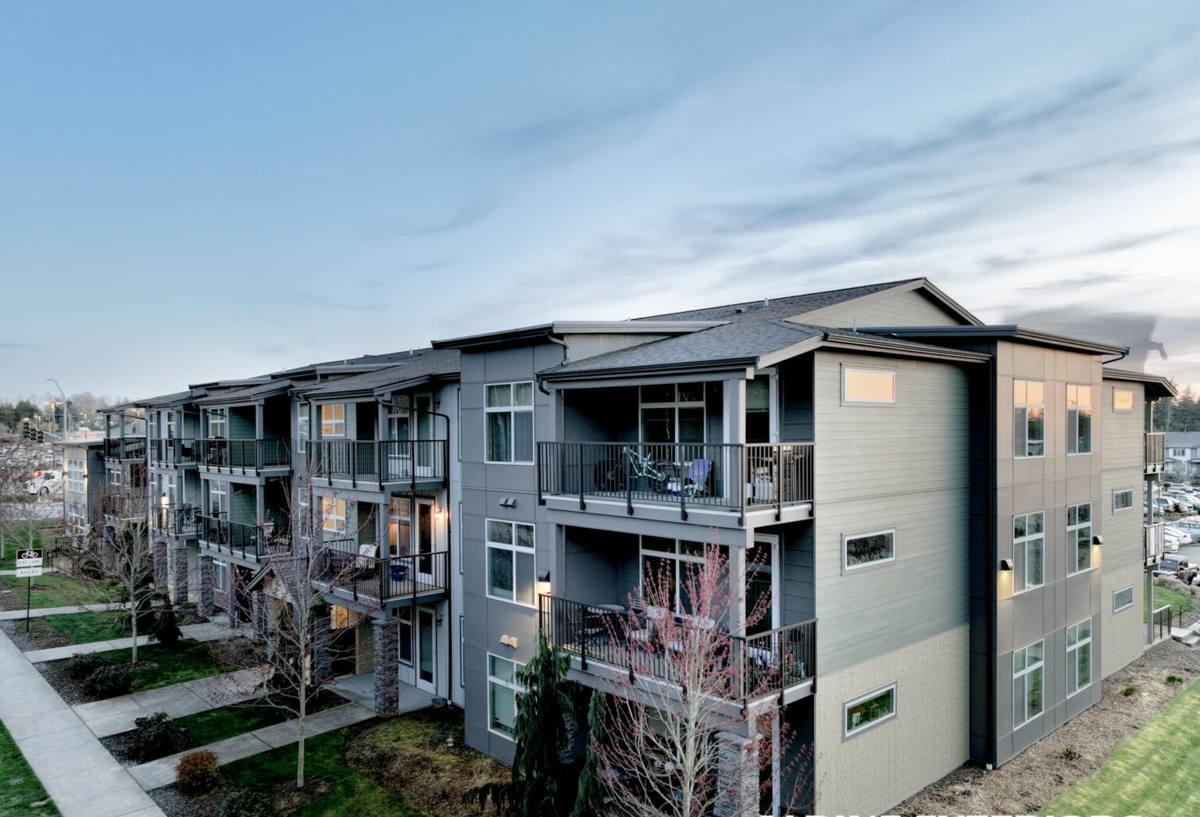
What Board & Batten Siding Actually Is
Board and batten is a vertical siding pattern: wide flat panels or boards run up the wall, and narrower strips (the "battens") are fastened over the seams between them. It's one of the oldest siding styles in American building — originally a way to cover gaps between rough-sawn barn boards — and it's had a real resurgence on modern farmhouse and craftsman homes because of the strong vertical lines and deep shadow lines the battens throw.
The style can be built a few different ways:
- True board and batten — individual boards with battens over every joint
- Reverse board and batten — battens recessed, boards proud, for a different shadow line
- Panelized board and batten — engineered vertical panels (what we install) with batten trim applied over the panel seams, giving the same look with far fewer field joints to seal
That last distinction matters more than most homeowners realize, because every seam in a board and batten wall is a place water can travel if it isn't detailed correctly — and the panelized approach simply has fewer of them to manage.
Why the Style Raises the Stakes on Material Choice
On a standard lap-sided wall, water runs down and off at each overlapping course by gravity. Board and batten runs vertically, so instead of shedding water at overlaps, the wall depends on the battens and the seams beneath them to stay sealed for the life of the siding. That means the material under those battens has to hold its dimension, resist moisture at cut ends and fastener penetrations, and take a factory finish that won't crack or peel where the batten presses against it. Wood products swell and shrink with Bellingham's damp winters and drier summers, which works battens loose and opens hairline gaps at exactly the spots water collects. Vinyl board and batten profiles are lightweight and can rattle or bow, and their color is baked into the plastic itself rather than a true finish, so it fades unevenly on sun-exposed walls. Engineered wood products are wood at their core, so any edge or fastener hole that isn't fully sealed becomes an entry point for exactly the kind of prolonged, low-grade moisture exposure driving rain produces here.
This is the reason we standardized on James Hardie fiber cement for every board and batten job we do: it's dimensionally stable across wet and dry seasons, it's non-combustible, and the factory-applied ColorPlus finish is baked onto the fiber cement rather than sitting on top of it, so it holds up under the batten pressure points and the constant damp without the finish separating from the substrate.
| Factor | Wood / Engineered Wood | Vinyl | James Hardie Fiber Cement |
|---|---|---|---|
| Dimensional movement with seasonal moisture | Noticeable swell/shrink, can loosen battens | Minimal, but can bow or oil-can in heat/cold swings | Very low — stays true behind battens |
| Cut-end and fastener-hole vulnerability | High if not fully sealed and primed | Low material risk, high seam/gap risk | Low when sealed per Hardie spec |
| Finish behavior over time | Peels, chalks, needs repainting | Color molded in; fades unevenly, cannot be refinished cleanly | Factory ColorPlus finish, long warranty coverage |
| Fire resistance | Combustible | Combustible, can deform near heat | Non-combustible fiber cement |
| Behavior in driving rain / salt air | Prone to rot and corrosion at fasteners over time | Holds up, but seams and battens are separate weak points | Engineered for wet climates; stainless fasteners recommended near marine air |
The James Hardie System We Install for This Look
For board and batten, we work primarily with HardiePanel vertical siding paired with HardieTrim battens, run in the HZ10 formulation James Hardie engineers specifically for high-moisture, freeze-thaw regions like Whatcom County — as opposed to the standard HZ5 formulation built for milder, drier parts of the country. The panel comes with a factory ColorPlus finish in a range of solid colors, so the battens and field panels arrive color-matched and pre-finished rather than needing site-painted trim that will always be the first thing to show wear. Hardie backs the product with a transferable limited warranty, which matters on a style like this — if you ever sell the house, the next owner isn't inheriting a siding system with an unknown service history.
We don't offer board and batten in LP SmartSide, primed spruce, cedar, or vinyl. That's a deliberate standard, not a lack of options — we've made the call that on a vertical, seam-dependent style, in a climate that gets this much sustained moisture, fiber cement is the only material we're willing to put our name behind.
What a Correct Installation Actually Involves
The finished look of board and batten is simple, but a correct install underneath it is not. This is where most of the failures we get called out to fix in older homes actually started — not with bad material, but with shortcuts in the assembly behind it.
The drainage gap
Vertical siding needs a way for any moisture that does get behind the cladding to drain and dry out, rather than sitting against the sheathing. We install over a properly furred-out rain screen gap on board and batten walls, so water has a clear path down and out instead of wicking sideways into the wall assembly. Skipping this gap is the single most common corner-cutting shortcut we see on this style, and it's invisible once the siding is up — which is exactly why it gets skipped.
Weather-resistive barrier and flashing
Every penetration, window, door, and horizontal transition gets flashed and integrated with the weather-resistive barrier before a single panel goes up. On a vertical siding style, flashing details at the top and bottom of each wall section carry more of the water-management load than they do on lap siding, so we don't treat this step as boilerplate.
Fastening and batten placement
Panels and battens are fastened per Hardie's published pattern and clearance requirements, with stainless steel fasteners specified on any wall exposed to direct marine air — a standard upgrade we make for Cordata jobs given the salt exposure. Battens are set to actually cover and protect the panel seam beneath them, not just laid on for looks.
Sealant and joint detailing
Where sealant is required by the Hardie install spec, we use products rated for the movement and exposure involved, and we don't rely on caulk to do a flashing detail's job. Caulk is maintenance, not a substitute for a properly lapped or flashed joint.
Our Process, Start to Finish
- On-site assessment — we look at your existing siding, sheathing condition, and how each wall is exposed to prevailing wind-driven rain and moss growth before pricing anything
- Tear-off and sheathing check — old siding comes off and we inspect for hidden rot or moisture damage before it's ever covered back up
- Weather barrier and rain screen install — the water-management layer goes in first, correctly lapped and flashed
- HardiePanel and batten installation — panels and battens go up per Hardie's fastening and clearance spec, with stainless fasteners where the exposure calls for it
- Trim, caulking, and touch-up — factory-finish touch-up paint is used at cut ends so the ColorPlus finish stays sealed everywhere it's been cut on site
- Walkthrough — we go over the finished job with you before we consider it done
Maintenance in a Salt-Air, Moss-Season Climate
James Hardie siding is low-maintenance, not zero-maintenance, and board and batten has a couple of upkeep items worth knowing about specifically because of where you live. Moss and algae growth on shaded elevations should be rinsed off with a garden hose and soft brush before it builds up a persistent, damp mat against the siding — pressure washers held too close can force water up under battens, so we recommend low-pressure cleaning only. Because Cordata sits close enough to the water to get real salt-air exposure, it's worth an annual look at fastener heads and any exposed trim for early corrosion, which is exactly why we spec stainless fasteners here rather than standard galvanized. Keep gutters and downspouts clear so roof runoff isn't sheeting down a wall section repeatedly — that's a fast track to moss colonization and the kind of sustained dampness this style is least tolerant of.
Signs Your Current Board & Batten Siding Needs Attention
- Battens that have come loose, bowed, or separated slightly from the wall
- Soft spots, dark staining, or a spongy feel when you press near the base of any wall section
- Persistent moss or algae that returns within weeks of cleaning
- Peeling, chalking, or fading paint on wood or engineered-wood battens and panels
- Visible gaps opening up at panel seams or around window and door trim
- Rust staining running down from fastener heads or trim
Why a Crew That Already Works Cordata Matters
Board and batten siding done right depends on getting the water-management details correct for the specific exposure of your walls, and that's a judgment call that gets sharper with local repetition. A crew that already works Cordata and the surrounding Bellingham neighborhoods has seen how this style performs through an actual Whatcom County winter, not just on paper — which walls take the worst of the driving rain, which elevations need the moss-conscious detailing, and which fastener and flashing choices hold up rather than needing attention again in a few years. That's less about any single trick and more about not having to relearn the climate on your house.
We're happy to walk your property, look at how your walls are actually exposed, and give you a straight answer on what a correct board and batten installation would involve and cost for your home — no pressure, no upsell, just the estimate. Fill out the form below and we'll get in touch.