 Bellingham Siding
 Windows Built for Happy Valley's Weather, Not Just Its View
Happy Valley sits close enough to Bellingham Bay and the surrounding hills that its homes take a specific kind of weathering: salt-tinged air moving in off the water, long stretches of driving rain through fall and winter, and a moss season that seems to start earlier and end later every year. None of that is unique to one street or one house style in the neighborhood — it's a Whatcom County reality that shows up in window trim, sills, and frames faster than most homeowners expect. A window that's fine in a drier inland climate can start failing here within a few years if it wasn't built or installed with this exposure in mind.
This page is about one job, done right, in one part of Bellingham: replacing windows in Happy Valley homes so they actually hold up to the conditions they're facing, not just the conditions on a spec sheet.
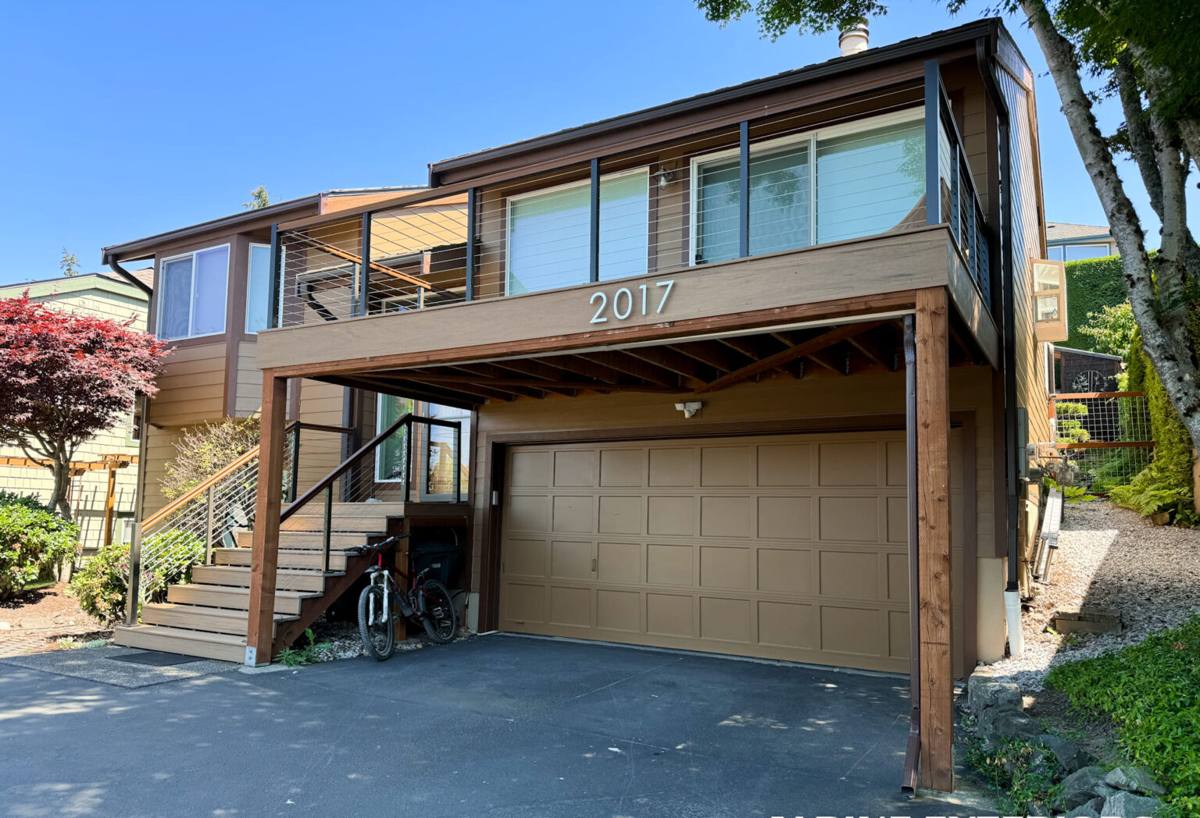
What This Climate Actually Does to Windows
It helps to know what you're up against before you talk about solutions. In Happy Valley and the rest of Bellingham, window failure tends to follow a few predictable patterns:
- Frame and sill rot from repeated wetting and slow drying, especially on wood-framed windows facing prevailing weather
- Seal failure in double-pane glass, showing up as fogging or condensation between the panes — a sign the insulating gas has escaped
- Moss and organic growth building up in horizontal trim and sill grooves, holding moisture against the wood far longer than rain alone would
- Corrosion on hardware and metal components from salt-laden air, particularly on older aluminum-frame windows
- Air and water infiltration around the frame where old caulking or flashing has failed, letting wind-driven rain track behind the trim
None of these are dramatic failures — they're slow ones. That's part of what makes them expensive if they're ignored: by the time a homeowner notices a soft spot on a sill or a persistently foggy pane, there's usually been moisture intrusion happening quietly for a while.
Signs a Happy Valley Home Needs Window Replacement
Not every issue means full replacement, but these are the signals worth acting on:
- Fogging or a milky haze between panes that won't clear — the seal is gone and the insulating value with it
- Soft, spongy, or visibly rotted wood at the sill or lower frame corners
- Windows that are hard to open, close, or lock — frames have swollen, warped, or shifted
- Noticeable drafts or cold spots near the window even when it's shut
- Paint that keeps failing at the same spot no matter how often it's repainted — usually a sign of moisture cycling underneath
- Visible moss or dark staining building up in trim joints and sill grooves year over year
If a window is showing one or two of these, it may just need targeted repair. If it's showing several, or the frame itself has gone soft, replacement is usually the more honest recommendation — patching a failing frame just delays the same repair at higher cost later.
What a Correct Window Replacement Involves
It Starts Before the New Window Ever Shows Up
The old window and the surrounding rough opening get inspected for hidden damage — rot in the framing, compromised flashing, or water staining that points to a leak path that's been active for a while. Skipping this step is the single biggest reason window replacements fail early: a new window installed over a wet or rotted opening will show the same problems again within a few seasons, no matter how good the window itself is.
Removal Without Collateral Damage
The old unit comes out carefully, with attention to the surrounding siding and trim so the opening isn't enlarged or damaged in the process. Any rot found in the sill, jambs, or header gets addressed at this stage — not covered over.
Flashing and Water Management
This is the part that matters most in a climate like this one. Proper window installation includes correctly lapped flashing tape and a sill pan that directs any water that does get past the window back out and away from the framing — not down into the wall. Given how much driving rain this area sees, a window installed without proper flashing is a leak waiting to happen, regardless of how well-sealed the window itself is.
Setting, Shimming, and Sealing
The new window is set plumb, level, and square, shimmed correctly so it isn't stressed out of shape by the frame around it, and sealed with the right sealants at the right points — not just a bead of caulk around the outside trim as an afterthought.
Finish Work
Interior and exterior trim gets reinstalled or replaced as needed, and everything is checked for smooth, even operation before the job is called done.
Choosing Materials and Glass for This Climate
Not every window product is a good fit for salt air and heavy rain exposure. The right choice depends on the home, its exposure, and the homeowner's maintenance preferences — but a few general principles hold up well in Bellingham conditions:
| Factor | What to Look For Locally | Why It Matters Here |
|---|---|---|
| Frame material | Vinyl or fiberglass with good weatherstripping; well-maintained wood or clad-wood where appearance matters | Resists moisture absorption and doesn't corrode in salt-influenced air |
| Glass package | Double-pane, low-E coated, argon-filled | Improves comfort and cuts condensation risk during long damp stretches |
| Hardware | Corrosion-resistant hardware and fasteners | Salt air accelerates corrosion on lower-grade metal components |
| Sill design | Sloped sill with a clear drainage path | Prevents standing water and reduces moss/algae buildup |
| Weatherstripping | Dual or compression-fit seals | Keeps wind-driven rain from tracking in around the sash |
Wood windows can look great and perform well, but they demand a maintenance commitment — regular repainting or resealing — that not every homeowner wants to keep up with in a climate this wet. That's a trade-off worth discussing honestly rather than glossing over, and it's one we'll walk through based on how the house is actually used and maintained, not a one-size answer.
Why Moss Season Deserves Its Own Attention
Bellingham's moss season is long enough that it's less a seasonal event than a semi-permanent condition on shaded, north-facing, or tree-covered parts of a home. Around windows specifically, moss tends to establish in horizontal trim grooves, sill tracks, and anywhere water sits rather than sheds. Once established, it holds moisture against wood and paint far longer than the rain itself would, which speeds up rot and finish failure.
A correctly detailed window replacement addresses this with sill slope, drainage gaps, and trim profiles that don't give moss an easy foothold in the first place — it's a design consideration, not just a cleaning problem to manage after the fact.
Our Process for Happy Valley Homes
- On-site assessment — we look at existing windows, framing condition, and exposure specific to the home's orientation and surroundings
- Honest scope — we tell you which windows need full replacement, which could be repaired, and why, without upselling work that isn't needed
- Material recommendation — matched to the home's exposure, style, and the homeowner's appetite for long-term maintenance
- Written estimate — clear on scope, materials, and timeline before any work starts
- Installation — removal, framing repair if needed, proper flashing, setting, and finish work as detailed above
- Final walkthrough — checking operation, seals, and trim with the homeowner before the job is considered complete
Why a Crew Already Familiar with This Area Matters
Window replacement done right isn't just about the product — it's about recognizing the specific failure patterns this climate creates before they become expensive. A crew that regularly works Whatcom County homes knows what a salt-air-corroded hinge looks like versus normal wear, knows which sill details actually shed water in a real Pacific Northwest rainstorm, and knows how much moss buildup is a cosmetic issue versus an early warning sign. That local pattern recognition is hard to substitute with a general checklist, and it's the difference between a window that looks right on install day and one that's still performing well five wet winters later.
It also means faster, more accurate estimates. When you already understand how a neighborhood's homes are built and what they're exposed to, you're not guessing at scope — you're confirming what you already expect to find and pricing accordingly.
What Homeowners Should Ask Before Hiring
- Will you inspect and repair the rough opening if there's hidden rot, not just install over it?
- What flashing and sill pan method do you use, and why?
- What's covered under warranty — labor, materials, or both — and for how long?
- Can I see the written estimate broken down by scope before work starts?
- Do you carry proper licensing and insurance for work in Washington State?
A contractor who answers these plainly, without dodging the framing and flashing questions, is one who's actually thought through how a window performs after it's installed — not just how it looks on install day.
Get a Free, No-Pressure Estimate
If your Happy Valley home has windows showing fog, drafts, soft spots, or moss buildup that keeps coming back, it's worth a look before another wet season adds to the damage. We're happy to walk the property, give you a straight assessment of what's needed, and put together a written estimate — no pressure, no obligation. The form below is the easiest way to get started.