 Bellingham Siding
 Window Installation Built for Sehome's Conditions, Not a Generic Climate
Sehome sits close enough to Bellingham Bay and the surrounding waterways that homes here deal with a steady mix of salt-laden air, wind-driven rain, and the kind of persistent damp that keeps moss growing for most of the year. Windows take the brunt of that. A window that's rated fine on paper can still fail early if it's installed without accounting for what this specific stretch of Whatcom County throws at a building envelope. We install windows in this neighborhood regularly, and the details we pay attention to here are shaped by that experience, not a one-size-fits-all checklist.
This page covers what actually matters for a correct, long-lasting window installation in Sehome: what the local climate does to windows over time, what a proper install involves, how we approach the work, and what it costs to do it right.
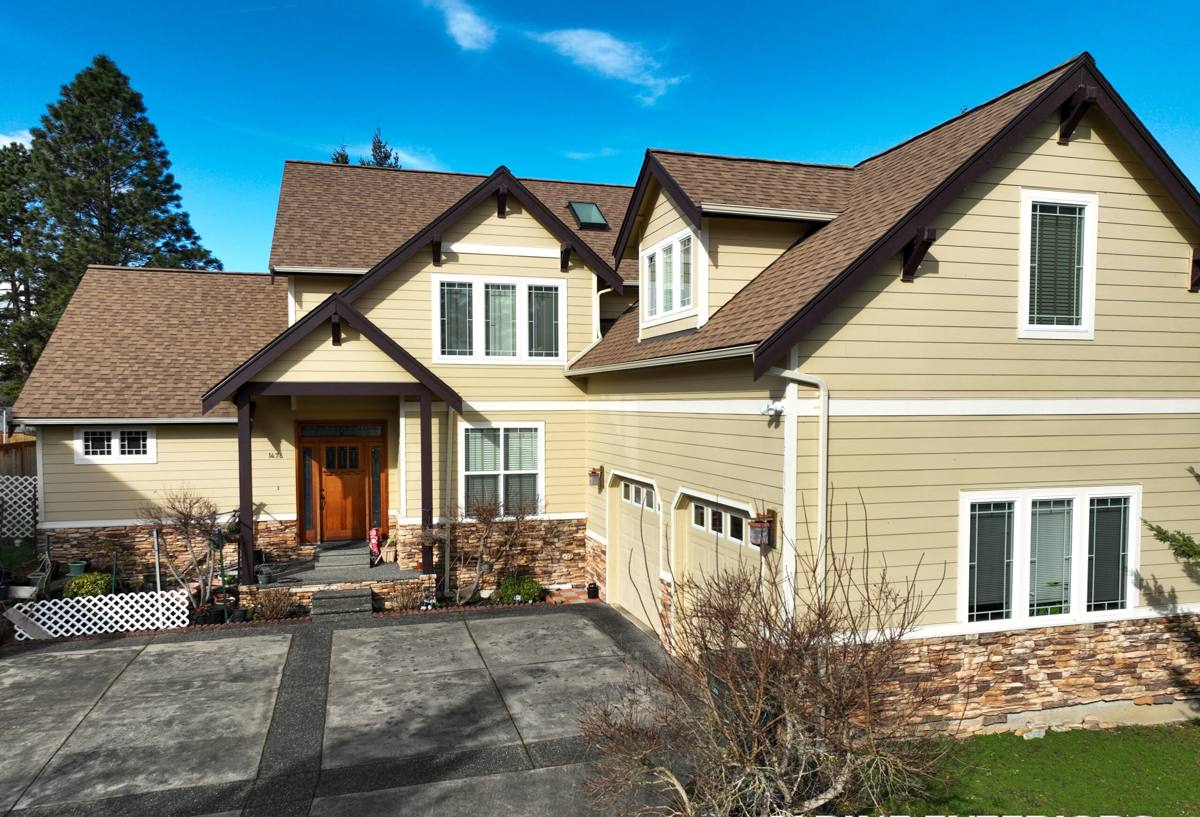
What Bellingham's Marine Climate Does to Windows Over Time
Salt Air and Metal Corrosion
Proximity to salt water means airborne salt settles on exterior surfaces, including window frames, hardware, and fasteners. Over years, that accelerates corrosion on lower-grade metal components — hinges, cranks, screws, and some aluminum cladding. It's a slow process, but it's cumulative, and it's one reason hardware quality and fastener selection matter more here than they would fifty miles inland.
Driving Rain and Water Intrusion
Bellingham doesn't just get rain — it gets wind-driven rain that hits windows at an angle instead of falling straight down. That kind of weather exposes any weakness in flashing, sealant, or window fit almost immediately. A window that's slightly out of level, under-flashed, or caulked instead of properly flashed will show water staining, soft trim, or interior damage well before a comparable window would fail in a drier climate.
Moss, Mildew, and Prolonged Dampness
The long moss season in this region isn't just a roofing problem. Moss and mildew take hold anywhere moisture sits without drying out — window sills, the base of frames, and trim that doesn't shed water cleanly. Wood components that aren't properly protected or detailed can start showing rot at the sill years before the rest of the window shows its age.
Signs a Sehome Home Might Need New Windows
- Visible condensation or fogging between the panes of a double-pane window (a sign the seal has failed)
- Soft or discolored trim and sill wood, especially on walls facing prevailing wind and rain
- Drafts you can feel near the frame even when the window is fully latched
- Windows that are hard to open, close, or lock — often a sign of a warped or settling frame
- Visible gaps between the window frame and the siding or trim
- Persistent moss or dark staining building up on the sill or bottom corners of the frame
- Noticeably higher heating bills without another clear explanation
What a Correct Window Installation Actually Involves
Flashing and Water Management
This is where most window failures actually start, and it's the part that's invisible once the job is done. Proper flashing directs any water that gets behind the siding or trim back out, away from the wall framing, instead of letting it pool at the sill. In a climate with driving rain, this step isn't optional detail work — it's the difference between a window that lasts decades and one that causes rot inside the wall within a few years.
Air Sealing and Insulation
The gap between the window unit and the rough framing needs to be sealed and insulated correctly — not just stuffed with fiberglass or foamed solid, either of which can cause its own problems. Done right, this step stops drafts, reduces condensation risk, and keeps the window performing the way it's rated to.
Fastening and Structural Fit
A window has to be shimmed level, plumb, and square before it's fastened, and it has to be fastened with hardware that will hold up to the salt air in this area. A window that's slightly racked in the opening will bind, leak, or stress its seals over time, even if everything else about the installation looks fine from the outside.
Choosing the Right Window Type for This Climate
There's no single "best" window for every home, but some materials and constructions hold up better than others under salt air, constant moisture, and long gray winters. Here's how the common options compare for a Sehome home specifically.
| Window Type | Moisture & Salt Air Performance | Maintenance | Typical Trade-Off |
|---|---|---|---|
| Vinyl | Good — won't rust or rot, handles moisture well | Low | Limited color/finish options, can look less premium on older architectural styles |
| Fiberglass | Very good — dimensionally stable, resists corrosion and moisture | Low | Higher upfront cost than vinyl |
| Wood-clad (exterior-clad wood) | Good if properly detailed and maintained; interior wood adds warmth | Moderate to high | Requires more attentive upkeep in a wet climate; cladding must be installed and flashed carefully |
| Aluminum | Fair — prone to corrosion over time in salt air unless higher-grade alloys/coatings are used | Moderate | Poor insulator unless thermally broken; we're selective about where we recommend it |
For most Sehome homes, we lean toward vinyl or fiberglass for their combined moisture resistance and low maintenance, but the right call also depends on your home's architecture, your budget, and how much upkeep you want to take on. We'll walk through the honest trade-offs for your specific house rather than pushing one product across the board.
Our Window Installation Process
- On-site assessment — we look at the existing windows, framing condition, and any signs of water intrusion before recommending anything.
- Accurate measurement and product selection — windows are measured for the actual opening, not a standard size, and we talk through material and style options based on your home and budget.
- Removal of the old window — done carefully to check the condition of the framing and sheathing underneath, since this is often the only chance to catch hidden rot or water damage.
- Repair of any framing or water damage found — if we find soft wood or prior water intrusion, we address it before the new window goes in, not after.
- Flashing and water management installation — built to shed wind-driven rain away from the opening.
- Setting, leveling, and shimming the new window — checked for square and plumb before it's fastened.
- Air sealing and insulation of the gap — sealed correctly to stop drafts and reduce condensation risk.
- Exterior trim and finish work — completed to match your home and shed water cleanly going forward.
- Final walkthrough — we check operation, sealing, and finish with you before we consider the job done.
What Affects Window Installation Cost
| Factor | Why It Matters |
|---|---|
| Number of windows | Per-window cost typically drops on larger jobs due to shared setup and labor efficiency |
| Window material and brand | Vinyl, fiberglass, and wood-clad options carry different material costs |
| Condition of existing framing | Hidden rot or water damage found during removal adds repair time and cost |
| Window size and configuration | Larger units, custom shapes, or multi-panel configurations cost more than standard sizes |
| Access and building height | Second-story or hard-to-access windows take more time and equipment |
| Trim and finish work | Matching existing exterior trim or upgrading finish materials affects the total |
We give straightforward, itemized estimates so you can see what you're paying for and where. If we find something during the work — like hidden rot behind an old window — we'll show it to you and talk through options before doing anything extra.
Why Hiring a Crew That Already Works in Sehome Matters
Window installation isn't just about the window itself — it's about how it's integrated into a wall system that has to hold up against a specific set of conditions. A crew that regularly works in and around Bellingham has already seen how salt air, driving rain, and the region's long moss season affect installations over time, and that shapes decisions on flashing details, fastener selection, and material recommendations before problems ever show up. It also means straightforward, honest communication about what your home actually needs, without having to explain regional conditions to an out-of-town crew learning on the job.
Keeping New Windows Performing for the Long Haul
A correct installation is most of the battle, but a little seasonal attention keeps windows performing well for their full lifespan in this climate.
- Rinse or wipe down sills periodically to clear salt residue and organic buildup before it sits and causes staining
- Check and clear weep holes on vinyl and fiberglass windows so water can drain properly
- Inspect exterior caulking and trim seals once a year, ideally before the wet season sets in
- Watch for moss or dark staining at the sill and address it early rather than letting it sit through winter
- Operate locks and hardware periodically, even on windows you don't open often, to keep mechanisms from seizing
- Address any soft trim or discoloration right away — it's far cheaper to fix early than after rot spreads
If your Sehome home has windows that are drafty, foggy, hard to operate, or just due for an upgrade, we're happy to take a look and give you a straightforward, no-pressure estimate. Use the form below to get started.