 Bellingham Siding
 Roof Repair Built Around Puget's Weather, Not a Generic Checklist
Homes in the Puget area of Bellingham take a different kind of beating than homes twenty miles inland. Roofs here deal with salt-laden air off the water, wind-driven rain that pushes moisture sideways under laps and flashing, and a moss season that can run eight or nine months out of the year in shaded, north-facing sections. A roof repair that ignores those three factors tends to fail again within a season or two. One that accounts for them holds up for years. That's the difference we build our process around.
This page covers roof repair specifically — not full replacement — for homes in and around the Puget neighborhood. If your roof still has useful life left in it but has a leak, damaged section, or maintenance issue that needs fixing, this is what a correct repair looks like here and how we approach it.
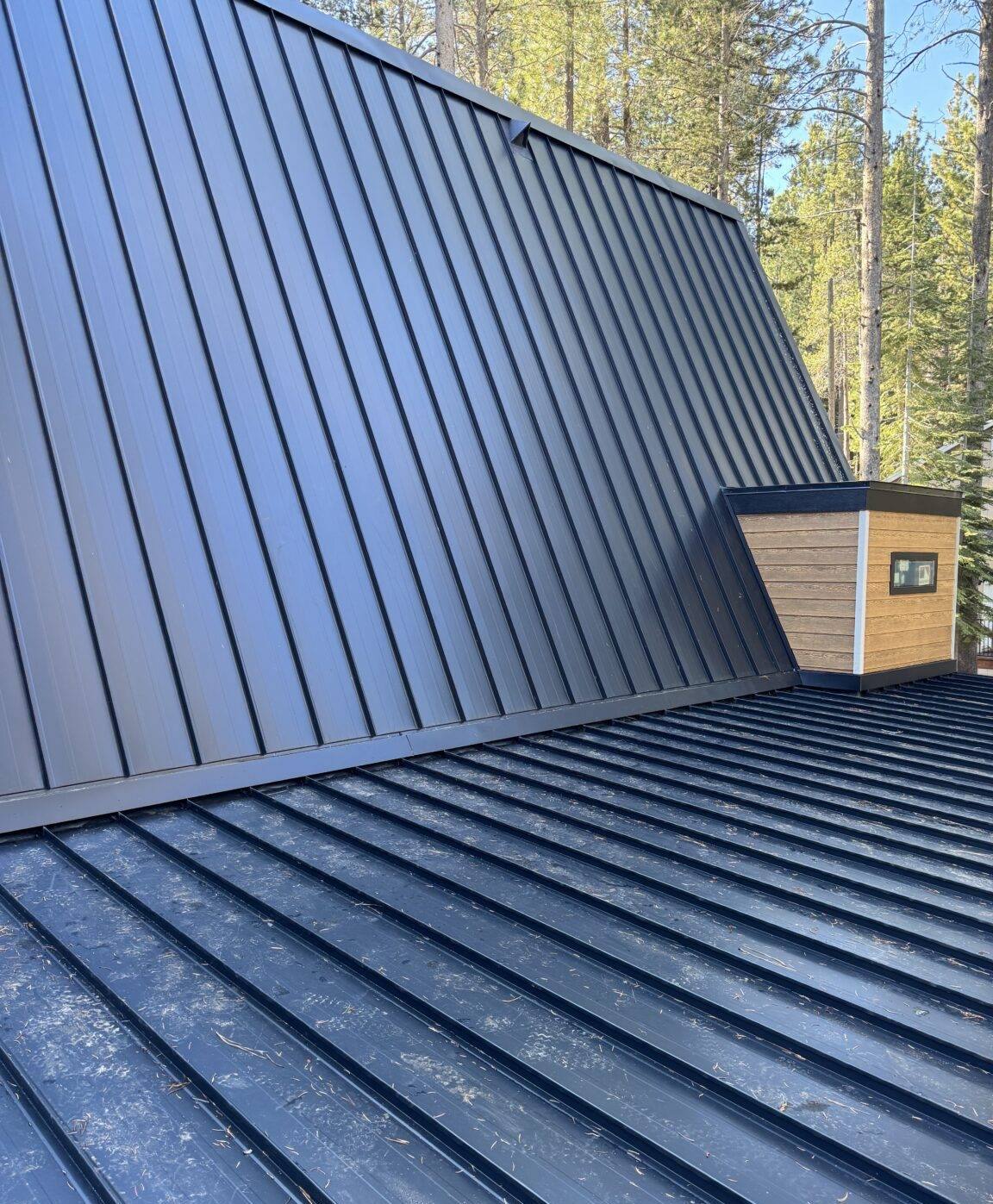
Why Puget's Climate Is Harder on Roofs Than It Looks
Salt Air and Metal Fatigue
Proximity to Bellingham Bay means airborne salt settles on roofing metal — flashing, nail heads, vent caps, gutter hardware — and accelerates corrosion compared to roofs further from the water. Corroded flashing is one of the most common hidden causes of a "mystery leak," because the shingles above and around it can look completely fine while the metal underneath has already failed.
Driving Rain and Wind-Driven Moisture
Whatcom County storms off the water frequently come with sustained wind, which pushes rain sideways and up under shingle laps, ridge caps, and step flashing instead of letting it simply run downhill. A repair that only addresses the surface damage and doesn't check how water moves under wind pressure often looks fixed for a few dry months, then leaks again in the next real storm.
Moss, Shade, and Trapped Moisture
Mature tree cover and a long damp season give moss a long runway to establish itself, especially on north- and east-facing slopes that don't get much direct sun. Moss holds moisture against the roof surface far longer than bare shingle would, which softens shingle mat over time, lifts edges, and creates a foothold for granule loss and eventual leaks — even on a roof that's otherwise nowhere near end of life.
What a Correct Roof Repair Actually Involves
A roof repair done right isn't just patching the spot where water is showing up inside the house. Water travels — the leak point on your ceiling is often several feet away from where it's actually entering the roof. Our process is built to find and fix the real entry point, not just the symptom.
- Trace the leak from the interior stain or damp spot back to its likely source path, accounting for roof slope and framing direction
- Inspect flashing at every penetration near the suspected area — chimneys, vents, skylights, wall-to-roof transitions
- Check for granule loss, cracked or lifted shingles, and soft spots in the decking underneath
- Assess moss coverage and root penetration into the shingle surface, not just visible surface growth
- Confirm attic ventilation and insulation aren't contributing to condensation that mimics a roof leak
- Match repair materials to the existing roof system so the patch weathers consistently with the rest of the roof
Skipping any one of these steps is how a "quick patch" turns into a callback six months later. We'd rather spend the extra time diagnosing correctly than come back to the same house twice for the same problem.
Common Repair Scenarios We See Around Puget
Flashing Failure at Chimneys and Walls
Step flashing and counter-flashing take the brunt of wind-driven rain, and salt exposure shortens the working life of the metal. When flashing fails, water gets behind it rather than shedding off the roof surface, which is why these leaks often show up well away from the chimney or wall itself.
Moss-Related Shingle Damage
By the time moss is visible from the ground, it's often already lifted shingle edges in that area. Repair here means removing the moss safely, checking the shingle mat underneath for damage, and replacing anything that's been compromised — not just power-washing the surface and calling it done, which can drive moisture further under the shingles.
Wind-Lifted or Cracked Shingles
Sustained coastal wind can lift shingle tabs enough to break the seal strip without visibly cracking the shingle. Once that seal is broken, wind-driven rain has a way in even though the roof looks intact from the ground.
Isolated Storm Damage
After a wind event, damage is often localized to one slope or one section rather than the whole roof — which is exactly the kind of situation a targeted repair is meant for, instead of a full re-roof.
Our Process, Start to Finish
- Inspection: We walk the roof (or use a ladder and binoculars where a walk-on inspection isn't safe or appropriate) to find the actual source of the problem, not just the symptom.
- Honest diagnosis: We tell you what's actually wrong, what caused it, and whether a repair is the right call or whether you're better served by a larger conversation. If a repair is the right fix, that's what we recommend.
- Written scope and estimate: You get a clear description of the work, the materials involved, and the cost before anything starts.
- The repair itself: Matching materials, proper flashing technique, and attention to how water actually moves across your specific roof — not a one-size-fits-all patch.
- Cleanup and check-in: Debris removed, work area cleaned, and a final look to confirm the fix addresses what you called us about.
Repair vs. Replacement: How to Tell Which One You Need
Not every roof problem calls for a full replacement, and not every problem should be patched indefinitely. Here's a general framework for how we think about it:
| Factor | Points Toward Repair | Points Toward Replacement |
|---|---|---|
| Age of roof | Well within expected lifespan for the material | At or past expected lifespan |
| Extent of damage | Localized to one area or slope | Widespread across multiple slopes |
| Shingle condition elsewhere | Rest of roof still firm, granules intact | Granule loss and brittleness roof-wide |
| Decking condition | Solid, no soft spots found during inspection | Soft or spongy decking in multiple areas |
| Repair history | First or second repair on this roof | Repeated repairs to the same or nearby areas |
If your roof lands mostly in the repair column, that's what we'll recommend — we don't push replacement on a roof that doesn't need it. If it's leaning toward the replacement side, we'll say so plainly and explain why, so you can make the call with real information instead of guesswork.
Why a Roof Repair Can Fail Even When the Work Looks Fine
A repair can look clean and still fail if it doesn't account for how this specific roof handles wind and moisture. A few things we see cause repeat leaks after someone else's patch job:
- Flashing reused or reinstalled without re-sealing properly at laps and transitions
- Shingles patched over moss or debris instead of the surface being cleaned first
- Nail patterns or fastener placement that don't match manufacturer spec for wind exposure
- Repairs that address the interior leak location instead of tracing back to the true entry point
- No follow-up check on attic ventilation, so trapped moisture keeps causing "leak" symptoms that aren't actually roof leaks at all
We build our repairs to hold up specifically against Puget's combination of salt, wind, and shade — not just to pass a quick visual check on a dry day.
Maintenance That Extends the Life of a Repair
A good repair buys you time, but a little upkeep buys you a lot more. In this area, that mainly means:
- Keeping gutters clear so water sheds properly instead of backing up under the roof edge
- Addressing moss while it's still light rather than letting it establish for another wet season
- Trimming back branches that keep a section of roof shaded and damp longer than the rest
- A periodic visual check after major windstorms, especially for lifted shingle tabs
None of this requires a contractor visit every time — most of it is homeowner-level maintenance. But if you're not sure whether something you're seeing is normal wear or an actual problem, that's a quick, no-obligation question for us rather than something to guess at.
Why Local Experience with Puget Roofs Matters
A crew that already works in this part of Bellingham has seen how these specific conditions play out on real roofs, not just in general climate data. That means knowing which flashing details tend to fail first in salt air, which slopes in this area collect moss fastest given the local tree cover and sun angles, and which wind directions during a storm actually cause the leaks we get called about. That local pattern recognition is what separates a repair that holds from one that's a temporary fix. It also means we're not learning the neighborhood on your dime — we already understand the conditions your roof is up against.
If you've got a leak, storm damage, or a section of roof that's been bothering you, we're happy to take a look and give you an honest read on what it needs. There's no cost and no pressure to move forward — just a straight answer and, if you'd like one, a written estimate. The form below gets you started.