 Bellingham Siding
 Building Decks for Lynden's Climate, Not Against It
Lynden sits inland from the saltwater bays that define so much of Whatcom County, but that doesn't mean the weather goes easy on outdoor structures here. The Nooksack River valley traps moisture, winter fog sits low over the farmland for days at a time, and the same driving rain that pushes in off the Sound reaches Lynden with plenty of force behind it. Add a long moss season that starts in October and doesn't fully let go until June, and you've got a climate that is hard on any deck that wasn't built with drainage, ventilation, and material choice in mind from the start.
A deck that looks great in July but turns green, spongy, or slippery by January wasn't built wrong on purpose — it was probably built to a spec that works fine in a drier climate and just doesn't hold up here. Our approach to custom decks in Lynden starts from the opposite direction: we design and build for the wet months first, because that's when a deck either earns its keep or turns into a maintenance headache.
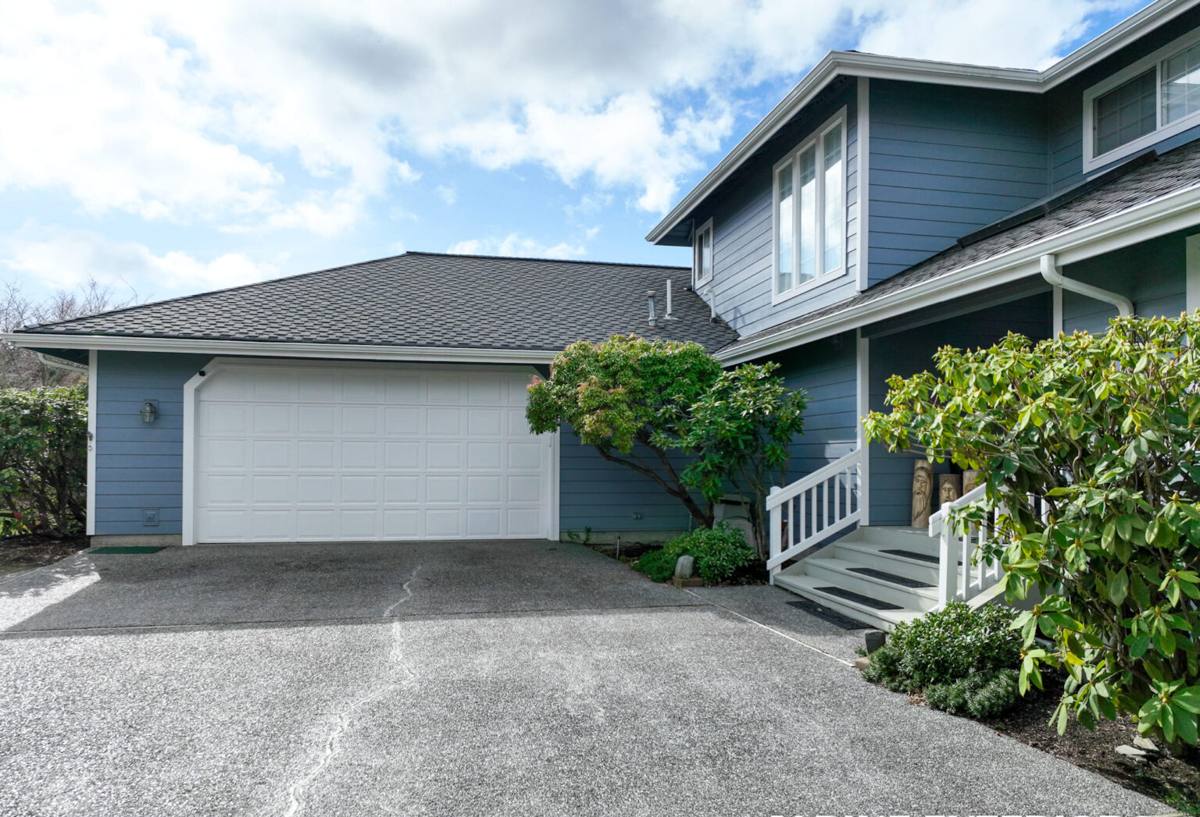
What Lynden Homes Actually Need From a Deck
Drainage Comes Before Design
Before we talk about board patterns or railing styles, we look at where water goes. A deck attached to a house needs a ledger flashing detail that actually sheds water away from the wall assembly, not just a bead of caulk. Joists need enough slope and gap spacing to let water move through rather than pool. On lower decks close to grade — common on the flatter lots around Lynden — we pay close attention to how the ground beneath drains, because a deck sitting over standing water will grow moss and mildew no matter what decking material sits on top.
Moss and Algae Aren't Cosmetic Problems
Moss on a deck isn't just an appearance issue — it holds moisture against the wood or composite surface and makes boards slippery, which is a real fall hazard on stairs and near entry doors. The fix isn't a one-time power wash; it's board spacing that allows airflow underneath, decking material that doesn't wick moisture, and railing and skirting details that don't trap wet debris in corners. We build with the long moss season in mind rather than treating it as something the homeowner has to fight every spring.
Freeze-Thaw and Fastener Movement
Whatcom County winters bring enough freeze-thaw cycling to work loose fasteners and stress joints over a few seasons, especially on decks that weren't fastened with corrosion-resistant hardware to begin with. Every connection on a deck we build — from ledger bolts to joist hangers to hidden fastener systems — is spec'd for exterior, wet-climate use, not just whatever hardware happened to be on hand.
Choosing the Right Decking Material for This Area
There's no single "best" decking material — the right choice depends on how much upkeep a homeowner wants to do and what the deck needs to survive. Here's how the common options actually perform in a wet, moss-prone climate like Lynden's:
| Material | Moisture & Moss Behavior | Maintenance | Typical Lifespan |
|---|---|---|---|
| Pressure-treated wood | Absorbs water if not sealed regularly; prone to moss in shaded, damp spots | Annual cleaning and re-sealing recommended | 15-20 years with upkeep |
| Cedar | Naturally rot-resistant but still needs periodic sealing in this rainfall | Sealing every 2-3 years, regular cleaning | 15-25 years with upkeep |
| Composite decking | Doesn't absorb water like wood, but caps and grooves can still collect moss film if airflow is poor | Periodic washing, no sealing needed | 25-30+ years |
| PVC decking | Fully moisture-resistant surface, least hospitable to moss growth | Occasional washing | 25-30+ years |
We install all of the above, and we'll give you an honest read on trade-offs rather than pushing whatever has the best margin. Wood keeps a warmer, traditional look and costs less upfront but asks for real annual maintenance in this climate. Composite and PVC cost more initially but hand back a lot of that maintenance time, which matters if a deck sits under fir or cedar trees that shed needles and hold moisture against the surface.
Substructure Materials Matter Just as Much
- Use corrosion-resistant or stainless fasteners rated for ground contact and coastal-adjacent humidity
- Choose joist tape or flashing over framing lumber to slow moisture absorption at the most vulnerable points
- Consider composite or PT framing for any structural members within a few inches of grade
- Ventilate under low decks — skirting with gaps or vents keeps air moving instead of trapping damp ground air
Design Decisions That Hold Up Locally
Board Orientation and Spacing
Board direction affects more than looks. Boards run perpendicular to the house typically drain toward the yard faster than boards run parallel to the ledger, which matters when Whatcom County rain arrives sideways during a fall storm. Gapping between boards needs to be wide enough for real drainage but not so wide that debris and grime lodge in the joints and feed algae growth.
Railings, Stairs, and Slip Resistance
Stairs are where moss-related slipperiness turns into an actual injury risk, so we pay extra attention to tread material and drainage on any deck with more than a step or two. Composite decking with raised traction patterns, or wood treads with a textured or grooved surface, both help here. Railings should also be detailed so horizontal surfaces don't become moss-collecting ledges — a small design choice that saves a lot of cleaning later.
Covered vs. Open Decks
A partial roof or pergola over a Lynden deck does more than add shade — it cuts down significantly on the amount of standing rainwater the deck surface sees, which slows moss growth and extends the life of any wood components. It's not required, but for homeowners who want to use the deck through the wetter months, it's worth discussing early in design rather than adding on later.
Our Process for a Custom Deck Build in Lynden
- On-site assessment: we walk the yard, check grade and drainage patterns, and look at sun and shade exposure through the day
- Design and material selection: we go over decking material, framing spec, railing style, and any covered-structure options based on your budget and how you'll use the space
- Permitting: most deck projects in Whatcom County require a building permit, especially for elevated structures or anything attached to the house — we handle that paperwork
- Demolition of the old deck, if applicable: including a check of the ledger and rim joist condition once the old structure is off
- Framing and structural work: built to current code for footings, ledger attachment, and joist spacing
- Decking, railing, and finish work: installed with the fastening and drainage details discussed above
- Final walkthrough: we go over maintenance expectations specific to the material you chose
Repair, Replace, or Rebuild?
Not every deck in rough shape needs a full teardown. If the framing is sound and the problems are limited to surface boards, moss staining, or a few soft spots, a resurface with new decking over solid joists can be the right call. But if the ledger connection is compromised, joists are soft or spongy, or the deck was never flashed correctly at the house, patch repairs just delay a bigger problem. We'll tell you honestly which situation you're in rather than defaulting to "replace everything."
- Soft or springy decking in isolated spots: often a resurface candidate
- Persistent moss and black staining that won't clean off: usually points to a drainage or airflow issue, not just a surface problem
- Visible gaps or rot at the ledger-to-house connection: a structural issue that needs addressing before any cosmetic work
- Loose or wobbly railings: can sometimes be corrected without a full rebuild, but check post connections first
- Deck older than 20 years with unknown fastener history: worth a full structural inspection before deciding
Why Local Experience With Lynden Homes Matters
A deck built to a generic national spec will meet code, but code is a minimum, not a guarantee of how it performs after five wet Whatcom County winters. Crews who work this area regularly know which framing details actually resist moss and rot here, which decking products handle the region's humidity and rainfall well over the long term, and how local permitting and inspection expectations run. That local track record is worth more than a low bid from a crew unfamiliar with what this climate does to a deck over time.
If you're planning a new custom deck or need an honest read on whether your current one needs repair or replacement, we're happy to come out, walk the site, and give you straight answers — no pressure, no upsell. Reach out for a free estimate using the form below.