 Bellingham Siding
 Ferndale's Climate Is Rougher on Siding Than It Looks
Ferndale sits close enough to the water and to the open exposure of northern Whatcom County that homes here take a different kind of weathering than siding fifteen miles inland. It's not dramatic — no hurricanes, no hail the size of golf balls — it's slow, steady, and cumulative. Salt-laden air moving off the water works into seams and fastener heads. Driving rain, pushed sideways by wind off the Strait, finds every gap in flashing and caulk that a calmer climate would never expose. And the long gray stretch from October through April keeps north-facing walls, fence lines, and anything shaded by trees damp enough for moss and algae to take hold and stay there for months.
None of that is unique to any one house. It's the baseline for anything with exterior wood-based siding in this part of Whatcom County, and it's the reason the material and the installation details matter more here than in a drier, more sheltered climate.
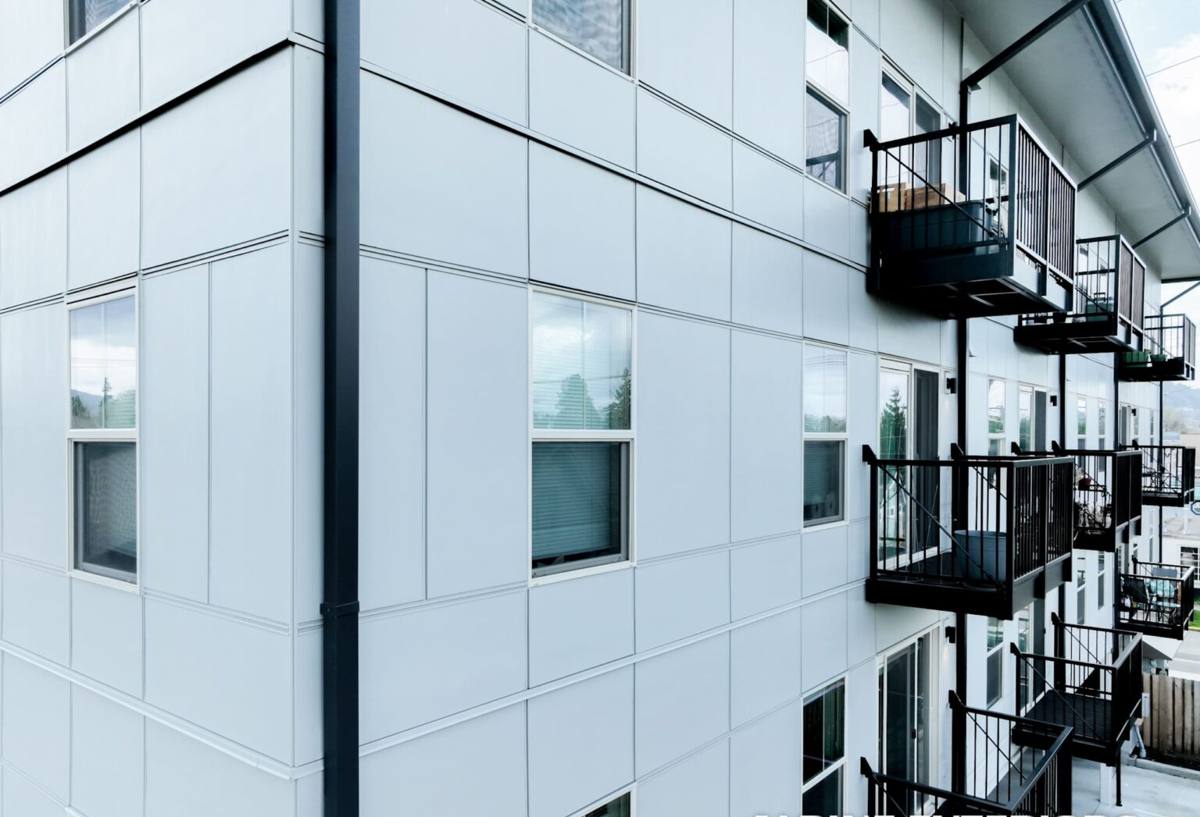
What "Correct" Fiber Cement Installation Actually Means Here
Fiber cement siding is a durable product, but durability lives or dies on installation detail — especially in a wet, salt-air environment. A rushed or generic install can look fine for the first year or two and still fail early where it counts.
The details that matter most locally
- Rain-screen or drainage gap: A ventilated air gap behind the siding lets bulk water and moisture vapor escape instead of sitting against the wall sheathing — critical given how many wet days this area gets each year.
- Flashing at every horizontal break: Window heads, deck ledgers, chimney chases, and butt joints all need proper flashing, not just caulk. Caulk is a backup, not a strategy.
- Fastener pattern and type: Corrosion-resistant fasteners driven to the manufacturer's exact spacing and depth — over-driven nails crack the board's edge and create a water entry point that shows up years later.
- Factory-cut edges sealed on site: Any field cut exposes raw fiber cement that needs to be sealed per the manufacturer's instructions before it's closed in.
- Clearance at grade and hardscape: Siding held up off decks, patios, and soil so splashback and standing moisture don't sit against the bottom course.
Skip any one of these and the siding itself isn't the weak point — the installation is. That's true of any fiber cement product, but it's especially unforgiving in a climate that gives water this many chances to find a way in.
Why We Install Only James Hardie — Nothing Else
We don't install vinyl, LP SmartSide, Cemplank, Allura, primed spruce, or cedar. That's a deliberate standard, not a sales pitch, and it's worth explaining honestly rather than just stating it.
Vinyl is inexpensive and low-maintenance, but it's a plastic product that expands and contracts with temperature swings, can crack in cold snaps, and doesn't hold paint if a homeowner ever wants to change the color. Wood-based engineered siding (like LP SmartSide) and traditional wood or primed spruce products perform well when kept perfectly sealed, but wood-based cores are more sensitive to sustained moisture exposure — and sustained moisture is exactly what this climate delivers for half the year. Cedar is a beautiful traditional material, but it demands a real maintenance commitment (refinishing, moisture monitoring) that most homeowners don't want to sign up for indefinitely. Other fiber cement brands like Cemplank or Allura are legitimate competitors to Hardie, but we've standardized on one manufacturer so our crews install one system, to one spec, with one warranty structure — rather than juggling install details across several product lines.
James Hardie fiber cement is non-combustible, engineered specifically for different climate zones (their HZ5 product line is built for wetter, harsher climates like ours), finished with a factory-applied ColorPlus coating that resists fading and doesn't require field painting for years, and backed by a strong transferable warranty when installed by a certified crew to spec. It's the product we're willing to put our name behind on every job.
How Fiber Cement Compares for a Coastal, Wet Climate
| Siding Type | Moisture Behavior | Salt-Air Durability | Maintenance Burden |
|---|---|---|---|
| James Hardie Fiber Cement (HZ5) | Cement-based core, not moisture-absorbent | Excellent when installed and finished to spec | Low — occasional wash, no refinishing for years |
| Vinyl | Doesn't absorb, but seams and panels can warp/crack in temperature swings | Fair — can chalk and fade over time | Low, but not repaintable |
| Engineered Wood (LP SmartSide) | Treated core, but sensitive to sustained wetting at cut edges/seams | Fair to good with diligent sealing | Moderate — edge sealing and inspection matter |
| Cedar / Primed Spruce | Natural wood — absorbs and releases moisture, prone to rot if neglected | Fair — needs consistent finish maintenance | High — periodic refinishing required |
Our Process for a Ferndale Job
1. On-site assessment
We walk the home and look specifically at moss and algae staining patterns, current siding condition at grade, flashing at windows and rooflines, and any areas showing past water intrusion. This tells us where past installation shortcuts are already costing the homeowner.
2. Tear-off and sheathing check
Once old siding is off, we inspect the wall sheathing itself. Any soft or water-damaged sheathing gets addressed before new siding goes on — covering over a compromised wall with new siding just hides the problem.
3. Water management layer
House wrap or weather-resistant barrier, properly lapped and taped, plus a drainage gap where the assembly calls for it. This is the layer that does the real work in a wet climate — the siding is the visible finish, not the only line of defense.
4. Flashing and fastening to spec
Every window, door, and horizontal transition gets flashed correctly. Fasteners go in at the manufacturer's spacing, with corrosion-resistant hardware appropriate for a coastal-influenced environment.
5. Final detailing and walkthrough
Caulk joints, touch-up paint on any field cuts, and a final walkthrough with the homeowner so they know exactly what was done and what basic upkeep (if any) is expected going forward.
Why a Crew That Already Works Ferndale Is Worth Choosing
Installation quality on fiber cement siding isn't something a homeowner can easily verify by eye once the job is finished — the flashing, the drainage gap, the fastener depth are all covered up by the time the crew leaves. That's exactly why local experience matters. A crew that's already worked houses in Ferndale and the surrounding Bellingham area has seen firsthand where generic installation instructions fall short against this specific combination of salt air, wind-driven rain, and prolonged damp shade. They know which orientations on a given lot tend to hold moisture longest, which trim details need extra attention near the water, and what moss growth patterns actually indicate about a wall's drying capacity.
That experience shows up in decisions a homeowner never sees being made — cut placement, extra flashing at a vulnerable transition, an extra day spent getting a drainage detail right — rather than in anything that gets marketed after the fact.
Living With It: Moss Season and Long-Term Upkeep
Fiber cement resists moss and algae far better than wood-based siding, but nothing in this climate is entirely immune to organic growth on shaded, north-facing walls. The advantage with correctly installed Hardie is that a gentle wash removes surface growth without damaging the material or the factory finish underneath — there's no bare wood grain for spores to root into.
- Rinse shaded or heavily-treed elevations once a year, more often if moss is visible.
- Keep gutters clear so overflow doesn't run down the siding face and stay wet longer than necessary.
- Trim back vegetation that keeps a wall section shaded and damp through the winter.
- Have caulking at trim and penetrations checked every few years — caulk is the one component that wears out before the siding does.
What to Ask Before Hiring Anyone for This Job
- Are they certified to install the specific Hardie product line being quoted?
- Will they detail the drainage/rain-screen approach in writing, not just verbally?
- Do they inspect and address sheathing condition before re-siding, or just install over what's there?
- Can they explain their flashing approach at windows and horizontal transitions specifically?
- Have they worked on homes in Ferndale or comparable coastal-exposure areas of Whatcom County before?
If you're weighing a siding replacement in Ferndale and want a straight answer about what your home actually needs — not a generic estimate — we're glad to walk the property with you. The estimate is free, there's no pressure, and you'll get a clear explanation of what correct installation looks like for your specific home.