 Bellingham Siding
 Why Barkley Homes Need Windows Built for Bellingham's Climate
Barkley sits inside one of the wetter, mossier corners of Whatcom County, and the windows on a typical home here take a beating that windows in drier parts of the state never see. Between salt-laden air blowing in off Bellingham Bay, rain that comes in sideways more often than straight down, and a moss season that can stretch from October into May, an ill-fitted or worn-out window doesn't just look bad — it becomes the weak point where water, cold, and rot get into the wall.
Salt Air and Marine Exposure
Even away from the immediate waterfront, salt-laden moisture travels on the wind and settles on siding, trim, and window hardware. Over years it accelerates corrosion on cheap fasteners, hinges, and cladding, and it speeds up the breakdown of caulk and sealants that aren't rated for coastal exposure. Windows installed without corrosion-resistant hardware and marine-grade sealants tend to show hardware failure and sash sag years before they should.
Driving Rain and Wind-Driven Water
Bellingham's storms frequently push rain sideways against west- and south-facing walls, which means water is being forced against and around window openings, not just falling on top of them. A window that's watertight in calm weather can still leak under wind-driven rain if the flashing, sill pan, and sealant details weren't done correctly. This is one of the most common causes of hidden water damage we find behind older siding and trim.
Moss, Shade, and a Slow-Drying Season
Many Barkley lots carry mature trees and enough shade that surfaces stay damp for days after a storm passes. That slow drying time lets moss and algae take hold on sills, trim, and low-slope surfaces near windows, and it means any water that does get past a seal has less chance to evaporate before it starts feeding rot. Window materials and finishes that hold up in full sun elsewhere in Washington don't always perform the same way under Bellingham's shade and moisture.
Temperature Swings and Indoor Condensation
Bellingham's marine climate also means humid air outside and cooler surfaces inside during a lot of the year, which is exactly the recipe for condensation on window glass and frames. Older or poorly sealed windows tend to fog, sweat, and eventually grow mold at the sill because warm, moist indoor air is hitting a cold surface with nowhere for that moisture to go. Correctly rated glass and a tight, properly insulated installation cut down on that condensation significantly, which matters as much for the health of the wall as it does for a clear view.
What Barkley's Mix of Homes Means for Window Replacement
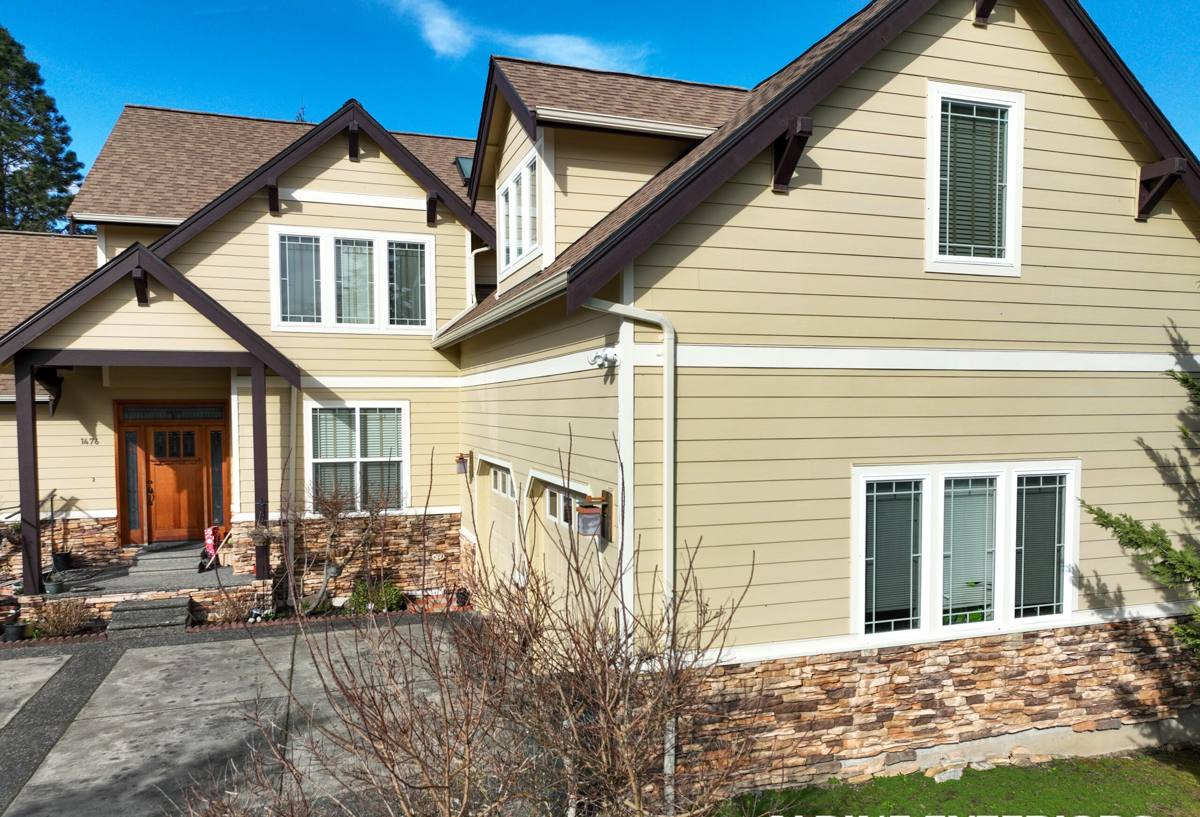
Barkley has a mix of home ages and construction styles, from older single-family houses with original wood-frame windows to newer construction with vinyl units installed during a previous remodel. That mix matters because the right replacement approach depends heavily on what's already there. An older home may have out-of-square openings, hidden rot behind the original trim, or wall assemblies that were never designed with modern moisture barriers. A newer home may have builder-grade windows that were adequate on day one but were never flashed or sealed to the standard a long-term coastal installation needs. Neither situation gets solved by ordering a stock window and caulking it into place.
What a Correct Custom Window Installation Actually Involves
Custom means the unit is built or ordered to the actual, as-measured opening rather than forcing the opening to fit a stock size. That's only half the job, though — the installation details matter as much as the window itself, especially in a climate where wind-driven rain is a regular event.
Removal and Opening Prep
The old window and any damaged trim come out carefully so we can see the actual condition of the framing, sheathing, and any existing flashing. This is where hidden rot or past water intrusion shows up, and it needs to be dealt with before a new window ever goes in — covering over a wet or rotted opening just hides the problem behind a new frame.
Flashing and Water Management
A sill pan and properly lapped flashing at the head, jambs, and sill are what actually keep wind-driven rain out over the long run — the window and its caulk line are the backup, not the primary defense. Flashing tape and housewrap need to be integrated in the right order, shingle-lapped, working top over bottom, so water is always directed outward and down, never trapped behind the siding.
Air Sealing and Insulation
The gap between the window frame and the rough opening needs to be sealed against air infiltration and insulated, but not packed so tight that it distorts the frame and causes the sash to bind. Low-expansion foam or backer rod and sealant, used correctly, control drafts and condensation without putting pressure on the unit.
Setting, Shimming, and Final Fastening
The window has to be set plumb, level, and square, shimmed at the manufacturer's specified points, and fastened without over-driving screws that can bow the frame. A window that's slightly out of square will bind, won't seal evenly, and will wear its weatherstripping and hardware unevenly for the rest of its life.
Choosing Materials and Glass for a Wet, Salty Climate
There's no single "best" window material — the right choice depends on the home, the budget, and how much upkeep the homeowner wants to take on. Here's how the common options compare for a Bellingham-area home:
| Material | Moisture Behavior | Maintenance | Typical Fit for Barkley Homes |
|---|---|---|---|
| Vinyl | Won't rot; seams and welds are the main watch point | Low — occasional cleaning | Strong value option for most homes |
| Fiberglass | Very stable through moisture and temperature swings | Low | Good where budget allows, especially larger units |
| Wood-clad | Cladding protects the wood, but any breach exposes it to rot | Higher — cladding and seals need periodic inspection | Best for homes prioritizing an interior wood look |
| Aluminum | Conducts cold and can condense; corrosion risk near salt air | Moderate | We generally steer homeowners away from it in this climate |
For glass, double-pane with a low-E coating and an argon fill is the practical baseline for this climate — it cuts heat loss and reduces condensation risk on cold, damp days. Triple-pane adds another layer of performance and is worth discussing on north- or west-facing rooms that take the brunt of Bellingham's wind and cold, though it comes at a real cost and weight difference that matters for larger openings.
What Drives the Price
Every custom window project is priced around a handful of real factors: the number and size of openings, the condition of the framing once the old window is out (rot repair adds labor that can't be predicted until we're inside the wall), the material and glass package you choose, how much trim and siding tie-in work is needed to finish the opening cleanly, and site access for larger or hard-to-reach openings. Because so much of that depends on what we find once a window comes out, we'd rather walk the property and give you a real number than guess over the phone.
Energy Performance and Whatcom County's Energy Code
Washington's state energy code sets minimum performance requirements for replacement windows, and those requirements exist because a home's windows are one of the biggest sources of heat loss in a cool, damp climate like ours. A window's U-factor rating tells you how well it resists heat flow — lower is better — and its condensation resistance rating matters just as much here given how often outside humidity runs high. On paper, two windows can carry similar ratings and still perform very differently once installed, because a rated window that's poorly sealed or improperly insulated around the frame won't deliver the performance printed on its label. Part of doing this job right is making sure the installation itself doesn't undercut the product you paid for.
Our Process, Start to Finish
- On-site measurement and inspection of every opening, including a look at the condition of the surrounding trim, siding, and any signs of past water intrusion.
- A written estimate that spells out material, glass package, and what the flashing and sealing plan will be — not just a per-window price.
- Custom ordering to the as-built opening sizes, which avoids the gaps and packing-material fixes that come with forcing a stock size to fit.
- Removal, opening inspection, and any needed repair to framing or sheathing before the new window goes in.
- Flashing, sill pan, and housewrap integration done in the correct shingle-lap order.
- Setting, shimming, insulating, and fastening the window to manufacturer specification.
- Exterior trim, caulking, and touch-up finish work.
- A final walkthrough where we check operation, seal lines, and answer questions before we consider the job done.
Mistakes We Catch on Barkley Replacements
When we're called in to fix a window that was installed by someone else, it's usually one of the same handful of shortcuts. Homeowners comparing quotes should watch for these:
- No sill pan or flashing plan mentioned in the quote — just "install and caulk."
- Caulk being used as the only water barrier instead of a backup to proper flashing.
- Stock-size windows forced into openings with excessive shimming or foam packing.
- No mention of what happens if rot or damage is found once the old window is out.
- Aluminum or bargain hardware on a home with direct exposure to marine air.
- A rushed one-day, whole-house install with no time budgeted for opening prep.
Living With Your New Windows: Maintenance in Whatcom County's Climate
Even a correctly installed window needs a small amount of upkeep in this climate. Sills and tracks should be cleared of moss, needles, and debris a couple of times a year so water has a clear path to drain. Weep holes on vinyl and fiberglass units can clog with pollen and grime and should be checked, especially on shaded sides of the house where things stay damp longer. It's worth a quick look at exterior caulk lines each fall, before the heavy rain sets in, since UV and temperature cycling will eventually cause any sealant to need a touch-up — this is a five-minute check, not a major job, but skipping it for years is how small gaps turn into water damage. If you notice new condensation building up on the inside of a recently replaced window, it's worth a call — it usually points to an installation or ventilation issue rather than the window itself, and it's easier to correct early.
Why It Matters to Hire a Crew That Already Works in Barkley
A crew that's worked on homes in and around Barkley already knows what to expect once the old window comes off the wall — the typical framing quirks of homes from different eras, how local wind exposure varies from one side of a lot to another, and what level of flashing detail actually holds up through a Whatcom County winter. That familiarity means fewer surprises, a more accurate estimate up front, and a crew that isn't learning the climate on your house. It also means someone who will still be around the following year if a question comes up, rather than an out-of-area company that installed once and moved on. Some parts of Barkley fall under shared development standards or design guidelines tied to a planned community — if that applies to your property, a crew that's dealt with it before can help you figure out what's required before work starts, rather than you finding out after the fact.
If you're weighing custom window replacement for a home in Barkley, we're glad to come take a look and put together a straightforward, no-pressure estimate — use the form below to get started.