 Bellingham Siding
 Roofing in Columbia: A Different Climate Than It Looks
The Columbia neighborhood sits close enough to Bellingham Bay to catch salt-laden air off the water, and close enough to Whatcom Creek and the surrounding tree cover to stay shaded and damp for long stretches of the year. That combination is harder on a roof than either factor alone. Salt air accelerates corrosion on exposed metal fasteners and flashing. Shade from mature trees keeps roof decks from drying out fully between storms. And Whatcom County's driving rain, which often comes in sideways off the water, finds any weak point in flashing or underlayment that a drier climate would never expose.
Add in a moss season that can run from fall through spring, and you get a roofing environment that punishes shortcuts. A roof installed the same way you'd install one in a dry inland climate will underperform here, sometimes by years. This page covers what a correct new roof installation looks like specifically for Columbia homes, and why local experience matters as much as the materials themselves.
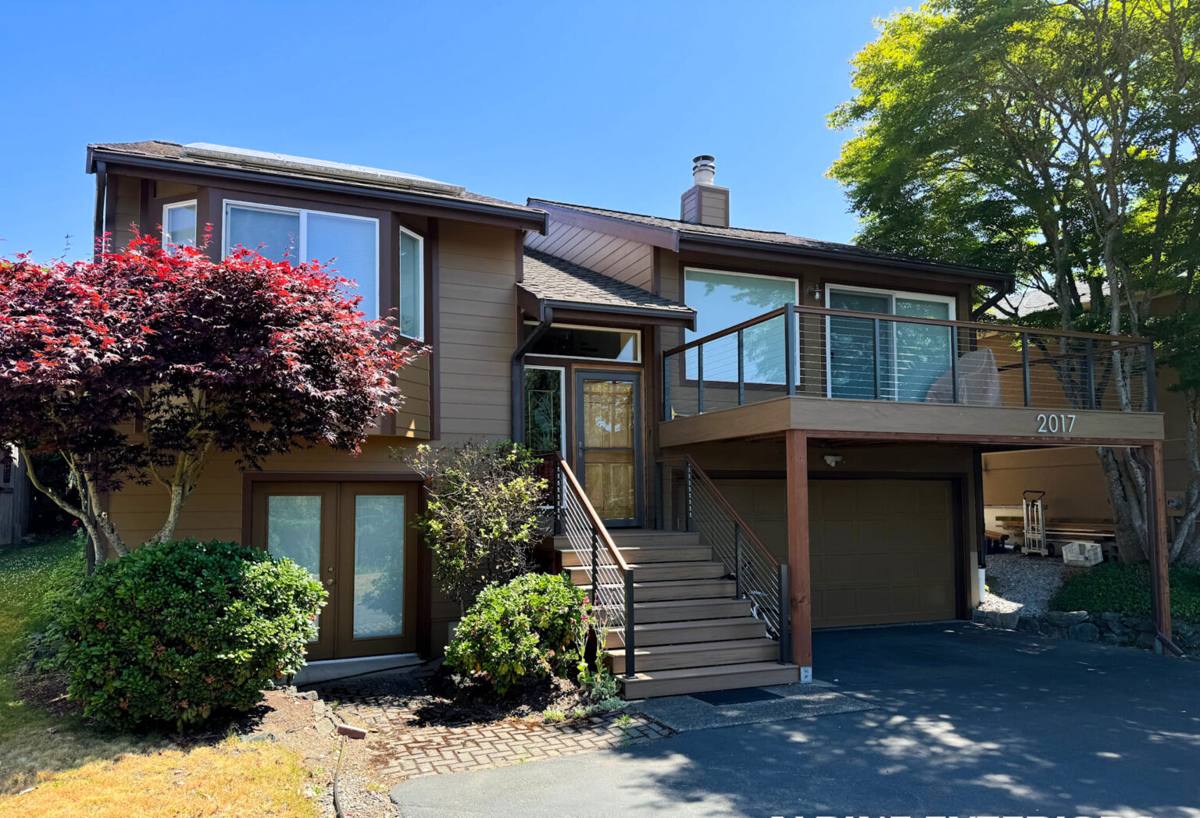
How to Tell a Columbia Roof Needs Replacement, Not a Repair
Not every roof problem calls for a full tear-off. But there's a point where patching becomes false economy, especially on a roof that's already fighting moss, moisture, and salt exposure year-round. Signs worth taking seriously include:
- Granule loss heavy enough that you're finding shingle granules in gutters every time it rains
- Moss establishing itself in the shingle mat, not just sitting on the surface — this means moisture is already being held against the roof deck
- Soft spots or sagging when walked, which usually means deck rot has already started
- Daylight visible through the attic sheathing, or consistent damp spots on attic insulation
- Multiple roofers in the last few years, patch after patch, with no improvement in leaks
- A roof original to a home built more than 20-25 years ago, especially one with heavy tree cover
If a roof is showing two or more of these, a proper inspection is worth doing before winter storms make the decision for you.
What a Correct New Roof Installation Actually Involves
A new roof isn't just stripping old shingles and nailing down new ones. In a climate like Bellingham's, several steps matter more than they would elsewhere, and skipping them is exactly how a "new" roof ends up with the same moss and moisture problems within a few years.
Full Tear-Off and Deck Inspection
We remove the old roofing down to the deck rather than layering over it. That's the only way to actually see the plywood or plank sheathing underneath, which is where moisture damage hides on shaded, moss-prone roofs. Any soft, delaminated, or rotted decking gets replaced before anything new goes down — installing new roofing over a compromised deck just guarantees an early failure.
Underlayment and Water-Shedding Layers
Given the amount of driving rain Whatcom County sees, we don't treat underlayment as an afterthought. Synthetic underlayment across the full roof, with self-adhering ice-and-water membrane at eaves, valleys, and any low-slope transitions, gives the roof a real second line of defense if wind-driven rain ever gets past the primary roofing material.
Ventilation and Moisture Control
Tree-shaded roofs stay cooler and damper than roofs in full sun, which changes how they need to breathe. Balanced intake and exhaust ventilation keeps the attic space closer to outdoor temperature and humidity, which reduces condensation on the underside of the deck and slows the conditions moss needs to take hold in the first place. A roof that looks right from the ground but was installed without adequate ventilation is one of the more common causes of premature failure we see on re-roofs in this area.
Flashing and Valleys
Flashing around chimneys, skylights, sidewalls, and valleys is where most leaks actually originate, not in the open field of shingles. We install new flashing rather than reusing old pieces, and we pay particular attention to valleys, since that's where volume and velocity of water are highest during a heavy Pacific storm.
Material Options for a Columbia Home
There's no single "best" roofing material for every home — it depends on the roof's exposure, the home's style, and how much long-term maintenance the homeowner wants to take on. Here's an honest comparison of the options most Columbia homeowners are choosing between:
| Material | Moss / Moisture Resistance | Typical Lifespan | Maintenance | Rough Cost Range |
|---|---|---|---|---|
| Architectural asphalt shingle | Good, especially with algae-resistant granules | 25-30 years | Periodic moss treatment recommended | Moderate |
| Standing seam metal | Excellent — sheds moisture, little surface for moss to grip | 40-50+ years | Low, mainly fastener checks over time | Higher upfront |
| Synthetic/composite shingle | Very good, engineered to resist moisture uptake | 30-50 years depending on product | Low | Moderate to higher |
| Cedar shake | Requires diligent upkeep in a wet, shaded climate | 20-30 years with maintenance | High — regular treatment and cleaning | Higher |
We don't push cedar shake on heavily shaded Columbia lots as a default recommendation. It can look great, but in a damp, tree-covered setting it demands a maintenance schedule most homeowners underestimate going in — that's a trade-off worth knowing before you commit, not a knock on the material itself. For most shaded lots in this neighborhood, architectural asphalt with algae-resistant granules or a synthetic composite gives the best balance of appearance, cost, and moisture performance.
Our Process for a Columbia Re-Roof
Because we've worked roofs throughout this neighborhood, we already know what to expect before we start: mature tree canopy that needs protecting during tear-off, driveways and access that are often tighter than newer subdivisions, and homes old enough that deck condition is never a given. Our process is built around that:
- On-site inspection of the current roof, deck, attic ventilation, and any trouble spots you've noticed
- Written estimate that spells out material options, tear-off scope, and any deck repair contingencies up front — no surprise change orders for things we could have caught during inspection
- Protection of landscaping, siding, and windows before tear-off begins
- Full tear-off, deck inspection and repair, then underlayment, flashing, and final roofing installation
- Magnetic sweep and full site cleanup, including gutters, before we consider the job done
- Walkthrough so you know exactly what was installed and what maintenance, if any, it needs going forward
What to Expect Before You Sign a Contract
A little bit of homework up front saves a lot of frustration later, especially with a project as weather-exposed as a roof. Before hiring anyone for a new roof installation, it's worth confirming:
- They'll do a full tear-off rather than a recover, and explain why for your specific roof
- The estimate names actual products and brands, not just "30-year shingle" with no manufacturer
- Ventilation is part of the plan, not an afterthought added if you ask
- They carry current Washington contractor licensing and liability insurance, and can show it without hesitation
- The warranty terms are written down — both the manufacturer's material warranty and the contractor's workmanship warranty
- They can speak specifically to how the roof will handle moss and moisture in a shaded, coastal-influenced setting like Columbia, not just generic roofing talk
Timing and Weather Considerations
Roofing can be done in Bellingham through most of the year, but scheduling around Whatcom County's wet season matters more here than in drier climates. We plan tear-offs in sections when weather is uncertain, so a home is never left with an open deck overnight during an active storm system. Spring and summer offer the most predictable windows, but a well-managed fall or winter install is entirely possible when the crew plans for it rather than just hoping the rain holds off.
Why Local Experience in Columbia Specifically Matters
Roofing crews that only occasionally work in this part of Bellingham tend to underestimate two things: how much moisture a shaded, tree-covered roof holds onto compared to an open one, and how much local moss pressure actually shortens a roof's effective lifespan if ventilation and materials aren't matched to it correctly. A crew that's already worked multiple roofs in this neighborhood isn't guessing at how the salt air, rain patterns, and canopy cover will interact with a given roofing system — it's applied knowledge from doing it on similar homes nearby, which shows up in fewer callbacks and a roof that actually performs the way it was sold to.
If your roof in Columbia is showing its age or you just want an honest opinion on whether repair or replacement makes more sense, we're glad to take a look. The estimate is free, there's no pressure, and you'll get a straight answer about what your roof actually needs — use the form below to get started.