 Bellingham Siding
 Deck Building in Barkley: Built for How This Neighborhood Actually Weathers
Barkley sits close enough to the water and the lowland drainage patterns of Bellingham that a deck here lives a different life than one built on the drier east side of Washington. Salt-tinged air off Bellingham Bay, long stretches of driving rain through fall and winter, and a moss season that can run eight months or more all work on wood, fasteners, and footings in ways that show up as soft boards, black streaks, and slippery surfaces within just a few years if the deck wasn't built with this climate in mind. We build decks in Barkley the way this ground and this weather demand, not the way a generic framing crew from a drier region would.
A deck is one of the few home features that's outdoors year-round and load-bearing at the same time. That combination means the build quality matters more here than almost anywhere else on the house. Get the structure, drainage, and material choices right and a Barkley deck can serve a family for decades. Get them wrong and you're looking at rot repair, resurfacing, or a full rebuild well before the mortgage is paid off.
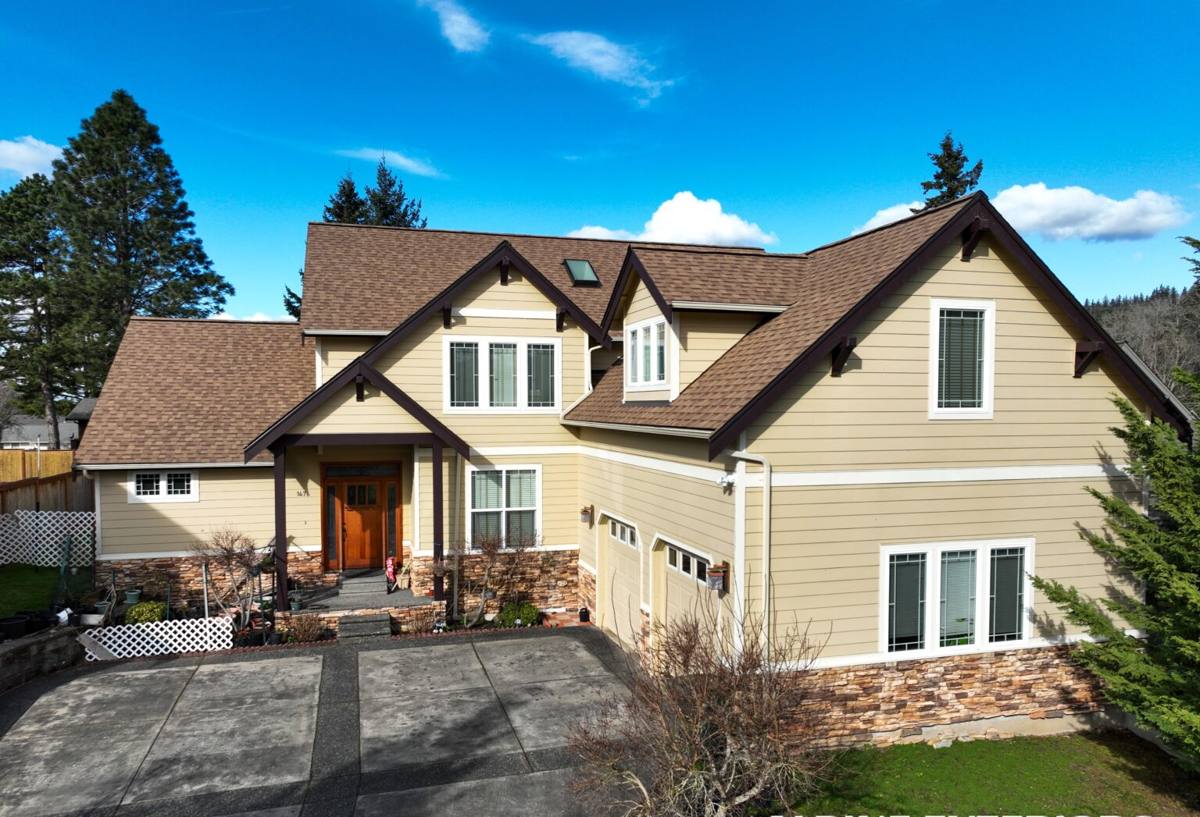
What Whatcom County Weather Does to a Deck
Understanding the failure points helps explain why we build the way we do. Three regional factors drive almost every deck problem we see in this area:
- Driving rain and standing moisture — Bellingham's rainfall is spread across many months rather than concentrated in a few storms, which means wood, fasteners, and ledger connections stay damp far longer than in a climate with the same annual total rainfall but fewer wet days.
- Moss and algae growth — shaded areas of a deck, especially north-facing sections or spots under tree cover common around Barkley yards, stay damp long enough for moss and algae to establish. Beyond looking bad, moss holds moisture against the decking surface and creates a genuine slip hazard.
- Salt air influence — proximity to Bellingham Bay means airborne salt reaches fasteners, flashing, and any exposed metal hardware. Standard hardware corrodes faster here than it would inland, which is why fastener selection is not a place to cut corners.
None of these factors are dramatic on their own. The problem is that they compound year after year on a structure that's outside, exposed, and often lower-maintenance-priority than the roof or siding — until a board fails underfoot or a railing post goes soft.
What a Correctly Built Deck Requires Here
Footings and Framing
Everything starts below the decking boards. Footings need to sit at proper depth and bear on solid, well-drained soil — a shortcut here is invisible on day one and expensive in year five. Framing lumber should be rated for ground contact or exposure where it's closest to grade, and every structural connection point (ledger to house, post to beam, joist to beam) needs corrosion-resistant hardware suited to a marine-influenced climate, not generic zinc-coated fasteners that were never rated for this kind of long-term moisture and salt exposure.
The Ledger Connection
The ledger board — where the deck attaches to the house — is the single most common source of catastrophic deck failure nationally, and it's especially unforgiving in a wet climate. Proper flashing at this joint keeps water from wicking into the house's rim joist and rotting it from the inside, often invisibly, for years. This is one detail we never shortcut, even on smaller deck projects.
Decking Material
Homeowners in Barkley generally choose between a few practical paths:
| Material | Upfront Cost | Maintenance | How It Handles Local Climate |
|---|---|---|---|
| Pressure-treated wood | Lowest | Annual cleaning, periodic sealing | Good if sealed regularly; neglect leads to graying, splintering, and faster moss growth |
| Cedar | Moderate | Regular sealing to hold color and resist moisture | Naturally more rot-resistant than treated pine but still needs upkeep in constant damp |
| Composite decking | Higher | Occasional washing, no sealing or staining | Handles year-round moisture and moss exposure with the least ongoing effort |
There's no universally "right" choice — it's a tradeoff between upfront budget and how much annual maintenance a homeowner wants to take on. We'll walk through the honest tradeoffs for your specific yard, sun exposure, and budget rather than push whatever has the best margin.
Drainage and Grading Around the Deck
A deck doesn't exist in isolation — how water moves around and under it matters as much as the structure itself. In Barkley's clay-heavy and often poorly draining soils in certain yards, water that pools under a low deck has nowhere to go, which keeps the framing damp long after a storm has passed. Part of a correct build is making sure grading directs water away from footings and that there's enough clearance under the deck for air to circulate and framing to dry out between rain events. On lower decks close to grade, we sometimes recommend a gravel bed or drainage improvements underneath rather than just building on top of whatever grading already exists.
Railings, Stairs, and Code Requirements
Railings and stair details aren't optional extras — they're code-driven safety elements, and they're also where moisture damage shows up early because end grain and joinery in railing posts trap water. We build railing systems with the same corrosion-resistant hardware standard as the rest of the structure, and we make sure stair stringers and post connections meet current code for height, spacing, and load. If your project involves a permit (most raised decks in Bellingham do), we handle that process as part of the build rather than leaving it to the homeowner to sort out.
Our Deck Building Process in Barkley
- On-site assessment — we look at your yard's drainage, sun/shade pattern, existing structure if there's a deck to replace, and how the space will actually be used.
- Design and material conversation — honest tradeoffs on decking material, railing style, and layout based on your budget and maintenance appetite.
- Permitting — we prepare and submit what's needed for your project so it's inspected and legal, not something you have to chase down later.
- Demolition (if replacing an old deck) — careful removal and disposal, checking the ledger and rim joist area for hidden rot before we build anything new on top of it.
- Framing — footings, posts, beams, joists, and the ledger connection, built to current code and to the corrosion-resistant hardware standard this climate requires.
- Decking, railings, and stairs — installed to manufacturer spec if composite, or properly spaced and fastened if wood.
- Final walkthrough and inspection sign-off — we don't consider the job done until it's passed inspection and you've walked the finished deck with us.
Maintaining a Deck Through a Bellingham Winter
Even a well-built deck needs some seasonal attention in this climate. A short annual routine keeps small issues from becoming expensive ones:
- Clear leaves and debris from between boards before fall rains set in — trapped organic matter holds moisture and accelerates both rot and moss growth.
- Check and clean gaps around the ledger flashing for debris buildup.
- Sweep or scrub shaded, moss-prone areas periodically through the wet season rather than waiting until spring.
- Inspect railing posts and stair stringers annually for soft spots, especially where wood meets a fastener or the ground.
- Reseal wood decking on the manufacturer's recommended schedule — skipping a year in this climate compounds faster than in drier regions.
- Confirm gutters and downspouts near the deck are directing roof runoff away from the structure, not onto it.
Why a Crew That Already Works Barkley Makes a Difference
Deck building isn't just carpentry — it's carpentry that has to survive a specific climate. A crew that's built and repaired decks throughout Whatcom County already knows which fastener grades hold up near the bay, which yards in this area have drainage quirks, and which decking materials actually perform the way they're marketed once they've seen a few real Bellingham winters. That local track record shows up in fewer callbacks, fewer surprises during permitting, and a deck that's still solid well past the point where a corner-cut build would be showing problems.
We're not interested in the fastest, cheapest deck we can frame and walk away from. We're interested in building something that holds up to salt air, driving rain, and moss season for years, because that's what a Barkley deck actually has to do.
If you're planning a new deck or need to replace one that's showing its age, we're happy to walk your property, look at what you're working with, and give you a straightforward, no-pressure estimate — just fill out the form below.