 Bellingham Siding
 Roofing in York: An Older Neighborhood Facing a Wet Climate
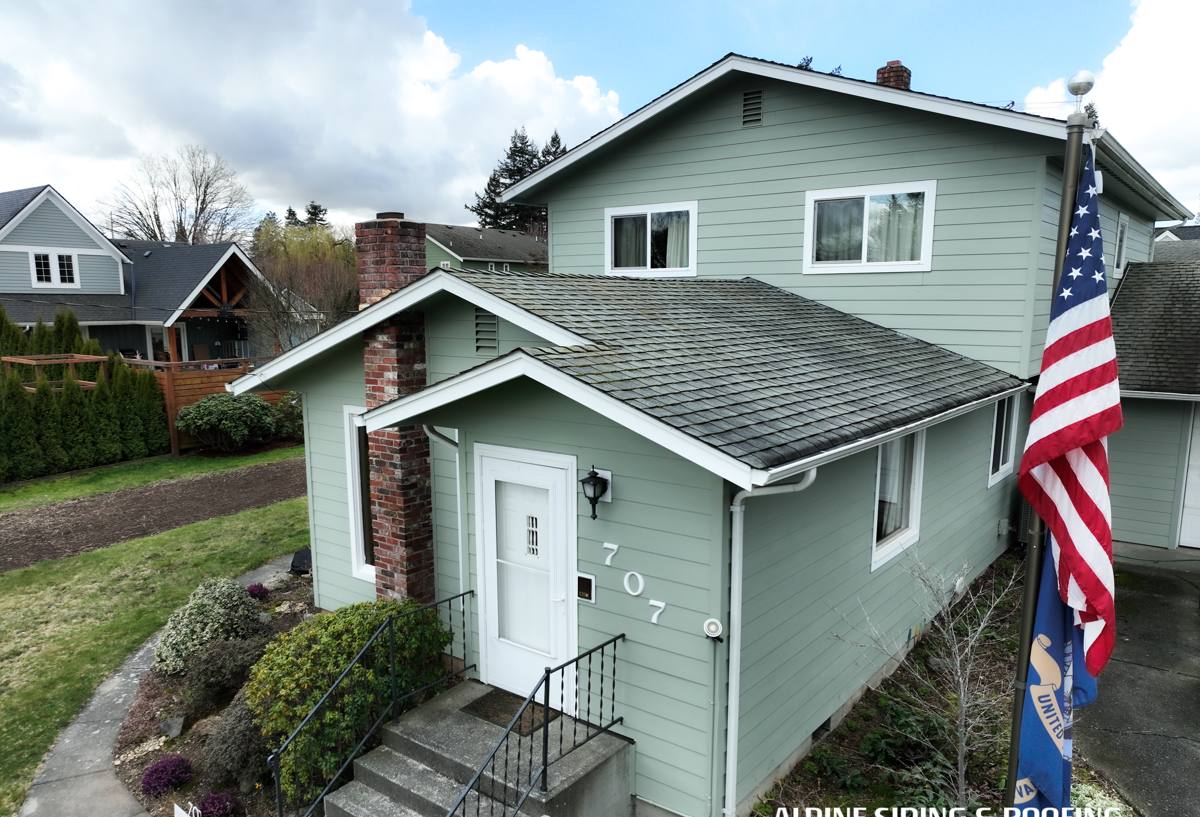
York is one of Bellingham's older, established neighborhoods, which means a lot of the housing stock has roofs that have already been through several Whatcom County winters — and in some cases, several roofing systems. Whether your home has a roof that's original to the house or a re-roof from a decade or two back, the same regional conditions apply: proximity to Bellingham Bay brings salt-laden air, the Pacific storm track brings driving, wind-pushed rain, and the shaded, tree-lined character of many York streets means moss and organic debris are a near-constant maintenance issue rather than an occasional nuisance.
Roof repair in this kind of environment isn't just about patching a leak when it shows up. It's about understanding how a roof in this specific setting fails over time, and fixing it in a way that holds up to the next ten winters, not just the next dry week.
Why Roofs in This Part of Bellingham Wear the Way They Do
Salt Air and Metal Fasteners
Homes closer to Bellingham Bay deal with a slow, steady exposure to salt-carrying air. Over years, this accelerates corrosion on exposed metal — nail heads, flashing edges, gutter hardware, and any fasteners that aren't properly coated or protected. A roof that looks fine from the ground can have flashing or fastener corrosion that's already let water in.
Driving Rain, Not Just Rain
Whatcom County doesn't just get a lot of rain — a meaningful share of it comes in sideways during winter storms. Wind-driven rain finds its way under lifted shingles, through marginal flashing, and around penetrations (vents, chimneys, skylights) that a light, straight-down rain would never reach. Repairs that only account for gravity-fed water tend to fail during the first real storm.
Moss, Shade, and Organic Buildup
Mature trees are part of what makes York a pleasant place to live, but they also mean shaded roof sections that stay damp longer after every rain. Moss and algae take hold in those shaded, north-facing, or debris-collecting areas first. Moss doesn't just look bad — its root structure lifts shingle edges and traps moisture against the roofing material, which is one of the most common causes of localized leaks we find on older York roofs.
Signs a York Home Needs Roof Repair, Not Just a Cleaning
- Water stains on interior ceilings or upper walls, especially after a windy storm
- Granules collecting in gutters or at downspout outlets (a sign of asphalt shingle wear)
- Visible moss or algae streaking, particularly on shaded slopes
- Curling, cupping, or lifted shingle edges
- Cracked, rusted, or visibly separated flashing around chimneys, vents, and skylights
- Sagging areas in the roof deck, visible from the ground or attic
- Daylight visible through the roof deck from inside the attic
- Higher-than-normal heating bills, which can point to moisture-compromised insulation below a leak
Any one of these on its own might be minor. Several together usually mean the roof has been quietly losing ground for a while.
What a Correct Roof Repair Actually Involves
A repair that's done right starts with figuring out the actual source of the problem, not just the spot where water is showing up inside the house. Water often travels along the underside of the roof deck or down a rafter before it drips somewhere visible, so the interior stain and the exterior failure point aren't always in the same place.
Diagnosis First
We inspect the full roof plane, not just the reported trouble spot — flashing, penetrations, valleys, and shaded or debris-prone areas where moss and moisture tend to concentrate. On an older York roof, it's common to find more than one issue contributing to a single leak.
Matching the Repair to the Material
Repairing a section of an existing roof means matching materials, exposure, and fastening patterns as closely as possible so the patched area performs — and weathers — consistently with the rest of the roof, rather than becoming its own future weak point.
Addressing the Cause, Not Just the Symptom
If moss caused the failure, moss and debris need to be addressed as part of the repair, not left to cause the same problem again in a year or two. If flashing has corroded from salt exposure, we replace it with flashing appropriate for a coastal-adjacent climate rather than just resealing the old piece.
Roofing Materials You'll Find on York Homes
Given the range of home ages in the neighborhood, we see a mix of roofing materials. Each one fails differently and needs a different repair approach.
| Material | Common Failure Point in This Climate | Typical Repair Approach |
|---|---|---|
| Asphalt/composition shingle | Granule loss, moss lifting edges, nail pop-through | Section replacement matched to existing shingle line, re-seating or replacing fasteners |
| Wood shake/shingle | Moss and moisture retention, splitting, rot at butt ends | Selective shake replacement, improving airflow and moss control |
| Metal roofing | Fastener corrosion, seam and flashing wear from salt air | Fastener and flashing replacement with corrosion-resistant hardware |
| Flat or low-slope (additions, porches) | Ponding water, membrane seam failure | Membrane patch or section replacement, correcting drainage where possible |
If you're not sure what's on your roof, that's a normal starting point — part of the initial visit is simply identifying the material and its condition before talking about repair options.
Our Roof Repair Process
- Inspection and diagnosis — a full look at the affected area and the roof as a whole, including attic access where possible to trace water paths.
- Honest assessment — a clear explanation of what's actually wrong, what's driving it, and whether a targeted repair is the right call versus a larger replacement.
- Written scope and estimate — what will be done, with what materials, before any work starts.
- Repair work — matched materials, proper flashing detail, and attention to the underlying cause (moss, corrosion, wind exposure) so the fix holds.
- Cleanup and check — debris cleared, gutters checked for blockage from the repair area, and a final walk-through.
Why It Matters That We Already Work in York
A crew that regularly works this neighborhood already has a working sense of the housing stock — the mix of roof ages, the shaded lots, the flashing details common to homes built in different decades, and how Bellingham Bay's salt air and Whatcom County's storm patterns show up on real roofs here, not roofs somewhere inland or drier. That familiarity shortens the diagnostic process and reduces the odds of a repair that looks fine but misses the actual cause.
It also means we're not guessing at what "normal wear" looks like for this specific setting. Moss regrowth patterns, typical flashing corrosion points, and which roof orientations fail first are things you learn by working the same streets and roof types repeatedly, not from a general repair checklist.
What Roof Repair Typically Costs
Every roof and every failure is different, so exact pricing depends on the inspection. In general terms, cost is driven by a few factors:
| Factor | Why It Affects Cost |
|---|---|
| Size of the affected area | Larger sections require more material and labor |
| Roof pitch and access | Steeper or harder-to-access roofs take longer to work safely |
| Material type | Some materials (metal, wood shake) cost more per square than standard asphalt |
| Extent of hidden damage | Rotted decking or structural damage found during repair adds scope |
| Number of penetrations involved | Chimneys, skylights, and vents each add flashing complexity |
Small, contained repairs are typically a modest cost; repairs involving deck replacement, extensive flashing work, or multiple problem areas run higher. We'll always give you real numbers after seeing the actual roof, not a guess over the phone.
A Quick Homeowner Checklist
- Check your attic (if accessible) after a heavy storm for damp spots, staining, or daylight
- Look at gutters for granule buildup or moss debris after cleaning them
- Note any shaded or north-facing roof sections — these are your highest moss risk areas
- Don't ignore a small ceiling stain — trace it before it grows
- Have flashing around chimneys, skylights, and vents checked every few years, especially on older roofs
- Keep overhanging branches trimmed back to reduce shade and debris on the roof
If you're seeing any of these signs on a York-area roof — or you just want an honest read on where things stand before winter — we're glad to take a look. A free, no-pressure estimate is a simple way to find out what's actually going on and what it would take to fix it right. You can start with the form below.