 Bellingham Siding
 Why Cordata Homes Need a Different Approach to Windows
Cordata sits on the north side of Bellingham, close enough to the water and the open exposure of Whatcom County that homes here take a steady beating from marine air, wind-driven rain, and long stretches of overcast, damp weather. That combination doesn't just fog up old glass and rot out sills faster than you'd expect inland — it also makes heating and cooling bills climb when windows aren't sealing the way they should. Replacing windows in this neighborhood isn't just a cosmetic upgrade. It's a chance to fix a real source of heat loss, drafts, and moisture problems that builds up year after year in a climate that never really dries out.
We've worked on enough homes in this part of Bellingham to know that "energy-efficient windows" means something different here than it does in a drier climate. The glass package matters, but so does the flashing, the sill pan, the caulking, and how the window is set into a wall system that's going to see rain load for eight or nine months out of the year.
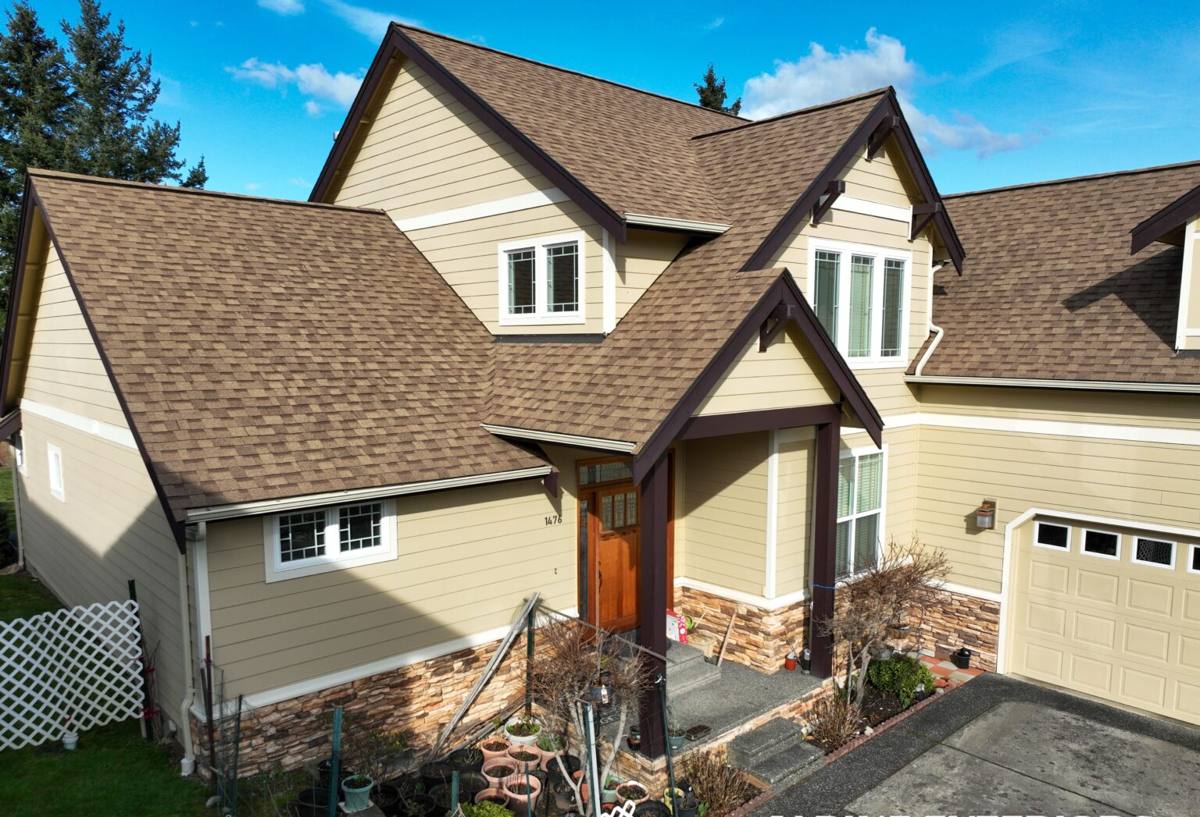
What Salt Air, Driving Rain, and Moss Season Do to Windows
Salt Air and Corrosion
Even a few miles inland from Bellingham Bay, airborne salt finds its way onto exterior surfaces. Over years, it accelerates corrosion on cheaper window hardware — hinges, locks, balance systems, and screen frames — and it degrades some finishes faster than manufacturers' warranties assume for a "typical" climate. Windows with marine-grade or corrosion-resistant hardware hold up noticeably better here than standard inland-spec units.
Wind-Driven Rain
Rain in this area rarely falls straight down. Wind pushes it sideways into wall assemblies, which means the water management details around a window — the sill pan, the head flashing, the way house wrap is lapped and sealed — matter as much as the window unit itself. A well-built window installed without proper flashing will still leak. We've opened up more than a few walls where the window was fine but the installation around it wasn't.
Moss, Mildew, and Prolonged Dampness
Whatcom County's moss season is long, and it's not limited to roofs. Damp, shaded areas around window frames — especially on north-facing walls or under eaves that don't get much sun — stay wet longer and are more prone to organic growth and slow wood decay. Composite and vinyl frames resist this better than bare wood, and proper drainage details keep water from sitting against the frame in the first place.
Signs Cordata Homeowners Should Watch For
- Visible condensation or fogging between panes of double-glazed glass (a sign the seal has failed)
- Cold drafts near the window frame even when it's fully latched
- Soft or discolored wood on the interior or exterior sill
- Difficulty opening, closing, or locking a window that used to operate smoothly
- Visible gaps, cracked caulking, or peeling paint around the frame
- Noticeably higher heating bills in the coldest months compared to similar-sized homes
- Green or black staining on the frame or nearby siding, especially on shaded elevations
What Actually Makes a Window "Energy-Efficient" Here
Energy Star ratings and NFRC labels are a starting point, but in a marine climate like Bellingham's, a few specific factors matter more than they would in a drier, more temperature-extreme region.
| Factor | Why It Matters in Cordata |
|---|---|
| U-Factor (heat loss) | Lower is better for our long heating season; a tight U-Factor reduces the steady heat bleed through the glass and frame during our cool, overcast months. |
| Frame material | Vinyl and fiberglass resist moisture absorption and don't require repainting, which matters given how much rain the frame will see over its lifespan. |
| Sill pan and flashing details | Directly determines whether wind-driven rain gets managed or gets into the wall cavity behind the window. |
| Hardware corrosion resistance | Salt air degrades standard hardware faster; upgraded hardware holds up longer without sticking or corroding. |
| Weep system design | Needs to actively drain, not just sit open, given how many consecutive rainy days this area gets. |
| Glass package (Low-E, gas fill) | Helps hold indoor heat during our cold, wet winters and reduces cold-glass drafts near seating areas. |
Our Installation Process for This Area
1. On-Site Assessment
We look at each window opening individually — not every window on a Cordata home is facing the same exposure. A window on the weather side of the house dealing with direct wind-driven rain needs more attention to flashing and sealing than a sheltered window on a covered porch elevation.
2. Removal and Opening Inspection
Once the old window is out, we check the rough opening for hidden water damage, soft framing, or prior flashing that was done incorrectly. This is often where we find the real cause of a "drafty window" complaint — it's not always the window itself.
3. Sill Pan and Flashing
We install a sloped sill pan and integrate flashing with the existing house wrap or weather-resistive barrier so water is directed out and away from the framing, not trapped behind the new window.
4. Setting and Sealing the Window
The window is shimmed level and plumb, fastened per manufacturer specification, and sealed with an appropriate exterior sealant rated for our climate's constant moisture exposure — not a general-purpose caulk that will fail within a couple of seasons.
5. Interior and Exterior Finish
Trim, insulation around the frame gap, and interior finish work are completed, and we walk the homeowner through operation and basic maintenance before we consider the job done.
Frame Material Options
We install a range of frame materials depending on the home's style, budget, and exposure. Vinyl remains the most common choice for straightforward energy-efficiency upgrades because it doesn't need repainting and holds up well to sustained moisture. Fiberglass is a step up in dimensional stability and long-term durability, which some homeowners prefer for larger window openings or homes with heavier weather exposure. We generally steer homeowners away from bare wood exteriors in this climate unless they're prepared for regular maintenance — the combination of rain and moss-friendly shade here is hard on unprotected wood, and we'd rather set that expectation honestly upfront than have a homeowner surprised by maintenance costs a few years in.
Cost Factors for Cordata Window Projects
| Factor | How It Affects the Job |
|---|---|
| Number of windows | Whole-house replacements typically bring a better per-window cost than one-off replacements. |
| Window size and type | Large picture windows, bays, or custom shapes cost more than standard double-hung or slider units. |
| Frame material | Vinyl is generally the most budget-friendly; fiberglass and higher-end composites cost more upfront but can offer longer service life. |
| Extent of hidden damage | Rot or water damage found once the old window is removed adds repair time and material cost. |
| Exposure and flashing complexity | Windows on weather-side walls or under complicated rooflines take more time to flash and seal correctly. |
We give homeowners a clear, itemized estimate before any work starts, and we flag potential hidden-damage risk areas during the initial assessment so there are no surprises mid-project.
Why Hire a Crew That Already Works in Cordata
Window installation looks straightforward from the outside, but the details that keep a window performing well for fifteen or twenty years in this climate — sill pan design, flashing integration, sealant selection, hardware spec — are exactly the details that get skipped by installers who don't regularly deal with sustained coastal rain and salt exposure. A crew that works Bellingham and greater Whatcom County regularly has already seen how local homes respond to a full wet season, and builds installations accordingly rather than following a generic checklist written for a different climate.
We also know the practical side of working in this neighborhood — typical home ages and construction types in the area, common existing window brands and their known failure points, and how to sequence work around our unpredictable weather windows so openings aren't left exposed longer than necessary.
Maintenance That Extends Window Life Here
- Rinse frames and tracks periodically to clear salt residue and organic buildup
- Inspect exterior caulking annually and re-seal any cracked or gapped sections before winter
- Keep weep holes clear of debris, moss, and dirt so drainage systems work as designed
- Check for soft spots in exterior trim or sills each fall
- Operate hardware periodically in winter months to prevent stiffness or corrosion buildup
Get an Honest Estimate
If your windows in Cordata are drafty, fogged, sticking, or just past their service life, we're happy to take a look and give you a straightforward assessment of what's actually going on — no pressure, no upsell on work that isn't needed. Reach out for a free estimate and we'll walk your home's specific exposure and window condition with you in person.